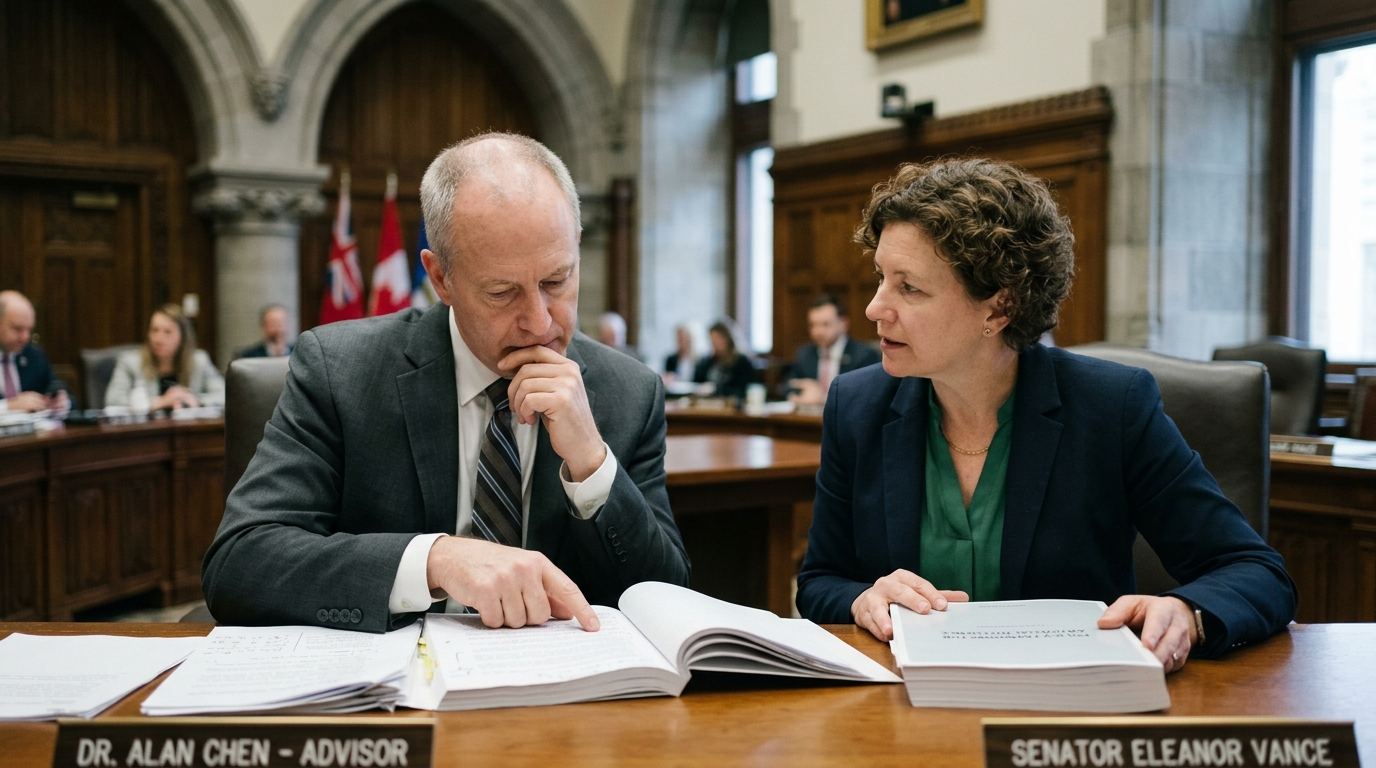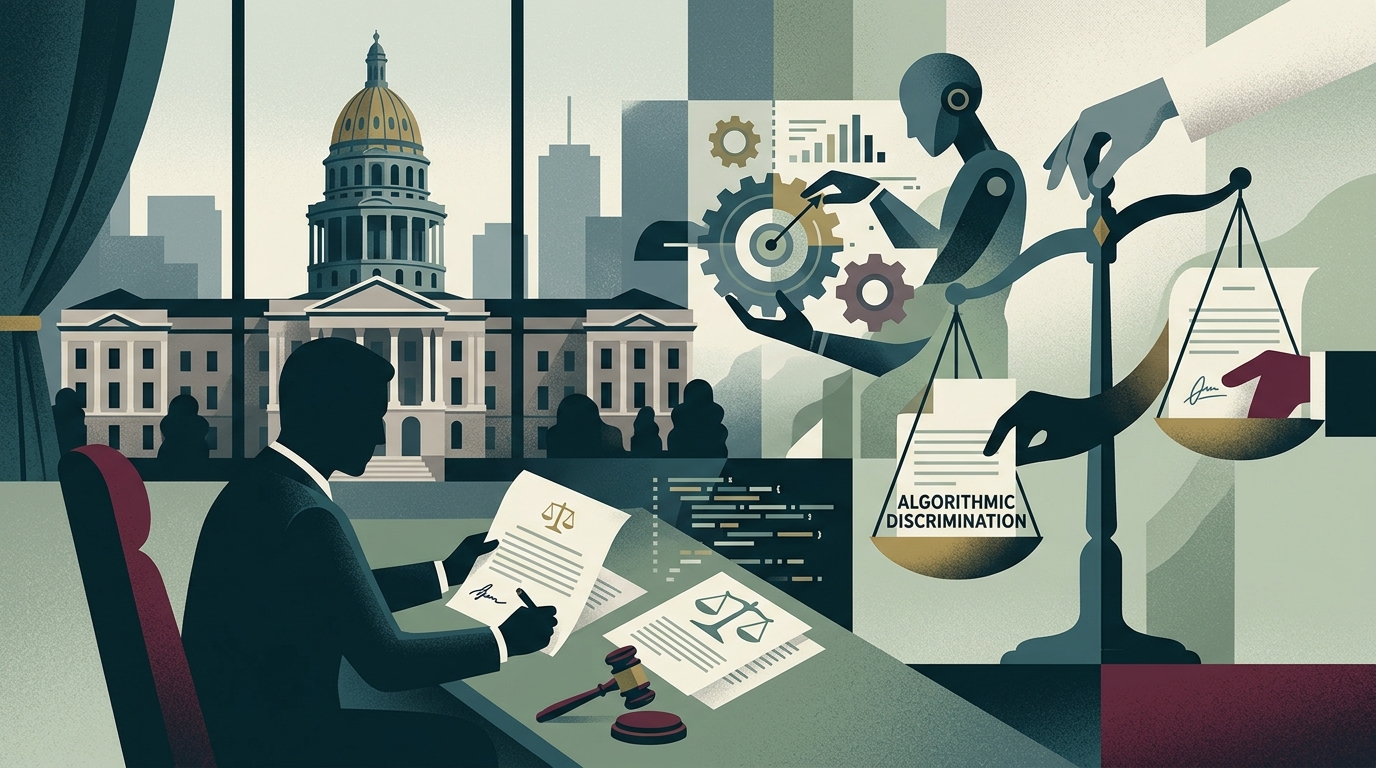
In a landmark move that signals a turning point for artificial intelligence governance in the United States, Colorado Governor Jared Polis has signed Senate Bill 24-205 into law. This legislation marks the first comprehensive state-level effort to regulate high-risk AI systems, establishing a legal framework designed to prevent algorithmic discrimination in critical areas of public life. The law moves beyond theoretical ethics, imposing concrete obligations on developers and users of AI technology.
Defining High-Risk AI and Algorithmic Discrimination
At the heart of SB24-205 is the concept of "high-risk" AI systems. These are defined as technologies used to make or be a substantial factor in making consequential decisions. The scope is broad, covering sectors such as education, employment, financial services, healthcare, housing, and legal services. The primary objective is to eliminate "algorithmic discrimination"—decisions that result in unlawful differential treatment based on protected characteristics like race, religion, age, or disability.
Under the new law, developers of high-risk systems must provide deployers (the businesses using the tech) with detailed information regarding the system's capabilities and limitations. In turn, deployers are required to implement risk management programs and conduct annual impact assessments. This creates a chain of accountability intended to ensure that bias is identified and mitigated before it can cause systemic harm to individuals or communities.
The Governor’s Balancing Act: Innovation vs. Regulation
Governor Polis’s decision to sign the bill was accompanied by a nuanced signing statement that reflected the complexities of tech regulation. While acknowledging the need for consumer protection, Polis expressed concern that a state-by-state approach could create a "patchwork" of conflicting rules. He cautioned that such fragmentation might hinder the growth of the AI industry within Colorado and called for a unified federal standard to provide clarity for businesses operating across state lines.
Industry groups have echoed these concerns, arguing that the compliance burden—particularly for smaller startups—could be prohibitive. There is also ongoing debate regarding the technical feasibility of some requirements, such as the ability to perfectly audit complex neural networks for every possible form of bias. However, proponents of the law argue that the risks of inaction—ranging from biased hiring practices to discriminatory loan approvals—far outweigh the costs of compliance.
Enforcement and the Path Forward
Significantly, SB24-205 does not grant individuals a private right of action. Instead, enforcement power is vested exclusively in the Colorado Attorney General. This decision was a key point of negotiation, intended to prevent a flood of litigation while still ensuring that the law has teeth. Companies that self-disclose and correct issues may find a "safe harbor" from some penalties, encouraging a collaborative rather than purely adversarial relationship between regulators and the private sector.
The law is set to take full effect in 2026, providing a two-year window for businesses to align their operations with the new requirements. During this period, the Colorado Attorney General’s office is expected to engage in further rulemaking to clarify the technical standards of the bill. As the first state to cross this legislative finish line, Colorado has positioned itself as a laboratory for AI policy, with other states and even federal lawmakers watching closely to see how the implementation unfolds.
"This bill represents a significant step toward ensuring that AI is used responsibly, but we must remain vigilant to ensure we don't inadvertently stifle the very innovation that drives our economy." — Governor Jared Polis
As we move toward 2026, the success of Colorado’s experiment will depend on the balance between rigorous oversight and the flexibility needed for technological evolution. For now, the message is clear: the era of unregulated AI in high-stakes decision-making is coming to an end in the Centennial State.