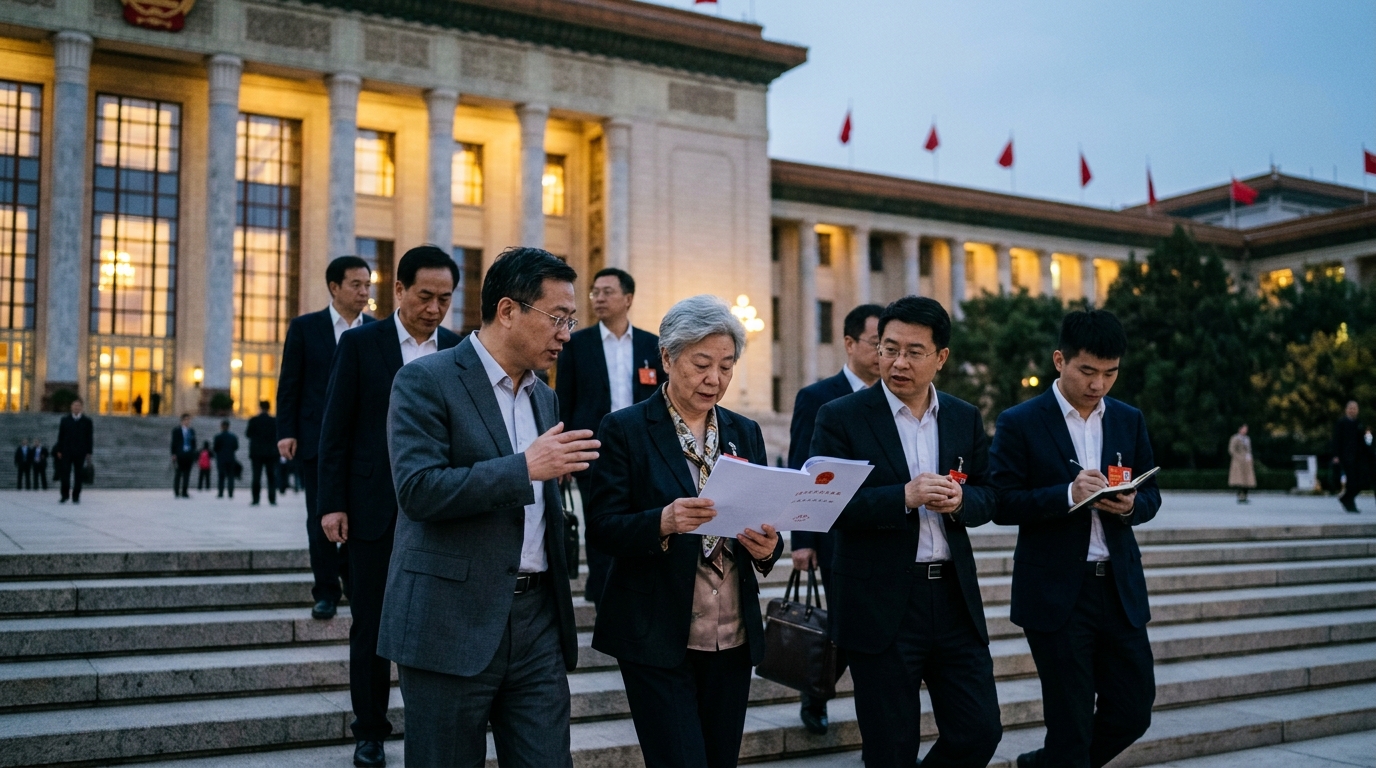
In a move poised to reshape the landscape of global technological power, China has announced the comprehensive integration of Artificial Intelligence (AI) across all levels of its education system. The initiative, a central pillar of President Xi Jinping’s strategy to develop "new quality productive forces," is not merely about teaching coding; it represents a holistic overhaul of how students perceive and interact with technology from their earliest years.
Xi’s Strategic Vision for Technological Autonomy
The announcement, delivered via a joint statement from the Ministry of Education and the State Development and Reform Commission, outlines a future where AI is not an elective subject but a fundamental tool for teaching and a core subject of study from kindergarten to PhD levels. Analysts suggest this move is Beijing’s definitive answer to US-led restrictions on advanced chips and technical expertise. By investing heavily in human capital, China aims to cultivate a generation of "AI natives" capable of innovating independently of Western pressures.
The plan mandates the introduction of basic algorithmic thinking in early primary school, while middle and high school students will tackle AI ethics, machine learning, and big data analysis. At the university level, China intends to double the number of AI research labs, creating a seamless pipeline between academic inquiry and industrial application.
Infrastructure and Digital Transformation
To realize this gargantuan ambition, the Chinese government is mobilizing massive investments in computing power specifically earmarked for educational institutions. The goal is for every school, even in the most remote rural areas, to have access to AI platforms acting as "personal teaching assistants." These systems will tailor educational content to individual student needs, identifying gaps in knowledge and suggesting personalized exercises in real-time.
- Establishment of 500 new AI centers of excellence in universities.
- Training over 2 million teachers in AI technologies by 2027.
- Development of domestic Large Language Models (LLMs) tailored to the Chinese curriculum.
However, the primary challenge remains the quality of instruction. Moving from traditional rote learning to the critical analysis of algorithms requires a radical shift in the mindset of educators, many of whom are being asked to teach subjects they are only beginning to grasp themselves.
Geopolitical Stakes and Ethical Dilemmas
This aggressive push has not gone unnoticed in the West. While the US and Europe are still debating the regulatory frameworks for AI in classrooms, China is moving toward a full-scale deployment. This creates the risk of a global "educational gap." Simultaneously, serious questions arise regarding student data privacy and the use of AI to reinforce state ideology. AI educational models in China are programmed to align with "socialist core values," meaning the knowledge provided will be strictly filtered through a state-approved lens.
"This is not just about education; it is about building a national infrastructure of intelligence that will sustain our economy for decades to come," a senior official from the Ministry of Education in Beijing remarked.
Ultimately, the success of this endeavor will depend on whether China can reconcile strict state control with the intellectual freedom required for creative innovation. If successful, the global balance of power in the 21st century may tilt decisively toward the East.