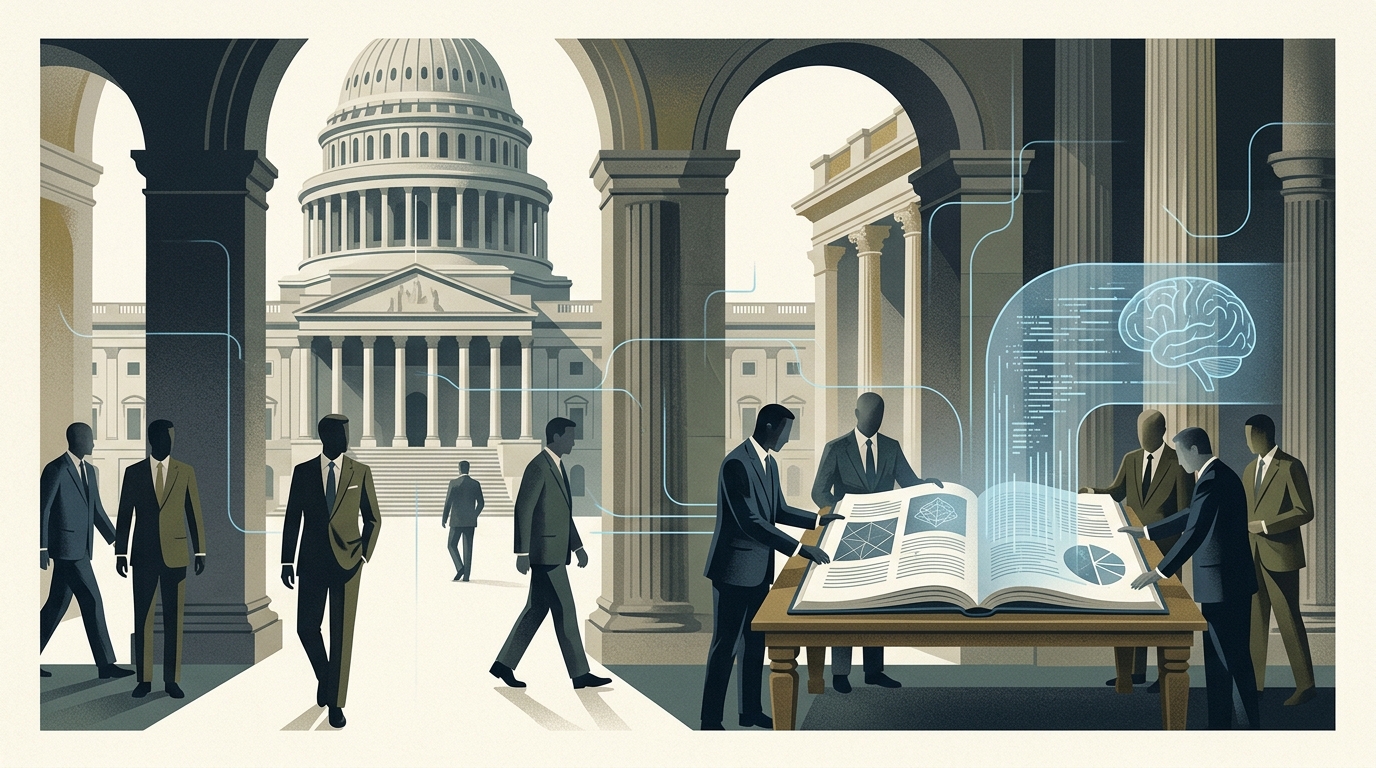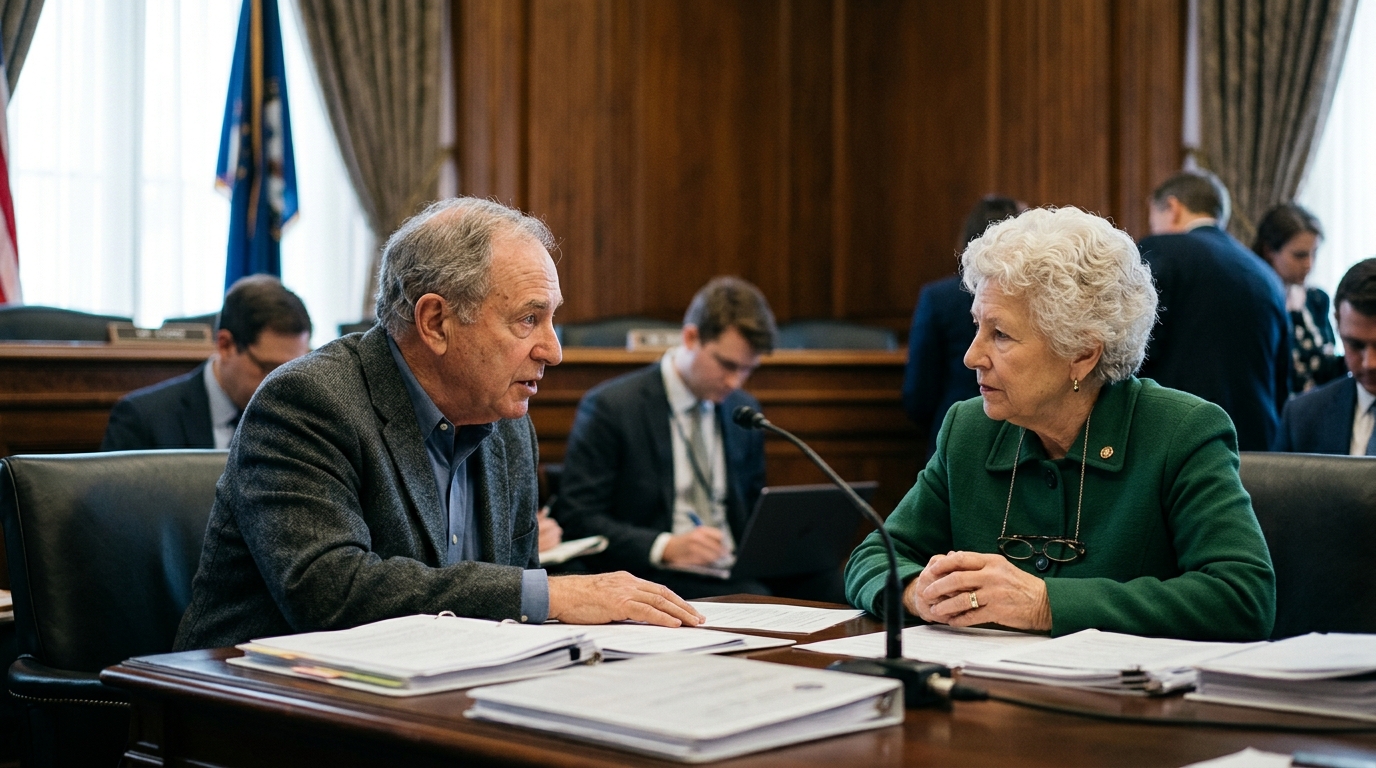
In a rare display of bipartisan cooperation in Washington, lawmakers have introduced a bill aimed at launching a comprehensive federal study on the impact of Artificial Intelligence (AI) on older Americans. As technology advances at an exponential rate, the senior population finds itself at the intersection of a dual challenge: they are primary targets for sophisticated scams and, simultaneously, the potential greatest beneficiaries of innovations in telemedicine and independent living.
The Deepfake Threat and Financial Exploitation
The primary driver behind this legislative push is the rapid surge in fraud incidents utilizing Generative AI. Cybercriminals are now using voice cloning technology to mimic the voices of grandchildren or relatives, requesting urgent financial assistance from unsuspecting seniors. These "grandparent scams," as they have come to be known, have become terrifyingly convincing, rendering traditional warning methods obsolete.
The bill mandates that the Department of Commerce, in collaboration with other federal agencies, assess how AI facilitates these attacks. The study will also examine how algorithms might introduce bias against the elderly in sectors such as health insurance, credit scoring, and housing access. The goal is not just to document these issues but to create a protective framework that allows seniors to navigate the digital environment without the fear of financial ruin.
Artificial Intelligence as an Ally in Longevity
Despite the risks, proponents of the bill emphasize that AI is not merely a threat. In the healthcare sector, AI systems can function as vigilant guardians. From sensors that detect falls in real-time without the need for cameras to algorithms that analyze sleep patterns and medication adherence to prevent complications, the technology promises to extend independent living.
"We cannot allow our seniors to be left behind in the digital revolution. We must ensure that AI works for them and not against them," stated one of the bill's sponsors.
The federal study will explore how AI can combat loneliness—one of the most significant issues facing the elderly—through social robots and personalized communication interfaces. AI's ability to simplify complex bureaucratic processes (such as Medicare in the US) could also reduce the cognitive load and anxiety often associated with managing health and finances in later life.
The Digital Divide and the Need for Literacy
A critical aspect of the proposed legislation is addressing the digital divide. Many older adults lack the fundamental digital skills required to identify AI-generated content. The bill suggests the creation of educational programs tailored to the needs of individuals over the age of 65.
Furthermore, the issue of ethical data use is paramount. Seniors are often considered a "vulnerable population" regarding privacy protection. The study will investigate whether tech companies are disproportionately collecting data from health monitoring devices and how this data is used to build profiles that could lead to social exclusion or increased insurance premiums.
Conclusion: A Policy for the Future
This move reflects a growing awareness that AI regulation cannot be one-size-fits-all. Specialized approaches are needed for different social groups. As the global population ages, the success of this bill in the US could serve as a blueprint for the European Union and other developed economies. The challenge lies in finding the middle ground: protecting seniors from technological abuse without depriving them of the revolutionary benefits AI can offer to their quality of life.