In early 2026, the relationship between Artificial Intelligence (AI) and Intellectual Property (IP) remains one of the most complex and contentious aspects of the digital revolution. While the previous year was dominated by lawsuits from artists against companies training AI models, a new trend is emerging: the use of the technology itself to crack down on copyright infringement. Recent developments in Vietnam—a country traditionally facing significant digital piracy challenges—highlight how algorithms are becoming the new "digital sheriffs" of the internet.
Technological Superiority Over Traditional Piracy
Traditional copyright enforcement relied for decades on manual reporting and DMCA-style legal notices. However, the sheer volume of data circulating today makes this method obsolete. New platforms integrating AI utilize advanced digital fingerprinting and watermarking techniques that are practically invisible to the human eye but easily detectable by algorithms.
These systems go beyond simple file comparison. They employ neural networks to identify the "style," structure, and content of a work, even if it has been edited, distorted, or embedded within other material. For example, if a YouTube video includes a short clip from a film that has been color-graded differently, AI can identify it in milliseconds—a task that would take hours of human labor.
The Vietnam Case and Global Implications
The case of Vietnam is indicative of this paradigm shift. With a rapidly growing digital economy, the country has decided to invest in AI tools to protect domestic content production. This move is not just a law enforcement effort but a strategic choice to attract foreign investment. Global entertainment giants are hesitant to enter markets where piracy is rampant. The use of AI provides a guarantee that intellectual property will be treated with the seriousness required by the modern economy.
- 24/7 automated monitoring across all social platforms.
- Immediate content takedowns without the need for initial judicial intervention.
- Pattern analysis to identify organized piracy networks.
The Risks of "Algorithmic Censorship"
Despite the benefits, the transition to an era where AI polices content carries risks. The primary concern for legal experts and digital rights advocates is the stifling of "fair use." Satire, criticism, and educational use of material are often misinterpreted by algorithms as violations, leading to automatic deletions of content that is perfectly legal.
"Artificial Intelligence lacks a sense of context. It can recognize an image, but it cannot understand if that image is being used for political critique or to steal the creator's revenue," note digital rights analysts.
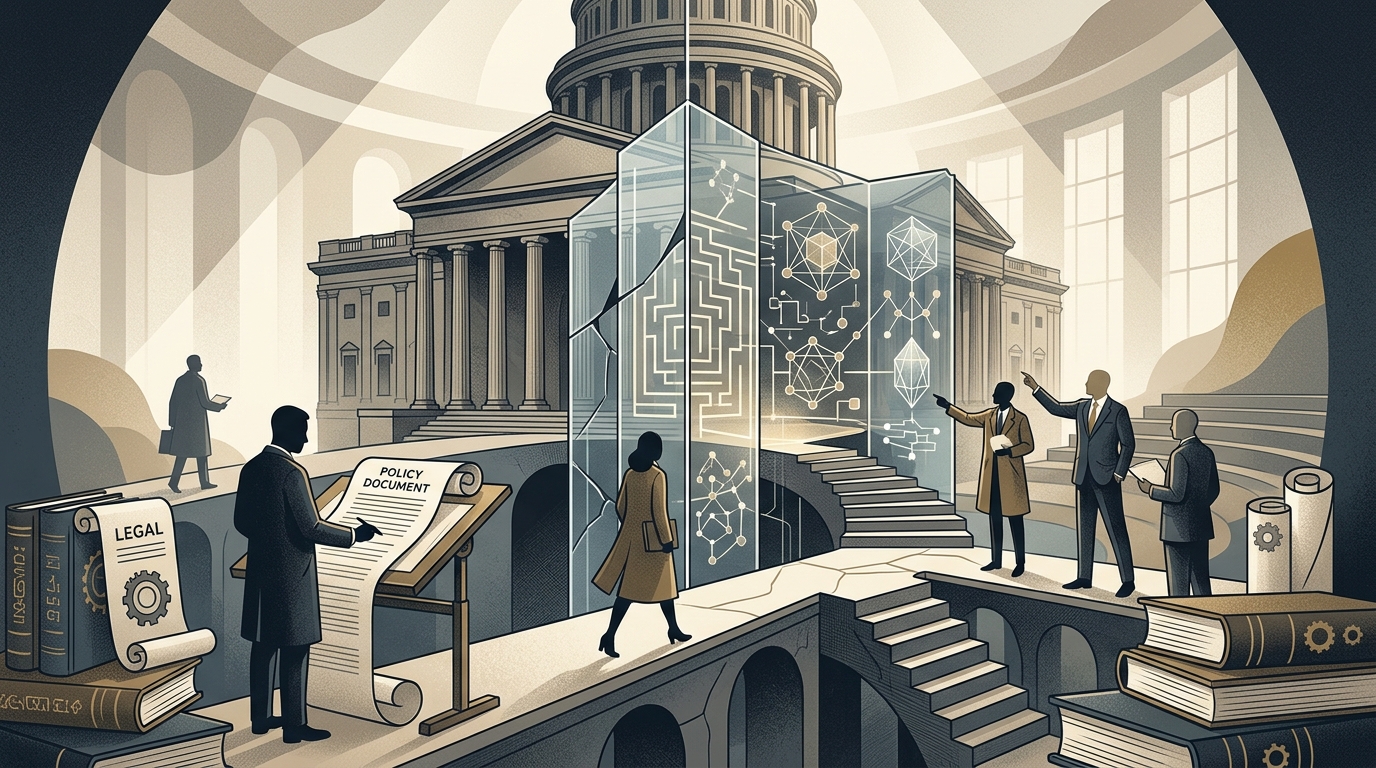
The challenge for 2026 and beyond will be the creation of "hybrid" systems, where the speed of AI is combined with human judgment in ambiguous cases. The European Union, through the AI Act, is already laying the groundwork for transparency in these systems, requiring platforms to provide clear appeal mechanisms for users.
Conclusion: Towards a New Social Contract
The use of AI in combating piracy is inevitable. In a world where content is produced and consumed at the speed of light, only an equally fast technology can offer protection. However, the effectiveness of these tools must not come at the expense of freedom of expression. The goal is to create a digital environment where the creator is fairly compensated, but the citizen remains free to create, be inspired, and criticize.