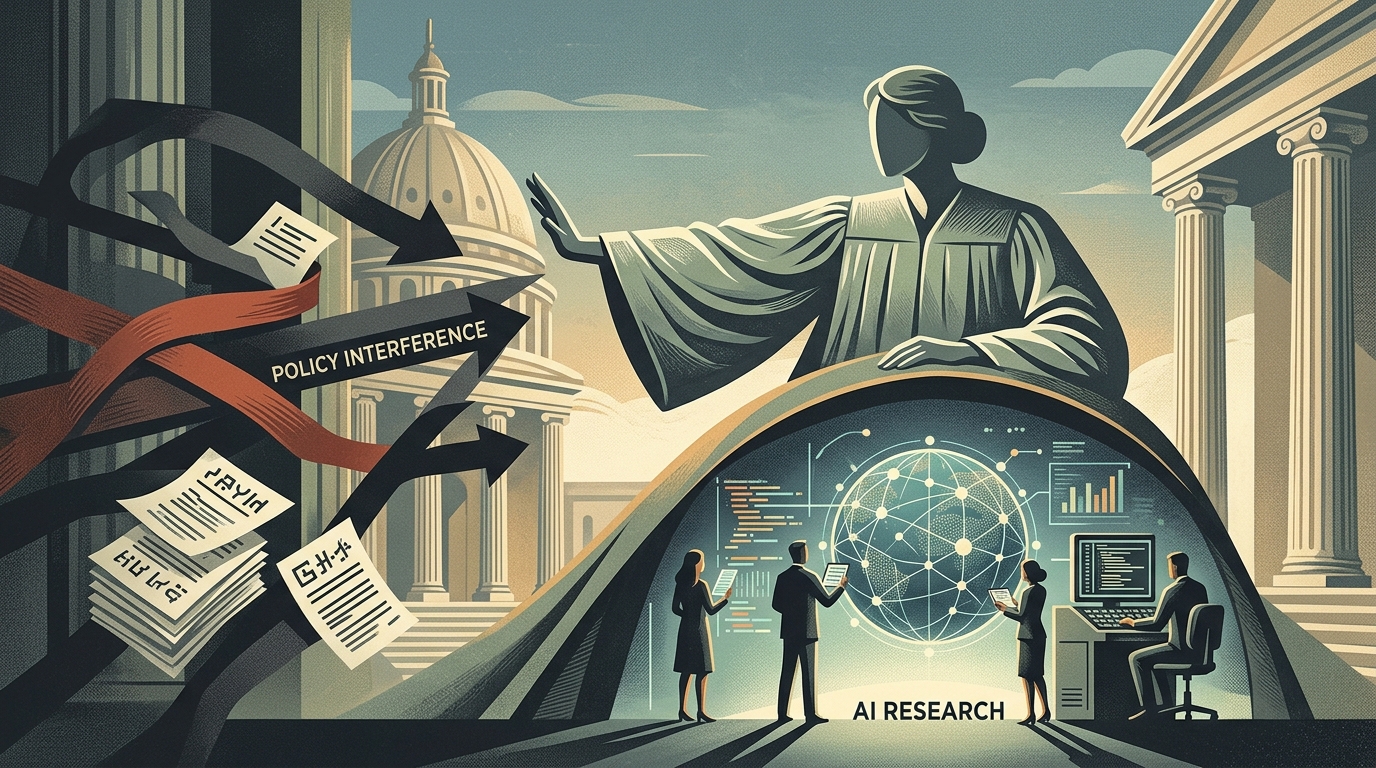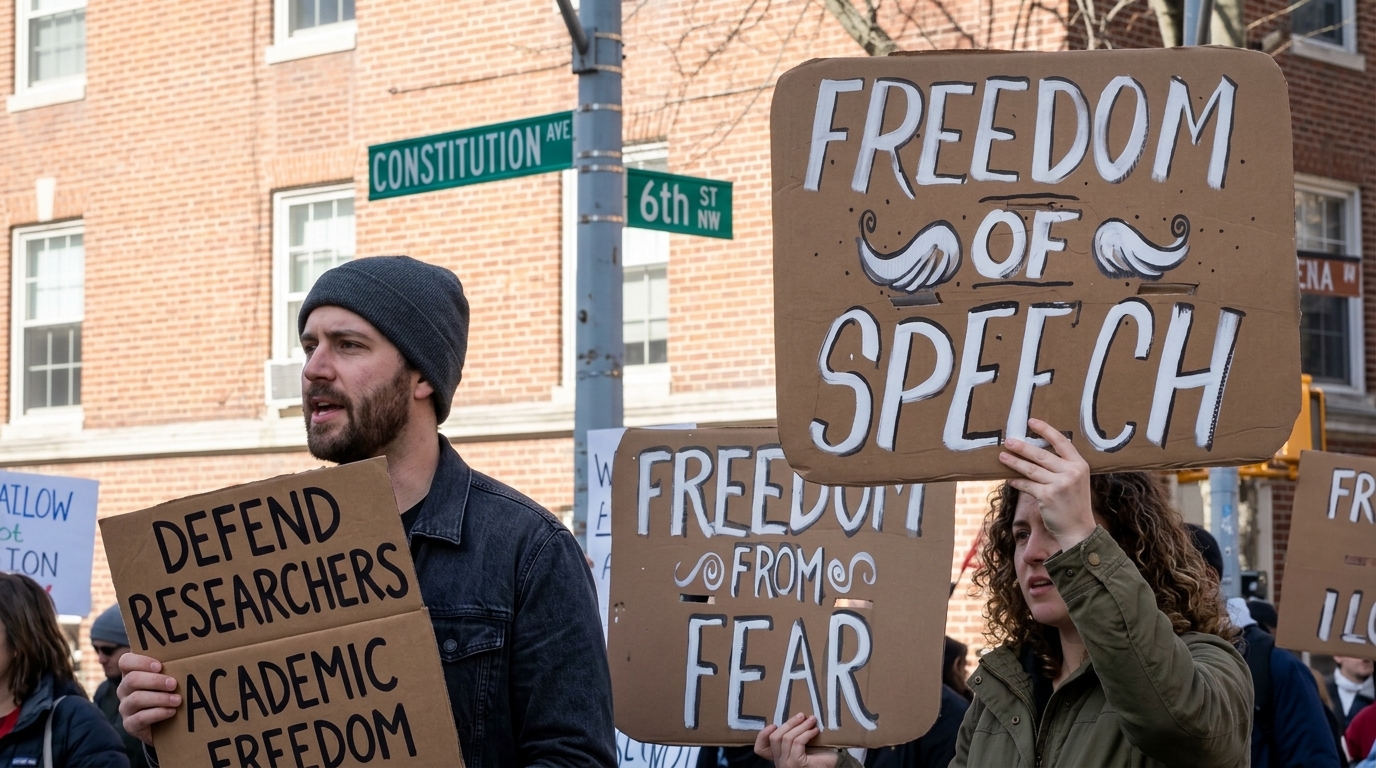
In the heart of Arizona, within the Phoenix community of Ahwatukee, a new technological application has turned quiet suburban streets into a battlefield for digital rights. Homeowners Associations (HOAs), which traditionally manage neighborhood commons, have begun deploying Artificial Intelligence systems for parking enforcement, sparking a controversy that transcends local boundaries.
The Automation of Neighborhood Policing
The system implemented relies on high-definition cameras equipped with Automated License Plate Recognition (ALPR) software and algorithms that identify violations in real-time. If a vehicle remains parked in a restricted zone or exceeds the time limit set by HOA regulations, the AI logs the event and automatically issues a fine notification. The need for a human inspector to walk the neighborhood with a clipboard is gone; the digital eye is vigilant 24/7.
Proponents of this technology argue that AI ensures objectivity and fairness. "Rules are rules," say board members, emphasizing that automation eliminates personal bias or favoritism that often poisons neighborly relations. However, Ahwatukee residents have a different perspective. Many feel they are living under a state of constant surveillance, where every movement is analyzed by an algorithm that lacks human judgment and situational context.
Privacy Concerns and the Legal Gray Zone
The Ahwatukee dispute highlights a broader legal challenge. In the United States, HOAs often function as "shadow governments" with extensive powers derived from private contracts. However, the use of advanced surveillance technology touches the boundaries of constitutional privacy protections. Residents are questioning where their license plate data is stored, who has access to it, and whether an HOA has the right to transform public or private streets into a surveillance network.
Furthermore, the reliability of AI systems is being called into question. There are reports of plate-reading errors due to poor lighting or weather conditions, leading to unjust fines. The appeals process is often cumbersome and bureaucratic, leaving citizens facing a "black box" of decision-making. The lack of transparency regarding how the algorithm operates creates a sense of injustice that undermines trust in local governance.
Social Implications: The Erosion of Community
Beyond the legal and technical aspects, the introduction of AI into daily coexistence has profound social implications. The traditional neighborhood has always relied on an informal social contract: the ability of people to talk, disagree, and ultimately compromise. Automated enforcement removes this human element. When a fine arrives in your inbox because you were ten minutes late moving your car while unloading groceries, the sense of community is replaced by a sense of punitive discipline.
This shift toward "algo-governance" suggests a future where suburban life is optimized for efficiency at the expense of empathy. While technology can solve the problem of illegal parking, it may inadvertently create a larger problem: a climate of fear and resentment. The Ahwatukee case serves as a warning of what happens when technological efficiency is prioritized over social harmony and the messy, human reality of living together.
Conclusion: Toward Balanced Governance
The solution to the Ahwatukee controversy is not the outright rejection of technology, but the establishment of strict ethical rules and transparency. Homeowners Associations must understand that AI is a tool, not a replacement for human judgment. Its use should be limited to serious violations affecting safety, rather than being used as a revenue-generating machine through exhaustive fines. The challenge for the future is to find the middle ground between the order imposed by code and the freedom required for human life.