As the world turns its gaze toward North America for the 2026 FIFA World Cup, an unexpected byproduct is emerging across the 16 host cities: the triumphant return of remote work. After two years of intense pressure from global CEOs to enforce Return to Office (RTO) mandates, the harsh reality of infrastructure limitations and traffic congestion is forcing corporate giants to retreat. The 2026 World Cup, the largest in history with 48 teams, is no longer just a sporting spectacle; it has become a massive experiment in urban resilience, highlighting remote work as the only effective tool for crisis management.
The Logistical Challenge of a 'Giant'
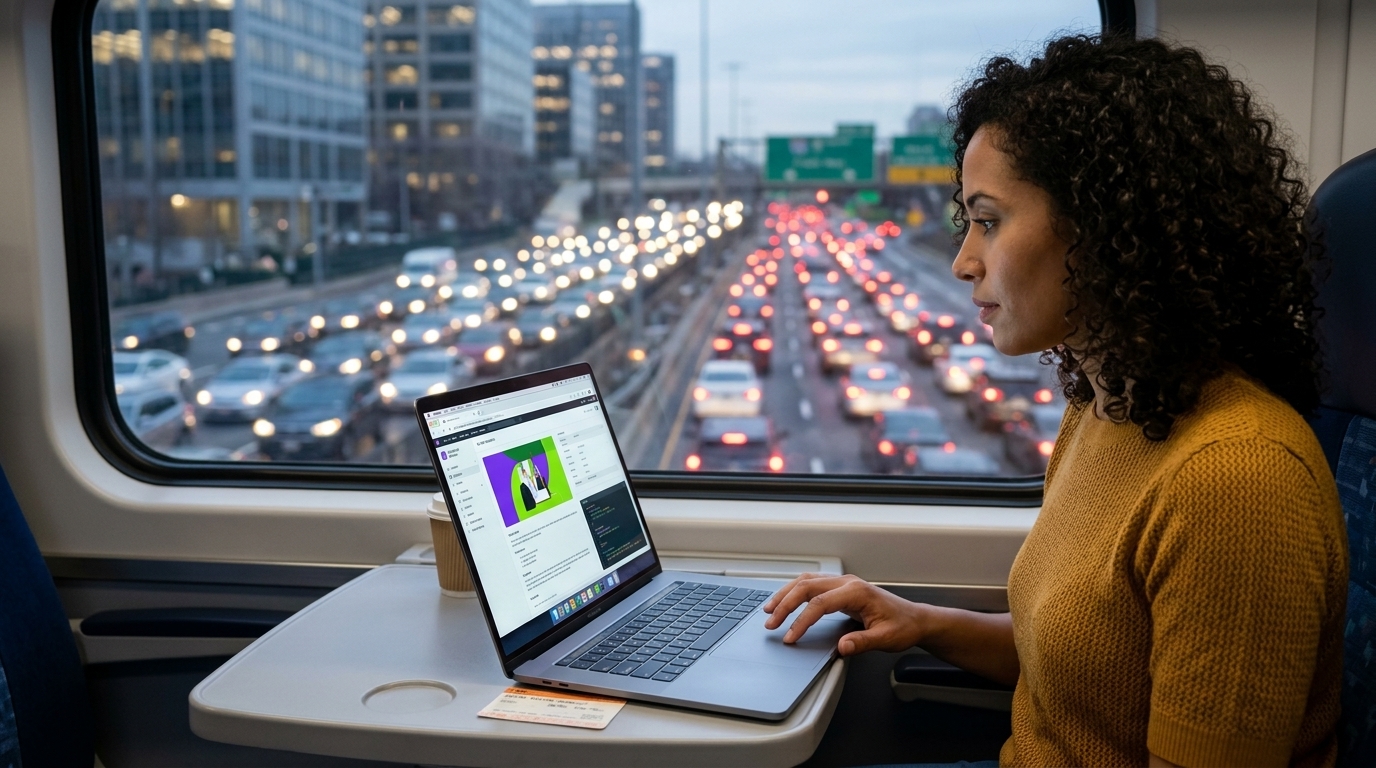
The 2026 tournament spans three nations—the USA, Canada, and Mexico—covering thousands of miles. However, the primary concern isn't the flights between nations, but the daily commute within urban centers. Cities like New York, Los Angeles, Toronto, and Mexico City are already at their breaking point regarding traffic saturation. The influx of millions of fans, team delegations, and stringent security measures creates an explosive logistical cocktail. Host city authorities have warned that commuting times could triple, making access to Central Business Districts (CBDs) practically impossible for employees.
According to transportation analysts, the 'exclusion zones' around stadiums and Fan Zones directly impact the arteries leading to the offices of major banks and tech firms. For instance, in Manhattan and New Jersey, commuting through tunnels and bridges is expected to see delays reminiscent of the worst transit strikes. In this context, remote work is no longer being suggested as a 'perk,' but as a business necessity to ensure continued productivity during the month-long event.
Corporate Pivot: From Mandates to Flexibility
It is profoundly ironic that many of the companies that led the charge in abolishing remote work are the same ones now issuing 'Work from Home' directives for the duration of the World Cup. Goldman Sachs, JPMorgan, and major tech firms in California appear to be adopting temporary full-remote models for match days. The rationale is simple: if an employee needs three hours to reach the office and another three to return, the exhaustion and loss of billable hours cost the company far more than any perceived lack of in-person collaboration.
- Temporary suspension of RTO mandates in affected metropolitan areas.
- Increased investment in digital infrastructure to prevent system crashes due to high demand.
- Coordinated agreements with local governments to reduce workforce-related road traffic during peak hours.
This shift underscores a deeper truth about modern work: physical presence is vulnerable to external factors. The World Cup acts as a catalyst, proving that digital infrastructure is more resilient than concrete. Companies that maintained hybrid models adapted within hours, while those that had dismantled their remote work culture found themselves in a state of panic, scrambling to reinstate VPN licenses and security protocols.
Lessons from London and Qatar
History has shown that mega-sporting events change how we work. During the London 2012 Olympics, the UK government encouraged remote work, a move considered radical at the time. The result was a permanent shift in the mindset of many British businesses. Similarly, in Qatar 2022, the public sector moved almost entirely to home-based work to facilitate fan movement.
"It's not just about football. It's about a test of urban intelligence. If a city cannot function during an event, then the work must move to where the connection is, not where the office is," says an urban development analyst.
In the 2026 World Cup, the scale is tenfold. The pressure on public transport will be unprecedented. In Los Angeles, a city built around the car, closing major arteries for FIFA requirements could paralyze the regional economy if remote work weren't an option. Thus, the 'Beautiful Game' has unwittingly become the guardian of labor flexibility.
Conclusions for the Future
What happens when the stadium lights dim and the fans return home? The 2026 experience is expected to leave a bittersweet taste for corporate leadership. On one hand, they will have proven that remote work functions perfectly under pressure, debunking arguments against productivity. On the other hand, returning to the 'normalcy' of the office will seem even more arbitrary to employees who enjoyed a month free from the misery of gridlock.
The 2026 World Cup may be the final seal of confirmation that the future of work is asynchronous and geographically independent. AI technology and advanced collaboration tools developed over recent years make the necessity of daily commuting to overcrowded city centers not just anachronistic, but economically detrimental. The biggest win of 2026 might not be recorded on the pitch, but in the living rooms of workers who continued to generate value while the world around them was stuck in traffic.