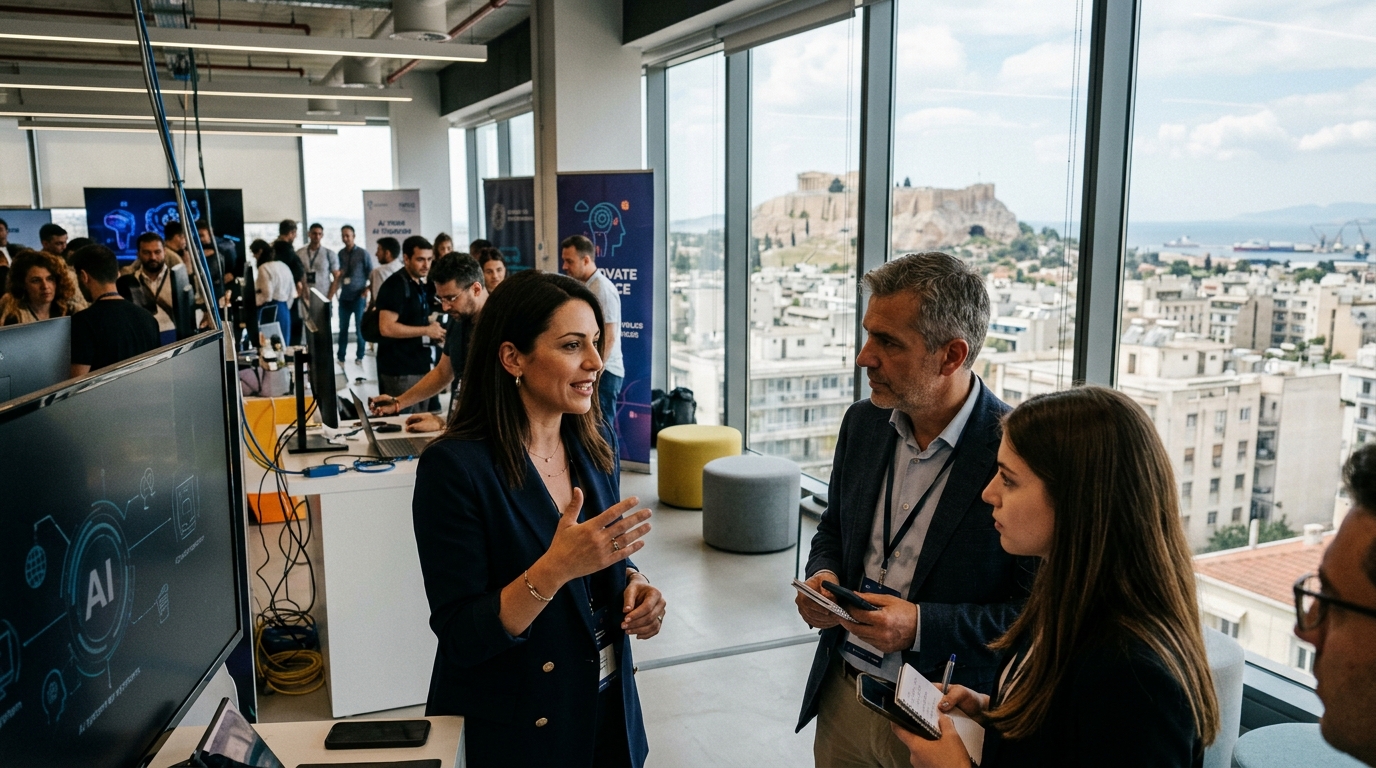
In the heart of Thessaly, Volos and the broader Pelion region are no longer just destinations of unparalleled natural beauty and gastronomic tradition; they are evolving into a living laboratory for digital innovation. The integration of Artificial Intelligence (AI) into Magnesia's tourism sector is no longer a futuristic scenario but a reality reshaping the relationship between visitors and service providers. From automated reception desks to advanced energy management systems and personalized tour recommendations, technology is providing the tools for a more efficient, sustainable, and attractive tourism offering.
The Personalization Revolution and the Digital Front Desk
A traveler's contact with a destination now begins long before they arrive at the port of Volos or the mountain villages of Pelion. AI systems allow tourism businesses to analyze vast amounts of data to understand their customers' preferences. Next-generation chatbots and booking systems don’t just answer standard questions; they can suggest specific activities—such as a hike on the Centaurs' Path or a visit to a particular tsipouradiko—based on the user's profile and previous choices.
In Volos' hotels, the 'smart reception' reduces waiting times and allows staff to focus on meaningful hospitality rather than paperwork. The use of AI in reservation management enables dynamic pricing, helping hoteliers optimize their revenue based on demand, weather, or even local events, while maintaining competitive prices for the consumer.
Sustainability and Resource Management: Magnesia's Big Bet
Following the challenges the region faced from extreme weather events in previous years, the need for sustainable management is more urgent than ever. Artificial Intelligence plays a crucial role here, offering solutions for the 'green' transition of tourism units. Smart Building Management Systems (BMS) use algorithms to regulate lighting, heating, and air conditioning based on occupancy and external conditions, reducing the energy footprint by up to 30%.
Furthermore, data analytics can assist local authorities in managing tourism flows. By predicting visitor arrivals at popular spots like Makrinitsa or the beaches of Eastern Pelion, overtourism and infrastructure strain can be avoided, ensuring a high-quality experience for the tourist and protecting the environment for the residents.
The Challenge of the Human Touch in the Digital Age
Despite the undeniable benefits, the transition to the AI era brings concerns. Tourism is a preeminently human-centric industry, and in Greece, 'xenia' (hospitality) is intertwined with personal contact. The risk of alienation is real if technology is used as a substitute for, rather than an aid to, human service. Entrepreneurs in Volos are called to find the golden mean: to use AI to eliminate repetitive tasks, allowing more time for the authentic hospitality that defines the region.
- Training staff in new technologies.
- Ensuring the protection of visitors' personal data.
- Investing in high-speed infrastructure (5G/Fiber) throughout Magnesia.
- Collaboration between the public and private sectors for a unified digital strategy.
In conclusion, Volos and Pelion stand before a unique opportunity. Adopting Artificial Intelligence is not just about following a trend; it is a strategic choice for survival and growth in a globally competitive landscape. If the region manages to combine technological excellence with its traditional identity, it could serve as a model for a 'smart' and sustainable destination for the entire Mediterranean.