As we navigate the first half of 2026, the global discourse on Artificial Intelligence has undergone a fundamental shift. We have moved beyond the theoretical awe of Large Language Models and into the era of raw, practical application within the real economy. The recent "Practical AI 2026" initiative launched in Vietnam is not merely a regional milestone; it is a symptom of a broader global transformation: the democratization of AI talent production and the rise of new power centers that threaten to outpace traditional Western incumbents.
The Strategy of Functional Implementation
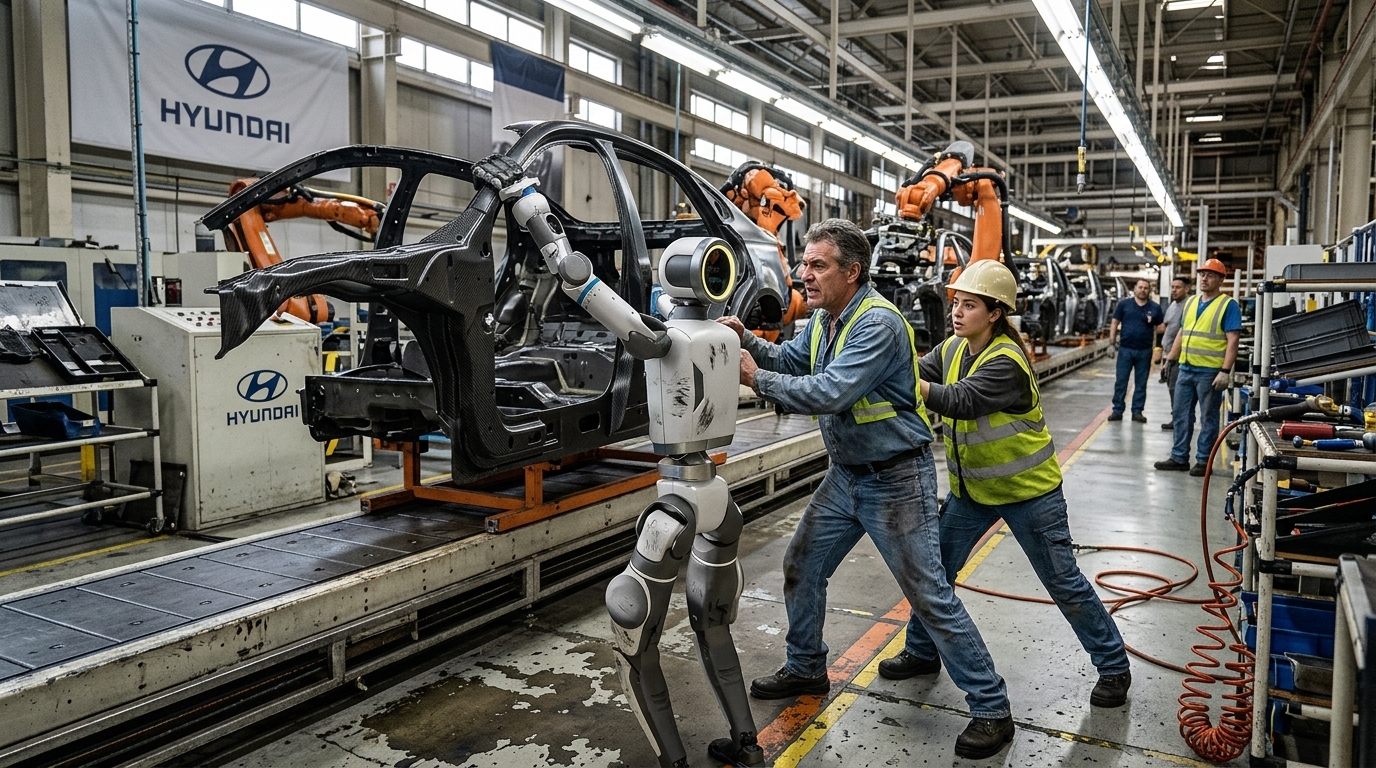
Vietnam, a nation traditionally viewed as a low-cost manufacturing hub, has systematically invested in upgrading its human capital. The "Practical AI 2026" program focuses on three core pillars: strengthening the local startup ecosystem, integrating AI into the global supply chain, and, most critically, cultivating specialized talent. Unlike the US, which focuses on compute power, or the EU, which is often bogged down in regulatory frameworks, the approach here is purely functional: how AI can increase productivity on the factory floor and in the fields today.
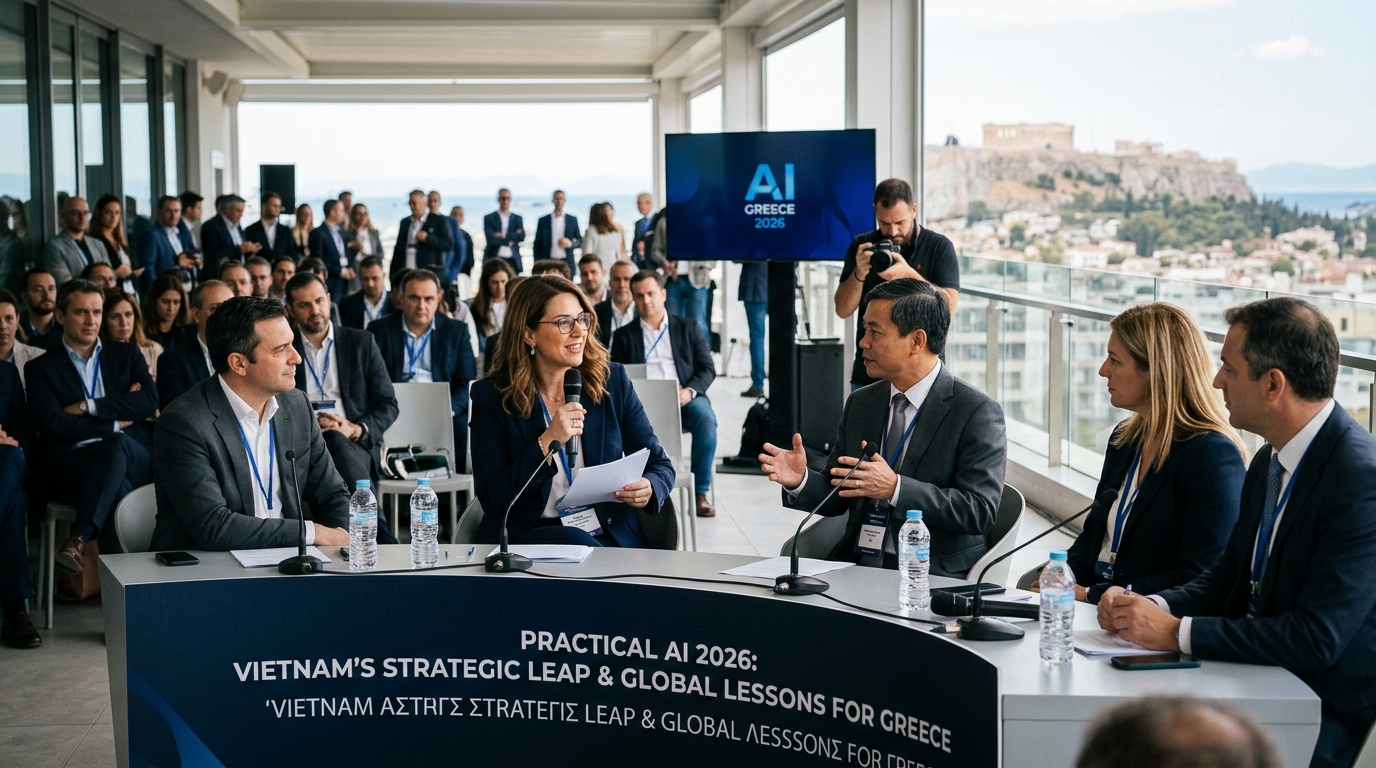
For nations like Greece, this case study is profoundly instructive. While Athens strives to position itself as a Mediterranean tech hub, the velocity at which emerging Asian economies are adopting "Practical AI" creates a palpable sense of urgency. Talent cultivation is no longer just about a computer science degree; it is about continuous upskilling in AI tools that can be utilized by engineers, accountants, and agricultural specialists alike.
Ecosystems and Partnerships: The 2026 Model
One of the most compelling aspects of the initiative is the tight-knit collaboration between the public sector and global tech titans. These are not merely equipment donations; they are joint research laboratories where local industrial data is used to train Vertical AI models. This model of "vertical" development allows countries with limited resources to dominate specific market niches.
- Creation of 'AI Sandboxes' for testing in real-world production environments.
- Incentives for the repatriation of diaspora scientists.
- A focus on Edge AI, which bypasses the need for the massive data centers controlled by Silicon Valley.
"Artificial Intelligence is no longer a privilege of the few, but the infrastructure of the many. Those who do not invest in practical talent today will be the consumers of others' solutions tomorrow," the initiative's organizers state.
Challenges and the Future of Global Talent
Despite the prevailing optimism, the path to universal AI adoption is fraught with challenges. "Digital colonialism" remains a persistent threat, as the underlying infrastructure—chips and cloud services—remains concentrated in a handful of corporations. However, the Vietnamese strategy demonstrates that knowledge and application can serve as a counterweight to a lack of physical resources. Greece, with its high caliber of scientific personnel, must ask itself: Can we transition from AI consumption to practical value creation?
In conclusion, "Practical AI 2026" serves as a global wake-up call. AI in 2026 is no longer "magic"; it is a utility. And like any utility, its value depends on the hand that wields it. Cultivating that "hand"—the talent—is the only viable path toward national sovereignty in the digital age.