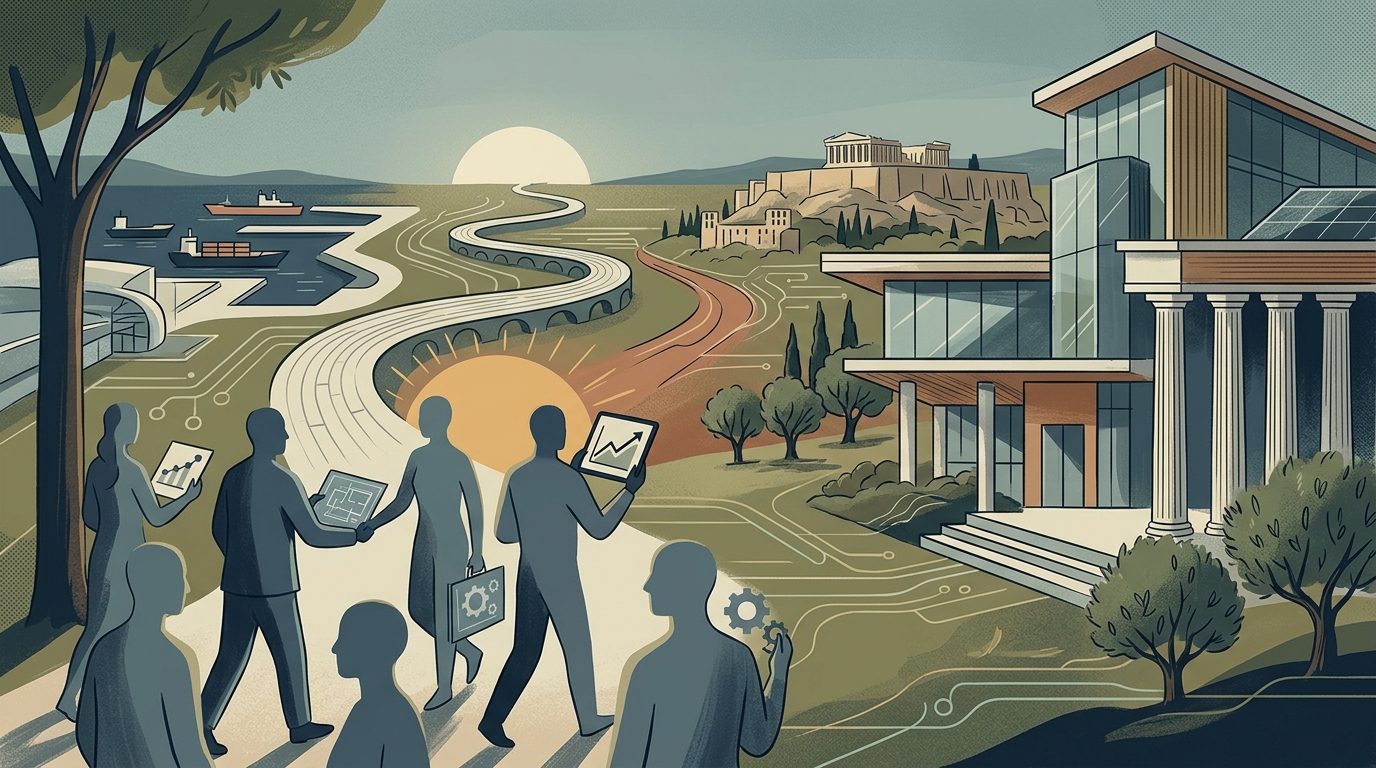
Every May, Greece descends into a unique form of collective anxiety. The Panhellenic Exams are not merely an educational process; they are a national rite of passage that tests the endurance of students, parents, and teachers alike. In 2026, an era where Artificial Intelligence is reshaping the job market and the very definition of knowledge, a pressing question remains: How can a teenager navigate this minefield of expectations, and what does "success" truly mean today?
The Strategy of the Final Days
According to seasoned researcher Stratos Stratigakis, the final days before the exams are critical not for acquiring new knowledge, but for managing what has already been learned. Fatigue is the greatest enemy of memory. Experts advise candidates to limit study hours and focus on high-quality revision. Last-minute "cramming" often leads to mental confusion and heightened stress levels.
- Time Management: During the exam, time allocation is key. Always start with the questions you know well to boost your confidence.
- Reading the Questions: Haste is a poor counselor. Many mistakes are due to a failure to understand the prompt rather than ignorance of the subject matter.
- Physical Condition: Adequate sleep and proper nutrition are not luxuries; they are prerequisites for optimal brain function.
The Psychological Burden and Social Pressure
The Greek educational system remains trapped in an exam-centric logic. The stress experienced by students is not just a result of the volume of material, but also the feeling that their entire future is decided in a matter of hours. This "all-or-nothing" mentality is psychologically draining and often counterproductive.
"The Panhellenic Exams are a marathon, not a sprint. Mental balance is what distinguishes the successful candidates from the top scorers," say psychologists specializing in vocational guidance.
Furthermore, in 2026, we witness a new challenge: digital distraction. Students are asked to disconnect from a world of constant information flow to focus on static texts. The ability for "deep work" has now become a rare and valuable asset.
The Shadow of AI and the Future
While the Panhellenic Exams remain tethered to pen and paper, the world outside the classroom is changing rapidly. AI can now solve most exam questions in seconds. This creates a paradoxical reality: we are testing students on skills that technology has already automated, while neglecting critical thinking, creativity, and emotional intelligence.
The need to revise the university entrance system is more mature than ever. The focus must shift from rote memorization to the ability to synthesize and apply knowledge. Until then, candidates must remember that exams are a milestone, not the destination. Career success in the 21st century requires flexibility and lifelong learning—traits that no university application form can fully guarantee.
Practical Tips for Exam Day
On the day of the exam, composure is everything. Students should arrive at the testing center early, avoiding conversations with classmates that might spike anxiety. Inside the hall, careful management of the exam booklet and clear handwriting play a role in the final impression formed by the grader. After each subject concludes, the best strategy is to immediately "delete" it from memory and focus on the next one, without endless post-mortem analyses of what went wrong.