In an era where Artificial Intelligence (AI) is often presented as the panacea for every social and economic ailment, Constantinos Daskalakis, Professor of Computer Science at MIT and Chair of Greece's National Committee on Artificial Intelligence, offers a critical perspective. Speaking at 'The Upfront Initiative' conference, Daskalakis moved beyond mere technological capabilities to address human-centric challenges, warning that AI could make us "stupider" if we allow ourselves to surrender completely to its convenience.
The Paradox of Intelligence: Augmentation vs. Replacement
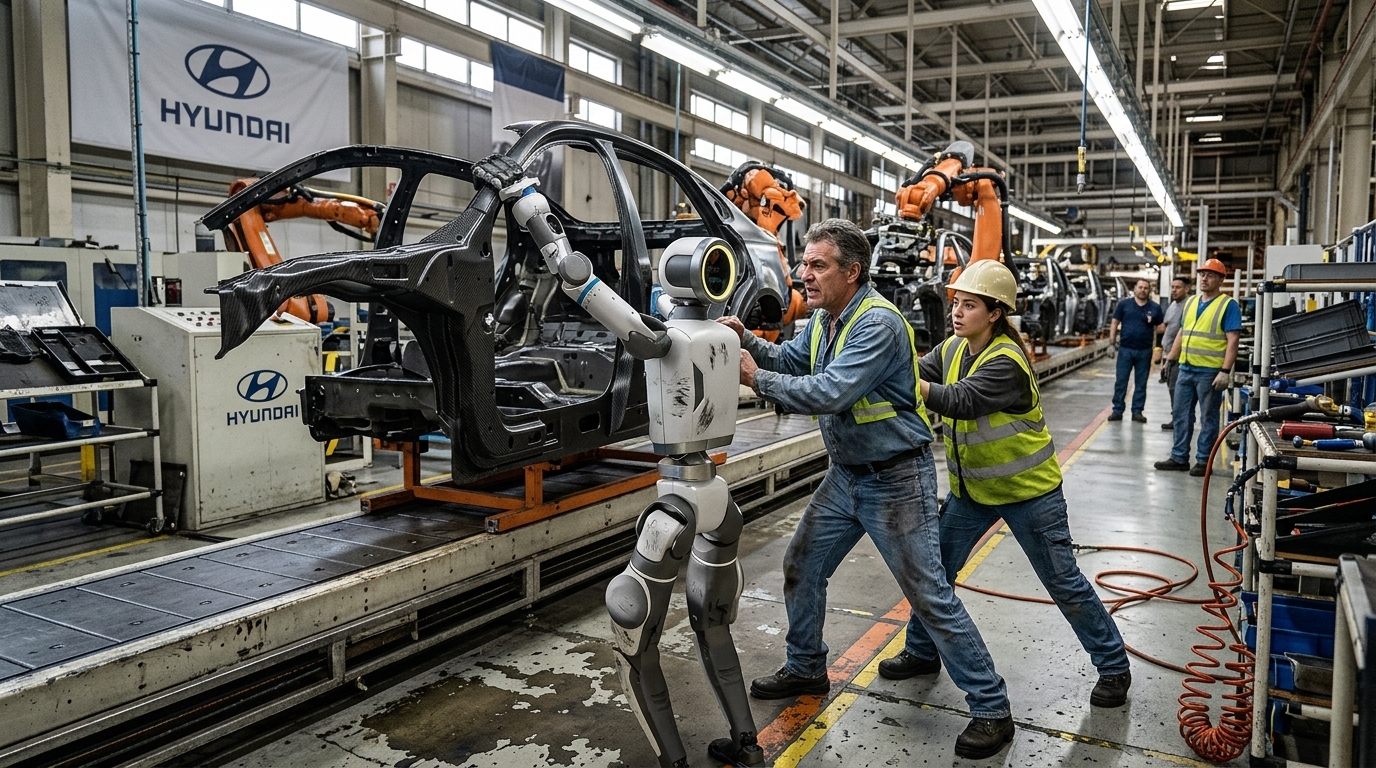
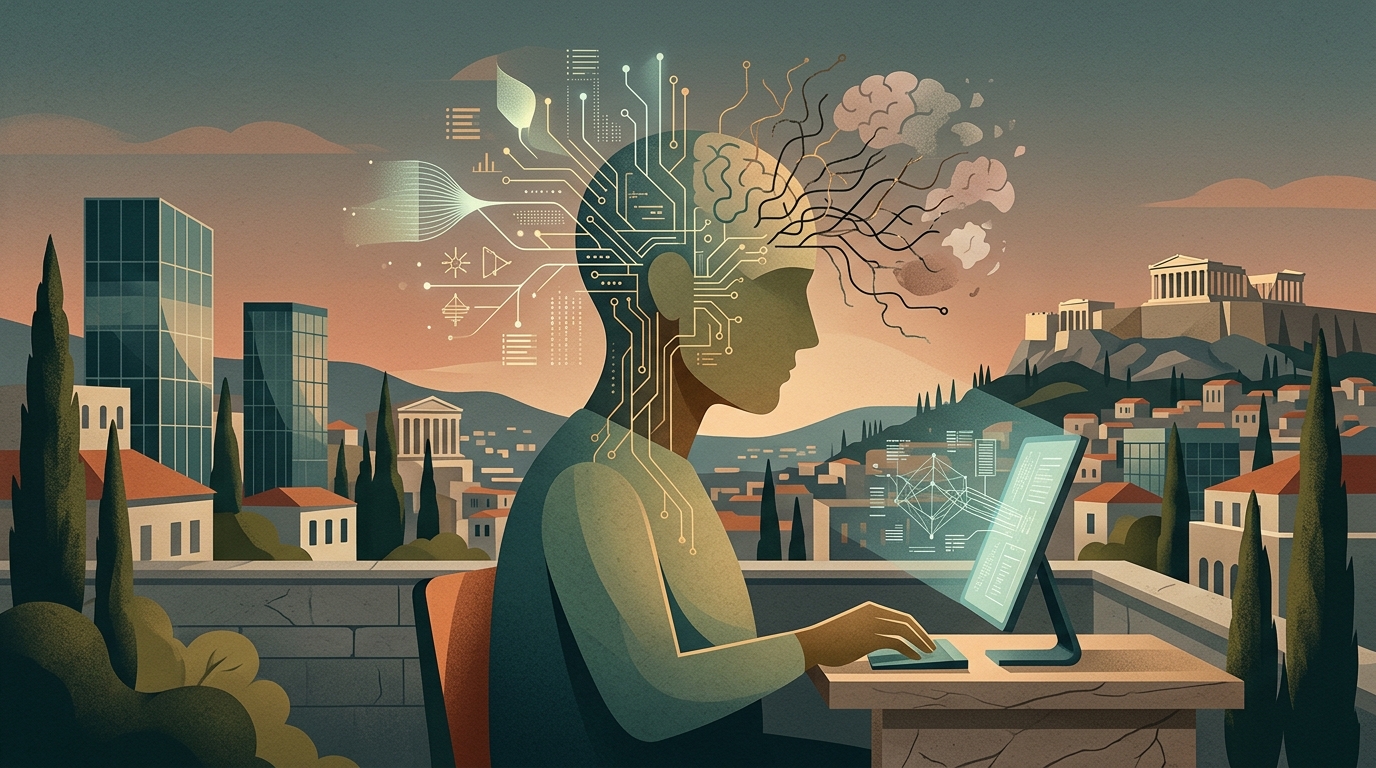
Daskalakis's central argument focuses on the fundamental nature of the human-machine relationship. AI, he contends, is a tool that can function as an "exoskeleton" for the mind, enabling us to process vast amounts of data and solve complex problems that were previously insurmountable. However, there is a significant risk: cognitive atrophy. When we outsource the process of thinking, analysis, and decision-making to an algorithm, our own cognitive faculties may begin to wither.
"If we stop exercising our critical thinking because we blindly trust the output of a machine, then our collective intelligence is downgraded," he noted. This observation is not merely a philosophical concern but a practical warning for education and the workforce. In the future, human value will not lie in the ability to generate content—something AI does with blinding speed—but in the ability to evaluate, correct, and provide strategic direction to that output.
Greece at the Digital Crossroads
As the head of the National Committee, Daskalakis is tasked with charting a strategy that allows Greece to integrate AI without compromising its social fabric. According to the professor, the country is at a pivotal moment. Technology offers a unique opportunity to overcome chronic inefficiencies in public administration and boost the productivity of small and medium-sized enterprises (SMEs).
- Transparency and Accountability: The use of algorithms in the public sector must be accompanied by strict rules regarding how decisions are reached.
- Access for All: The threat of a new "digital divide" is real. AI must not become a privilege reserved for the few or for technologically advanced corporations.
- Educational Reform: The schools of the future must teach students how to question AI, not just how to operate it.
Daskalakis emphasized that the strategic direction must be clear: technology should serve humanity, rather than humans serving as mere data providers for the models of global tech giants.
Ethics and the 'Black Box' of Algorithms
One of the more technical yet vital points of his discourse concerned the opacity of modern AI models. Many systems currently in use operate as "black boxes." Even their creators cannot always explain why an algorithm reached a specific conclusion. This poses immense ethical questions, particularly in sensitive sectors such as justice, healthcare, and human resources.
"Democracy requires justification. If we cannot explain the 'why' behind a decision that affects a citizen's life, we are undermining the foundations of our society," he stated.
The professor called upon the scientific community and the state to invest in Explainable AI (XAI), ensuring that control remains firmly in human hands. The challenge lies in maintaining the efficiency of these models without sacrificing their ethical integrity and the principle of accountability.
Conclusion: A Call for Vigilance
Constantinos Daskalakis's address at the Upfront Initiative was not a doomsday prophecy but a realistic analysis of the risks accompanying every major technological revolution. AI has the power to solve some of humanity's greatest challenges, from climate change to medical diagnostics. However, its success depends on our own posture. If we view it as a substitute for thought, we will drift toward cognitive decline. If we view it as a partner that requires constant oversight and a critical eye, then the possibilities are boundless. Ultimately, the responsibility remains with us.