The recent broadcast of the special feature "All About Artificial Intelligence" on Cosmote TV serves as more than just a television highlight; it is a catalyst for national reflection. As the global community accelerates toward the integration of Large Language Models (LLMs) and Generative AI, Greece finds itself at a pivotal crossroads. The program acted as a bridge, helping the general public understand that AI is no longer a sci-fi trope but a tool already reshaping public administration, healthcare, and entrepreneurship within the country.
The Digital Transformation of the Hellenic State
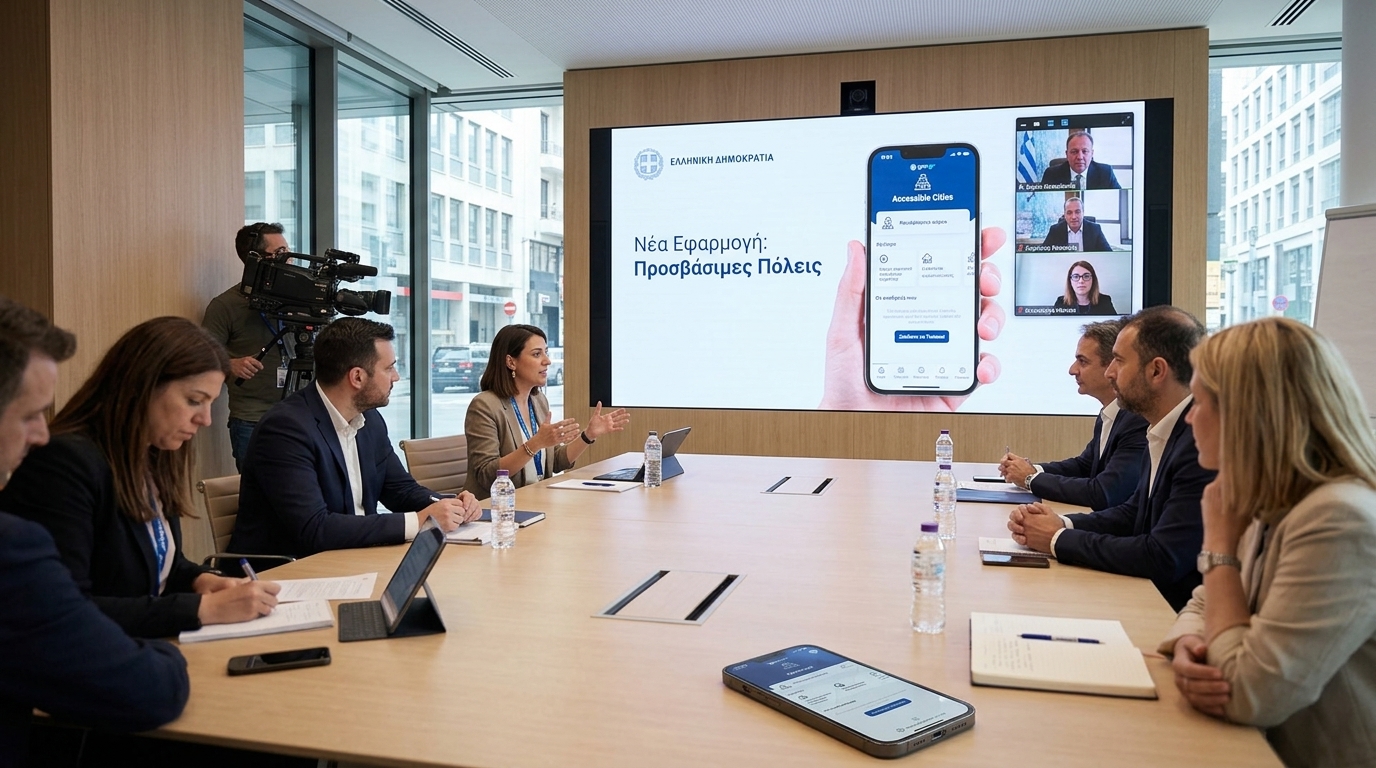
One of the central themes highlighted is the acceleration of digital transformation. The introduction of "mAIgov," the first AI digital assistant for public administration, stands as the most tangible example. Greek citizens, historically burdened by bureaucracy, are now in a position to communicate with the state using natural language. This evolution is not merely technical; it is deeply social, reducing the gap between the citizen and the state, provided that inclusivity for older generations is ensured.
However, the challenge remains in the infrastructure. Greece is attracting significant investments in data centers from giants like Microsoft and Google, positioning it as a regional hub. AI requires immense computational power, and the country seems to realize that without domestic infrastructure, it will remain a consumer rather than a producer of technology. The "AI for Greece" strategy aims precisely there: creating an ecosystem that fosters research and development.
The Role of Education and the "Archimedes" Unit
No discussion about AI in Greece would be complete without mentioning the "Archimedes" research unit. Supported by top Greek scientists from abroad, this unit aspires to become a beacon of innovation. Educating young scientists and reversing the brain drain is vital. Artificial Intelligence offers a unique opportunity: the ability for Greek researchers to work at a global level without leaving the country, thanks to remote work and international collaborations.
- Strengthening AI curricula in Greek universities.
- Connecting research with the labor market and startups.
- Establishing ethical frameworks for AI use in the educational process.
Challenges, Ethics, and the Future of Work
Despite the optimism, concerns remain potent. Automation in tourism and shipping—the two pillars of the Greek economy—could lead to job losses in low-skill sectors. The answer is not technological denialism but the upskilling of the workforce. Greek society is called to adapt to an environment where human-machine collaboration will be the norm.
"AI will not replace humans, but humans who use AI will replace those who do not."
In conclusion, the Cosmote TV special is just the tip of the iceberg. Greece has the opportunity to use AI to solve long-standing problems, from natural disaster management via predictive models to improving the judicial system. Success will depend on the seriousness of investments and maintaining an ethical orientation that places humanity at the center of the technological revolution.