It has been two years since the public release of ChatGPT acted as the "Great Accelerator" of digital history. What began as an impressive experiment in natural language processing has evolved into a technological revolution comparable only to the advent of the internet or the steam engine. The recent AI Report highlights how, in just 24 months, Artificial Intelligence (AI) has moved from the periphery of research labs to the center of the global geopolitical and economic chessboard.
From Hype to Integration: The Technological Leap
The first phase of this revolution was characterized by the excitement surrounding Generative AI. We witnessed models like GPT-4, Claude, and Gemini breaking the barrier of human-like communication. However, the real shift occurred over the last year with the transition to multimodality. The ability of systems to simultaneously understand and generate text, images, audio, and video—exemplified by OpenAI’s Sora—has fundamentally changed the landscape of creative industries.
Today, we are no longer just talking about simple chatbots. We are discussing "AI Agents" capable of executing complex tasks, from software programming to supply chain management. The technology has matured, moving from the stage of "hallucinations" to more reliable systems supported by techniques like RAG (Retrieval-Augmented Generation), allowing enterprises to utilize their own data securely.
The Economic Dimension and the Semiconductor Race
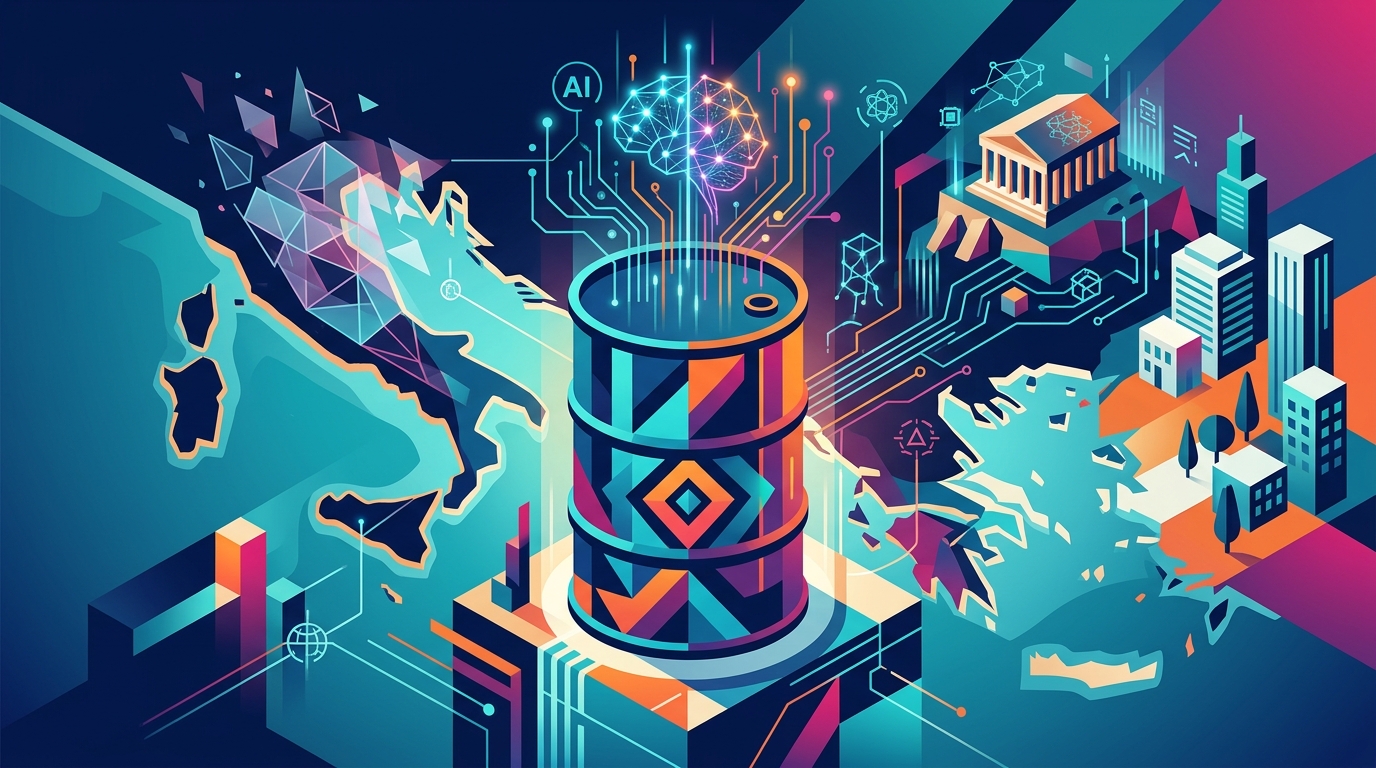
Economically, these two years have been defined by the meteoric rise of NVIDIA and a global war over semiconductors. The demand for processing power (GPUs) has turned hardware into the new "oil" of the digital age. Tech giants (Microsoft, Google, Meta, Amazon) are investing hundreds of billions of dollars into data centers, creating what some call a new economic bubble and others see as the foundation for future global productivity.
The impact on the labor market is already visible. While initial fears of mass unemployment have not fully materialized, a radical restructuring of skills is underway. "Augmentation" is the keyword: workers who learn to wield AI tools are gaining a massive advantage over those who do not. The AI Report emphasizes that the divide will not be between humans and machines, but between humans who use AI and those who ignore it.
Greece in the Spotlight of Digital Transition
For Greece, these two years coincided with an unprecedented push for digital modernization. The introduction of mAIgov, the first digital assistant for public administration, marked a significant milestone. Greece is no longer just a consumer of technology but is actively trying to build an ecosystem. The establishment of the National Committee for AI and the strategy to attract data center investments (such as those from Microsoft and Digital Realty) indicate a conscious strategic shift.
However, challenges remain. Greek small and medium-sized enterprises (SMEs) still lag in adopting these technologies, often due to a lack of capital or technical expertise. Training the workforce and integrating AI into the education system are the next big bets for the country to avoid a new digital divide.
Regulation and Ethics: The European Model
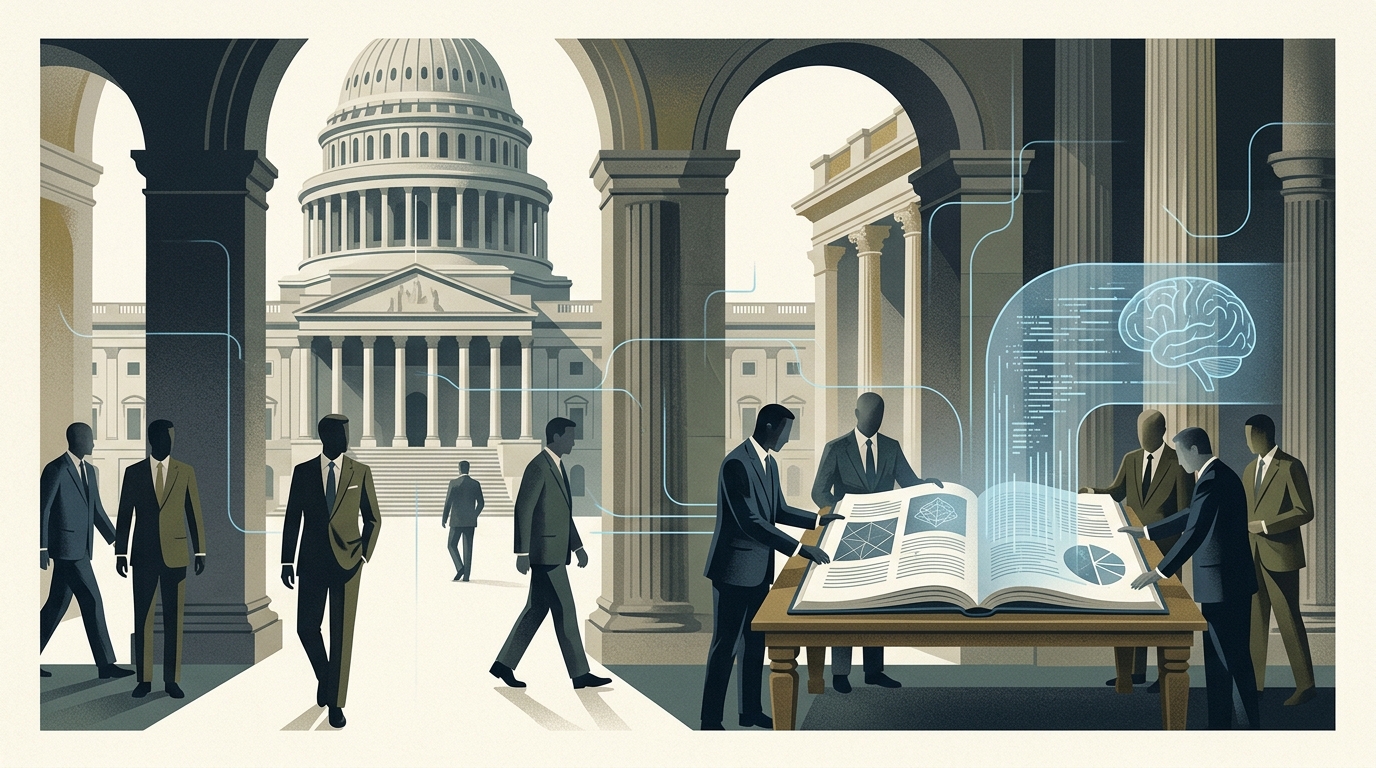
One cannot discuss the past two years without mentioning the European Union's AI Act. Europe has chosen the path of regulation, attempting to balance innovation with the protection of fundamental rights. The ban on social scoring systems and the strict regulation of biometric identification set global standards for "human-centric" AI.
In conclusion, the past two years were just the beginning. Artificial Intelligence has ceased to be a "miracle" and has become infrastructure. The next phase will be judged by our ability to manage the energy demands of data centers, ensure information quality against the rise of deepfakes, and maintain control over systems that are becoming increasingly autonomous.