In an era where the climate crisis is no longer a distant threat but a daily reality, the need for innovative solutions to protect our natural heritage is more urgent than ever. The 6G-VERSUS (6G-enabled VERtical Services with Ubiquitous connectivity and Sensing) project is set to redefine how we perceive fire protection, leveraging the astronomical speeds and "sensing" capabilities of sixth-generation networks.
The 6G Revolution: Beyond Simple Communication
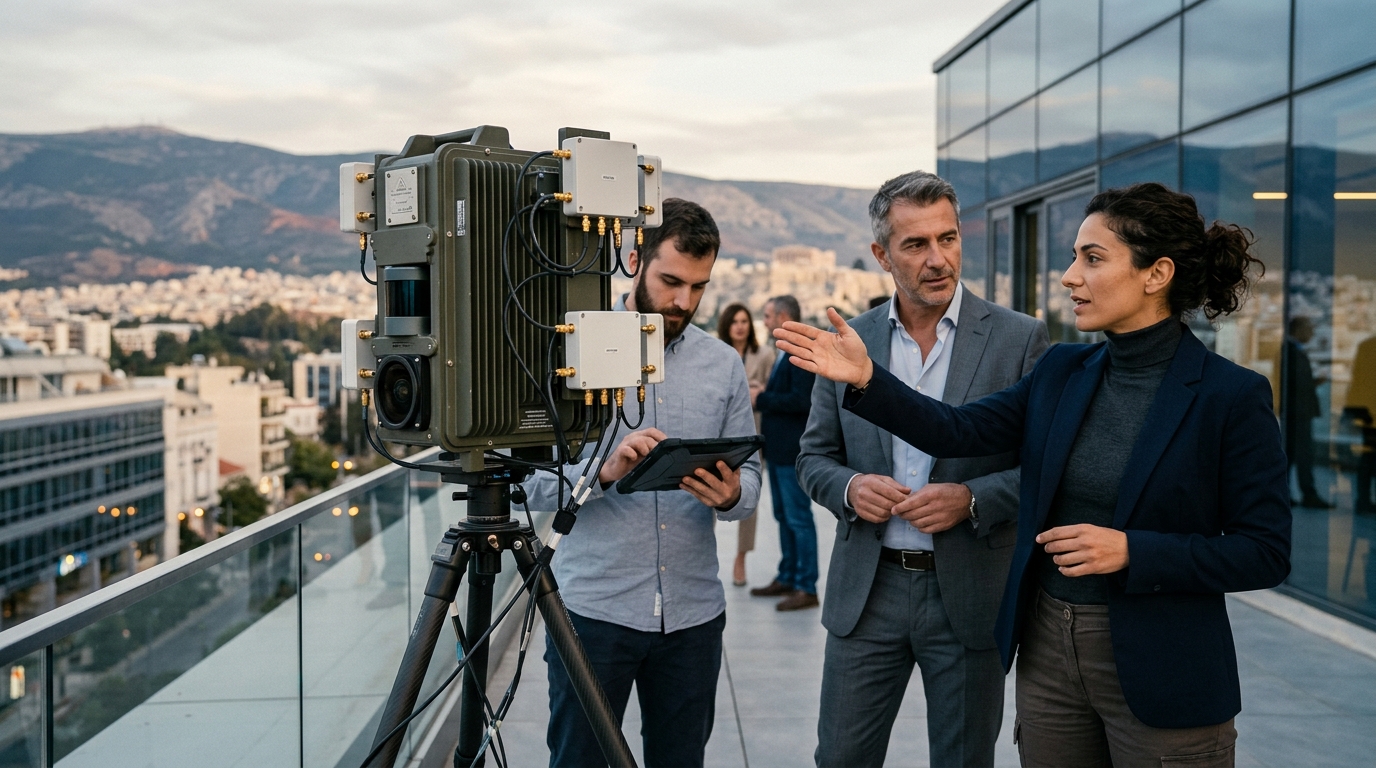
While 5G focused on device interconnectivity and reducing latency, 6G promises something much more radical: the integration of communication with sensing (Integrated Sensing and Communication - ISAC). Within the framework of 6G-VERSUS, the network does not merely act as a data conduit but as a massive, distributed radar system. This capability allows for the detection of environmental changes, such as smoke density or sudden temperature shifts, with centimeter-level precision, even in areas where traditional sensors fail.
The use of Terahertz (THz) waves enables the creation of spectral signatures for various materials and gases. This means the system can "see" the chemical composition of the air and identify the start of a fire before the first flame is even visible to the human eye or conventional cameras. It represents a transition from passive monitoring to active, preventive detection.
Drones and AI: The "Guardian Angels" of the Forests
6G-VERSUS does not rely solely on terrestrial infrastructure. A central role is played by swarms of autonomous Unmanned Aerial Vehicles (UAVs), which function as mobile nodes of the 6G network. These drones are equipped with multispectral cameras and AI sensors that process data at the "edge" of the network (Edge Computing). Instead of sending vast amounts of video to a central cloud, the drones analyze images locally, identifying fire hotspots in fractions of a second.
"Response speed is the most critical factor in firefighting. With 6G-VERSUS, we reduce the time from detection to notification of the authorities from minutes to seconds," say researchers involved in the project.
The Artificial Intelligence used in the program is not limited to image recognition. It employs predictive models that account for wind speed, fuel moisture, and terrain topography to forecast the fire's path. This information is transmitted in real-time to firefighters on the ground, providing them with "digital super-vision" that can save lives.
The Greek Contribution and the Future of Civil Protection
It is particularly encouraging that Greek research institutions and technology companies are at the forefront of this effort. Greece, with its challenging geographical relief and extreme summer conditions, serves as the ideal testing ground for such technologies. The 6G-VERSUS project aims to create a comprehensive ecosystem that can be exported to other Mediterranean countries facing similar challenges.
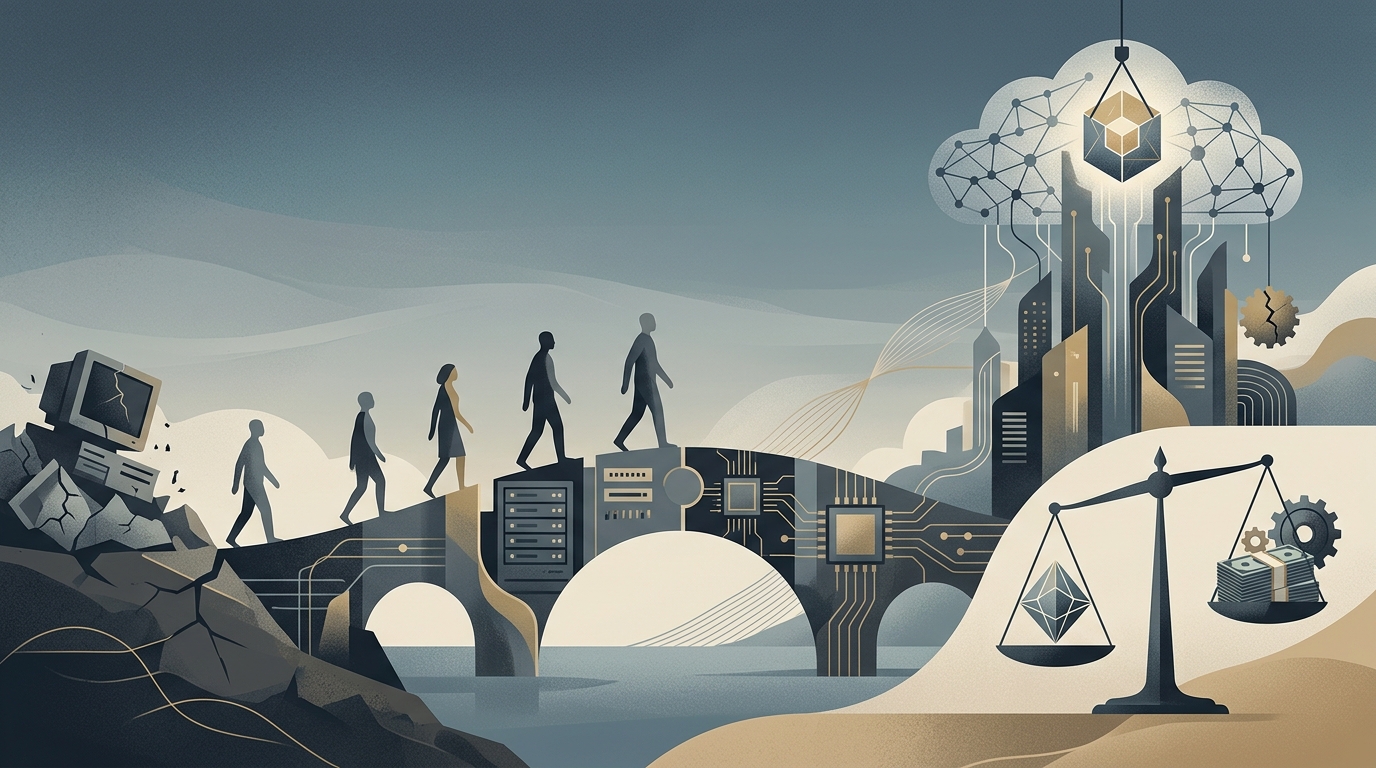
However, realizing such a vision requires significant infrastructure investment. The transition to 6G necessitates a new generation of antennas and Low Earth Orbit (LEO) satellite links to cover remote forested areas. The challenge is not only technical but also economic, as the sustainability of these networks must be ensured through public-private partnerships.
Conclusions: A New Era of Resilience
6G-VERSUS is not just a research experiment; it is a glimpse into the future of civil protection. By combining ultimate connectivity with intelligent sensing, we can create a "living" shield over our forests. Technology, when placed at the service of ecology, can provide the tools we need to reverse the sense of helplessness against the elements of nature. The success of the program will be judged by the speed with which these innovations move from the laboratory to real-world action, protecting the green future of our world.