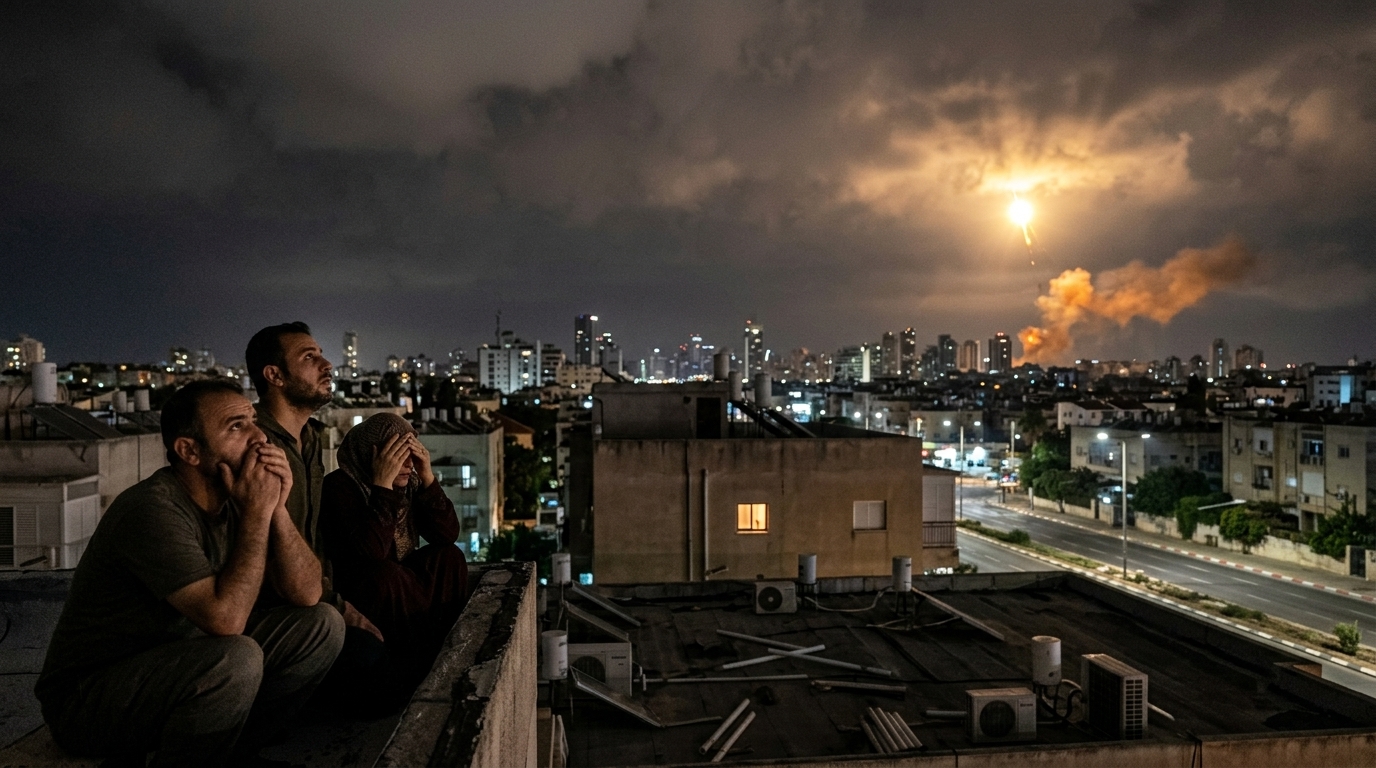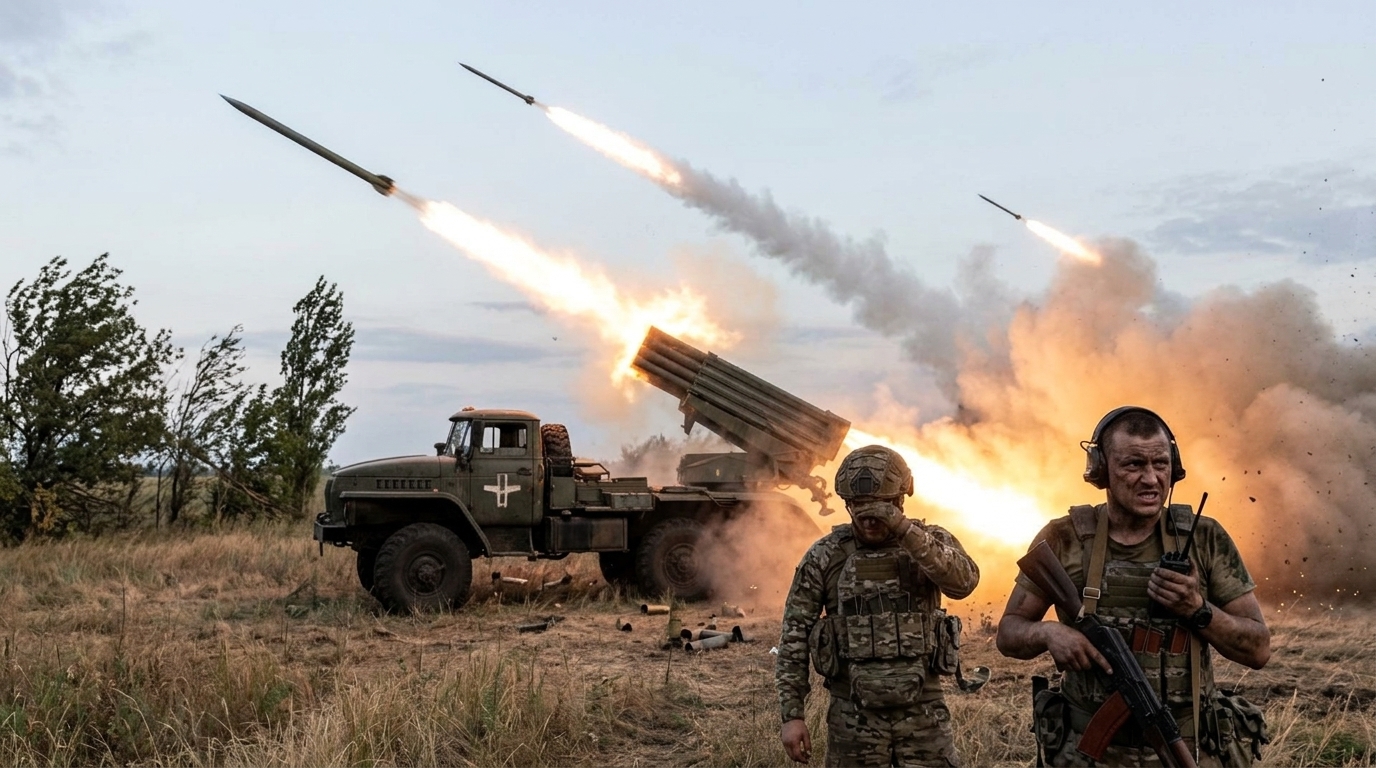
As the war in Ukraine enters a pivotal phase in the summer of 2026, the atmosphere in Kyiv remains high-strung. President Volodymyr Zelensky, in an emergency address broadcast late at night, warned citizens of an impending "massive and complex" attack by Russian forces. This warning is not merely a routine reminder of the ongoing dangers; it is based on specific intelligence suggesting a new strategic escalation from Moscow.
The Strategy of 'Complex Attrition'
According to security analysts, Russian forces have deployed a new tactic that combines the use of Kh-47M2 Kinzhal hypersonic missiles with swarms of autonomous kamikaze drones. The goal of this "complex attrition" is to saturate Ukrainian air defense systems, which, despite being bolstered by Western aid, face significant challenges due to a shortage of interceptor missiles. Zelensky emphasized that the coming hours are critical, urging residents of urban centers not to ignore sirens and to seek shelter immediately.
- Deployment of new Shahed drone variants equipped with radar-evading technology.
- Targeting of critical energy infrastructure to destabilize the grid during the summer heatwave.
- Psychological operations via social media disinformation to incite public panic.
"The enemy seeks not only the destruction of our infrastructure but the breaking of our spirit. Every missile launched is a reminder that freedom has a price, but also a testament to the attacker's desperation," the Ukrainian leader stated.
Artificial Intelligence in Air Defense
A significant shift compared to previous years is the integration of advanced Artificial Intelligence into Ukrainian air defenses. The "Digital Shield," a system developed through collaboration between Silicon Valley giants and Ukrainian developers, now allows for real-time trajectory analysis of projectiles with split-second precision. However, Russia appears to have adapted, utilizing algorithms that alter the flight paths of cruise missiles mid-flight, turning interception into a high-tech game of cat and mouse.
Geopolitical Implications and Western Fatigue
Zelensky’s new warning comes at a time when the international community is showing signs of fatigue. In the United States and the European Union, the debate over the continuation of military aid has become a field of intense political friction. Moscow seems to be banking on this fatigue, hoping that a series of devastating strikes will force Kyiv into negotiations under unfavorable terms. Ukraine, for its part, persistently requests not only defensive systems but also long-range weapons capable of striking launch bases within Russian territory—a "red line" that the West still hesitates to fully cross.
In conclusion, the situation in Ukraine remains an open wound in the heart of Europe. The warnings of massive strikes highlight that the war is far from over; it has instead transformed into a conflict of endurance and technological superiority. Ukraine's ability to withstand this new wave of attacks will largely determine the course of diplomatic developments in the months to follow.