In the crucible of modern conflict, information has become as lethal as ammunition. Ukraine, recognizing this fundamental shift in the doctrine of warfare, recently launched TrophyLab, a sophisticated database that is not merely a catalog of spoils, but a powerful tool for geopolitical leverage and military analysis. This platform offers unprecedented access to the internal workings of the Russian and North Korean war machines, revealing secrets previously guarded behind iron curtains.
The Anatomy of Intelligence: What is TrophyLab?
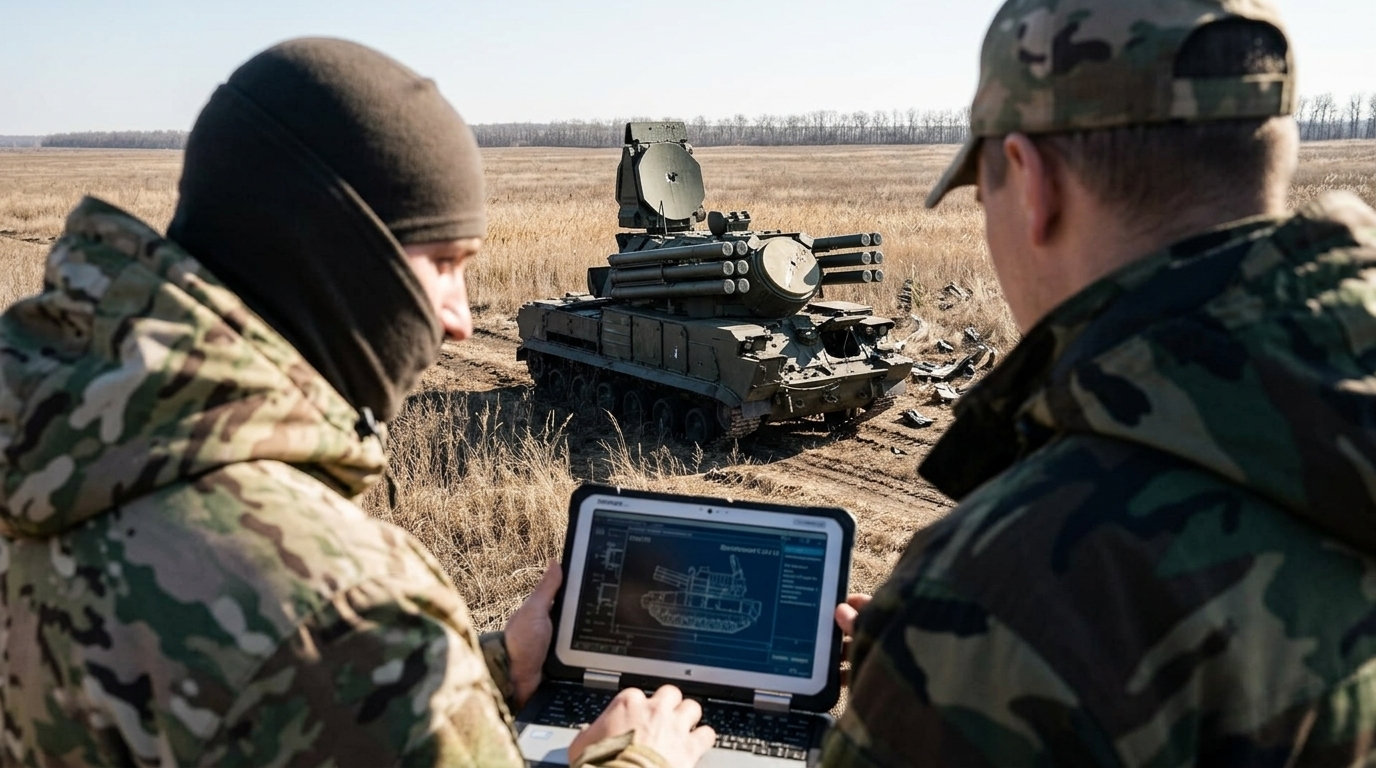
TrophyLab is the result of a painstaking process of collecting, dismantling, and analyzing thousands of samples of Russian equipment abandoned or destroyed on the battlefield. From Shahed suicide drones (now Russian-made as Geran) to Kh-101 cruise missiles and T-90M tanks, every piece of metal and every silicon board is scrutinized. The database provides detailed technical specifications, serial numbers, and, most importantly, the origin of their components.
The strategic value of this effort lies in the demystification of Russian military power. By highlighting weaknesses in design or material quality, Ukraine provides its NATO allies with the necessary data to adapt their own defense systems. Furthermore, the publication of this data acts as a form of 'digital shaming' for companies that, wittingly or unwittingly, continue to supply Russia with critical technology.
The Thorn of Western Technology
One of the most shocking findings documented in TrophyLab is the persistent presence of Western components in high-tech Russian weapon systems. Despite strict sanctions and export controls, the database reveals that microchips, sensors, and navigation systems from the US, the European Union, and Japan are still finding their way into the hands of the Russian defense industry.
- Dual-Use Circuits: Many components found in cruise missiles are 'dual-use' technologies, intended for washing machines or cars, but repurposed for military use.
- Intermediary Networks: The database traces routes through third countries, such as China, Turkey, and the United Arab Emirates, which act as hubs for bypassing sanctions.
- Ethical Responsibility: The release of serial numbers allows authorities to track exactly which company produced the component and through which distributor it was sold.
This transparency puts immense pressure on multinational tech firms to tighten their supply chain controls, as no company wants its logo appearing next to the wreckage of a missile that struck a residential area.
The North Korean Connection and the Eastern Axis
Of particular interest is the data concerning weaponry from North Korea. Following the formal defense agreement between Moscow and Pyongyang, the appearance of North Korean KN-23 missiles on the Ukrainian front has become more frequent. TrophyLab offers the first detailed look at these 'dark' weapon systems.
"Analysis of North Korean missiles reveals an unexpected reliance on foreign components, debunking the myth of total self-sufficiency for Kim Jong Un's regime," note analysts from the Ukrainian intelligence service.
The revelation that North Korea uses global supply chains to build its ballistic missiles is a wake-up call for the international community. It shows that smuggling networks are far more sophisticated and interconnected than previously believed, creating a new challenge for global security.
Conclusion: The Geopolitics of Transparency
The TrophyLab initiative marks a new era where the secrecy of military equipment gives way to open-source intelligence (OSINT). Ukraine is winning not just on the battlefield, but in the field of truth, exposing the structures that sustain the war. As the weapons 'speak,' their revelations will continue to shape foreign policy, economic sanctions, and global public opinion for years to come.