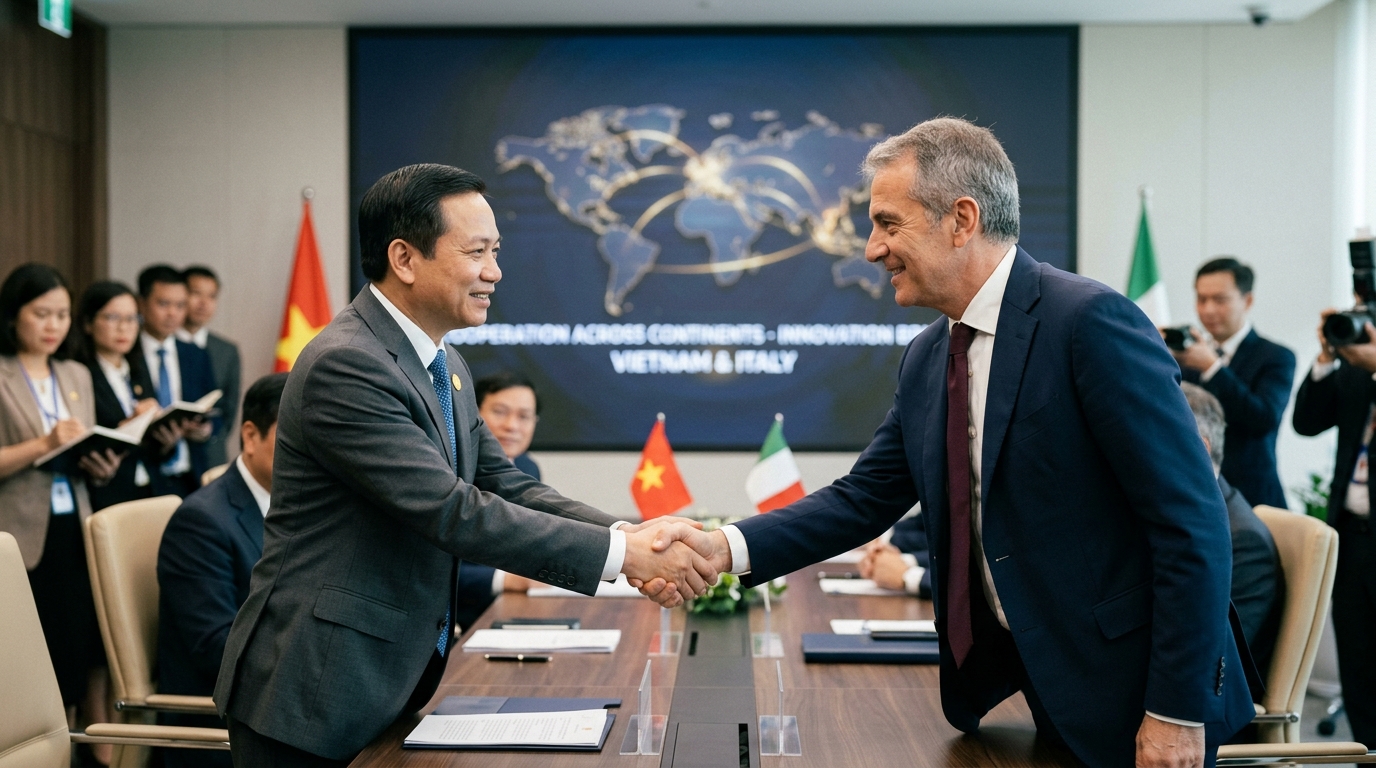
In a move that underscores the shifting geopolitical dynamics of technological power, Vietnam and Italy have announced an extensive package of agreements to promote cooperation in Artificial Intelligence (AI), space technology, and digital innovation. This development, occurring within the framework of high-level bilateral contacts, marks a shift from traditional trade relations toward a deeper, technologically oriented strategic partnership.
Vietnam's Digital Transition and Italian Expertise
Vietnam is no longer just a low-cost manufacturing hub. With a national AI strategy aiming to rank the country among the top four in ASEAN by 2030, Hanoi is seeking partners who can offer not just capital, but also the transfer of know-how. Italy, as a G7 member, brings a unique approach to the table: an emphasis on "human-centric" AI and a robust industrial background that blends tradition with high technology.
The two countries have agreed to establish joint Research and Development (R&D) laboratories, focusing on the application of AI in precision agriculture, smart city management, and the optimization of manufacturing processes. Italy offers its experience in the ethical governance of technology—a topic of intense focus within the European Union—while Vietnam offers a dynamic startup ecosystem and a vast pool of young engineers.
Space Technology: From Earth to the Stars
Perhaps the most striking aspect of the new agreement is the cooperation in the space sector. Vietnam faces severe challenges due to climate change, particularly in the Mekong Delta. The Italian space industry, led by giants such as Leonardo and Thales Alenia Space, possesses advanced technology in Earth observation and satellite remote sensing.
"Our cooperation in space is not just about exploration; it is about survival and development on Earth," stated a high-ranking Vietnamese official during the talks.
The partnership includes the training of Vietnamese scientists in Italian institutions and the shared use of data from the COSMO-SkyMed system. This will enable Vietnam to accurately monitor natural disasters, coastal erosion, and illegal fishing, while simultaneously enhancing its national security in a sensitive region like the South China Sea.
Geopolitical Implications and the "China+1" Strategy
The rapprochement between Rome and Hanoi does not happen in a vacuum. Amid the global effort to diversify supply chains (the China+1 strategy), Vietnam is emerging as a critical player. For Italy, strengthening ties with Vietnam serves as a gateway to the growing ASEAN market. For Vietnam, Italy is a steady ally within the EU that can facilitate access to European funds and technological standards.
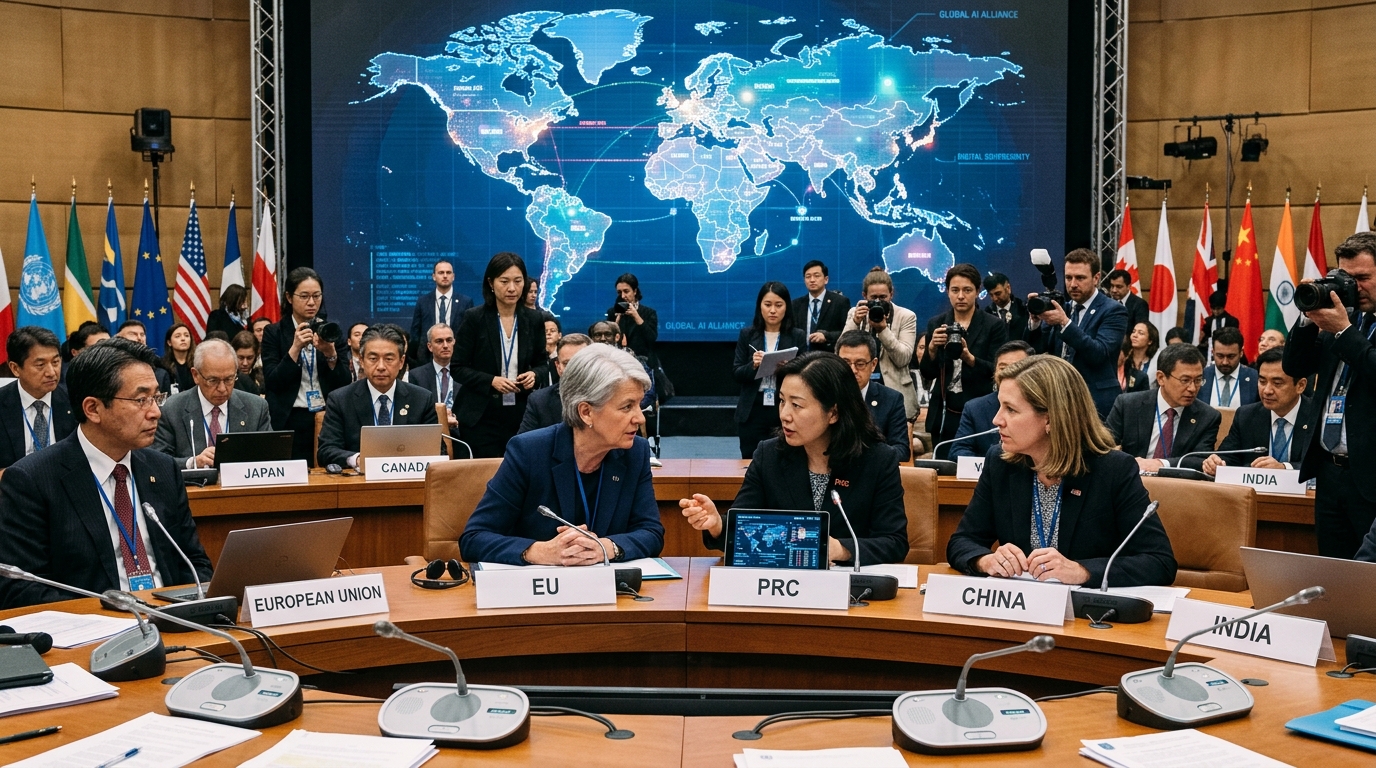
Furthermore, this cooperation bolsters the "digital sovereignty" of both nations. In a world dominated by the US-China technological duel, middle powers like Italy and Vietnam are finding common ground in developing autonomous technological capabilities that do not rely exclusively on the two major poles.
Challenges and Future Prospects
Despite the enthusiasm, obstacles remain. Differences in regulatory frameworks for data protection and intellectual property remain a thorny issue. Italy, bound by the EU's AI Act, must ensure that its partnerships with third countries align with strict European standards. On the other hand, Vietnam must accelerate reforms in its judicial system to provide the necessary legal certainty for Italian investors.
In conclusion, the convergence of Hanoi and Rome in the high-tech sector represents a bold bet on the future. If successful, it could serve as a model for how developed Western economies can cooperate on equal terms with the emerging powers of the East, creating a new axis of innovation that transcends geographical and cultural boundaries.