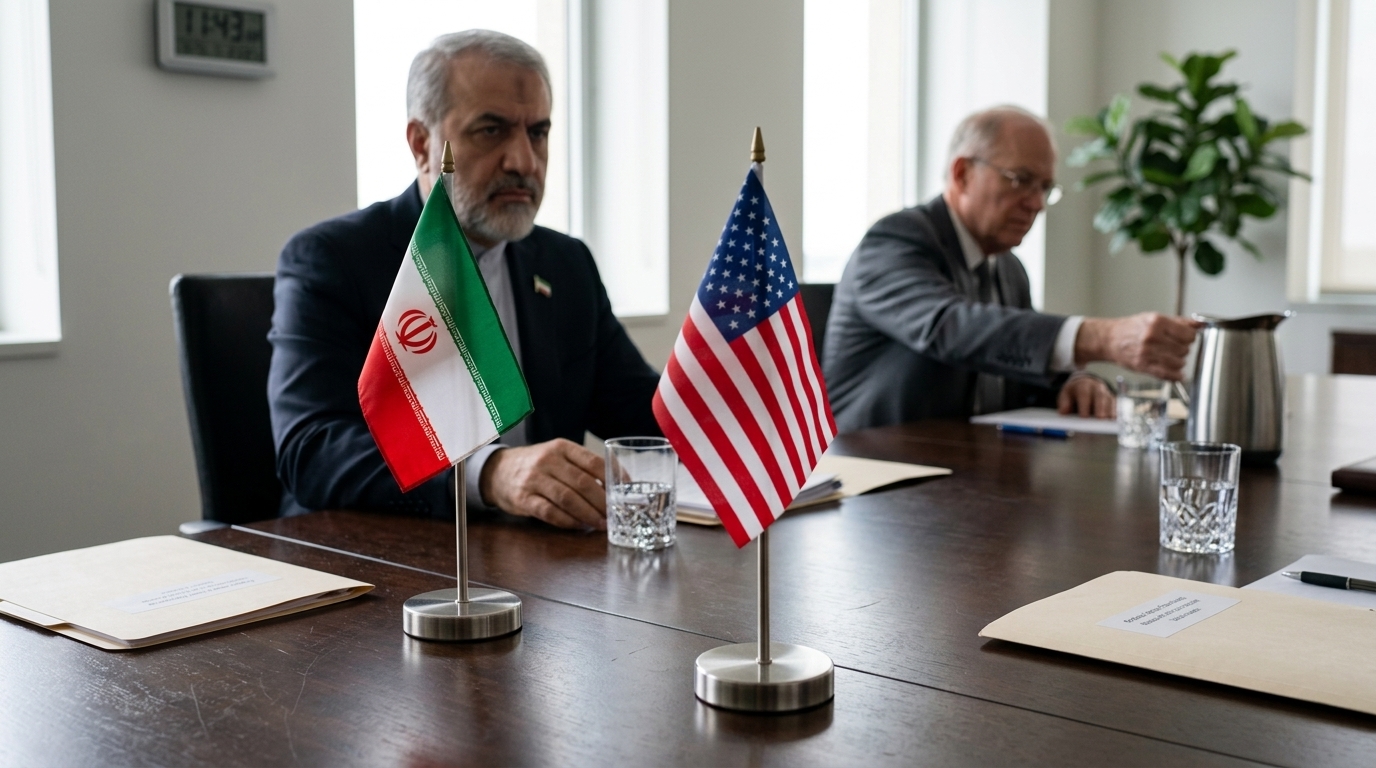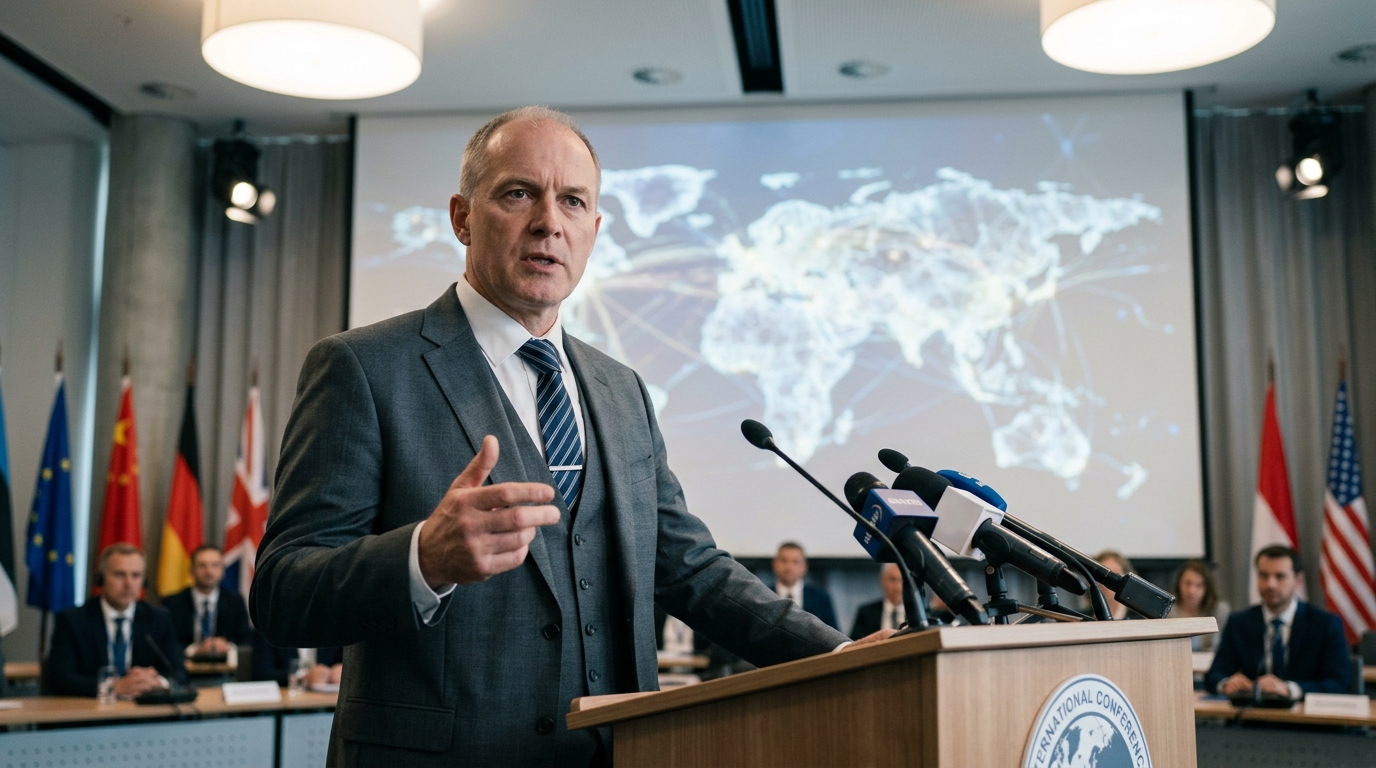
In an unexpected diplomatic pivot that could reshape the balance of power in the Middle East, U.S. Vice President JD Vance announced today, June 22, 2026, that "significant and substantive progress" has been made in talks with Tehran. This statement, delivered on the sidelines of a regional security summit, marks the first time the current administration has publicly admitted that the diplomatic track with Iran is not only open but yielding results.
The focus of the discussions, according to Vance, is not just the containment of Iran's nuclear program, but also the gradual lifting of economic sanctions, starting with the "unfreezing" of Iranian assets held in international banks. These funds, totaling billions of dollars, have been a core demand of Tehran for years as it struggles under a crippled economy.
The Strategy of 'Hard-Nosed Diplomacy'
Vance's approach appears to diverge from previous efforts. While the Biden administration focused on reviving the JCPOA (Joint Comprehensive Plan of Action), the current leadership seems to be pursuing a "new deal" that encompasses not just nuclear issues but also Iran's ballistic missile program and its regional proxy activities.
"We are not writing a blank check," Vance emphasized. "Every dollar unfrozen will be accompanied by strict oversight and verifiable steps toward denuclearization." This rhetoric is aimed at mollifying skeptics in Congress who fear that a cash influx to Tehran could fund further instability in Yemen, Lebanon, and Gaza.
Economic Incentives and Energy Security
The issue of Iranian assets is complex. These are primarily oil revenues trapped in banks in South Korea, Japan, and Iraq due to U.S. sanctions. Their release would provide a massive lifeline to the collapsing Iranian economy, which is plagued by hyperinflation and social unrest.
On the other hand, Washington views Iran as a potential player that could stabilize global energy prices, especially as geopolitical tensions with Russia remain at a critical juncture. Reintegrating Iranian oil into legitimate international markets would be a significant win for the global economy, though the domestic political cost for Vance remains high.
Reactions from Allies and Adversaries
Vance's announcement triggered immediate reactions. Israel, through its Prime Minister, expressed "grave concern," warning that any economic relief to Iran is equivalent to "feeding terrorism." Conversely, European powers welcomed the progress, seeing an opportunity to avoid a full-scale conflict in the region.
Analysts point out that Vance is playing a high-stakes game. If successful, he could be credited as the architect of a historic peace. If he fails, he will be accused of strengthening a U.S. adversary without securing meaningful guarantees. The coming weeks will be critical as technical teams from both sides meet in Vienna to finalize the details of the "roadmap" for unfreezing the funds.
- Talks have been conducted in extreme secrecy over the past few months.
- Iran has reportedly committed to capping uranium enrichment below 60%.
- The deal includes a "humanitarian channel" mechanism for the use of the funds.
- Russia and China are watching closely, fearing a loss of their influence over Tehran.
In conclusion, Vance's statement represents a crack in the wall of Iran's isolation. It remains to be seen whether this crack will lead to a new light of cooperation or if it will crumble under the weight of decades-old mutual suspicions.