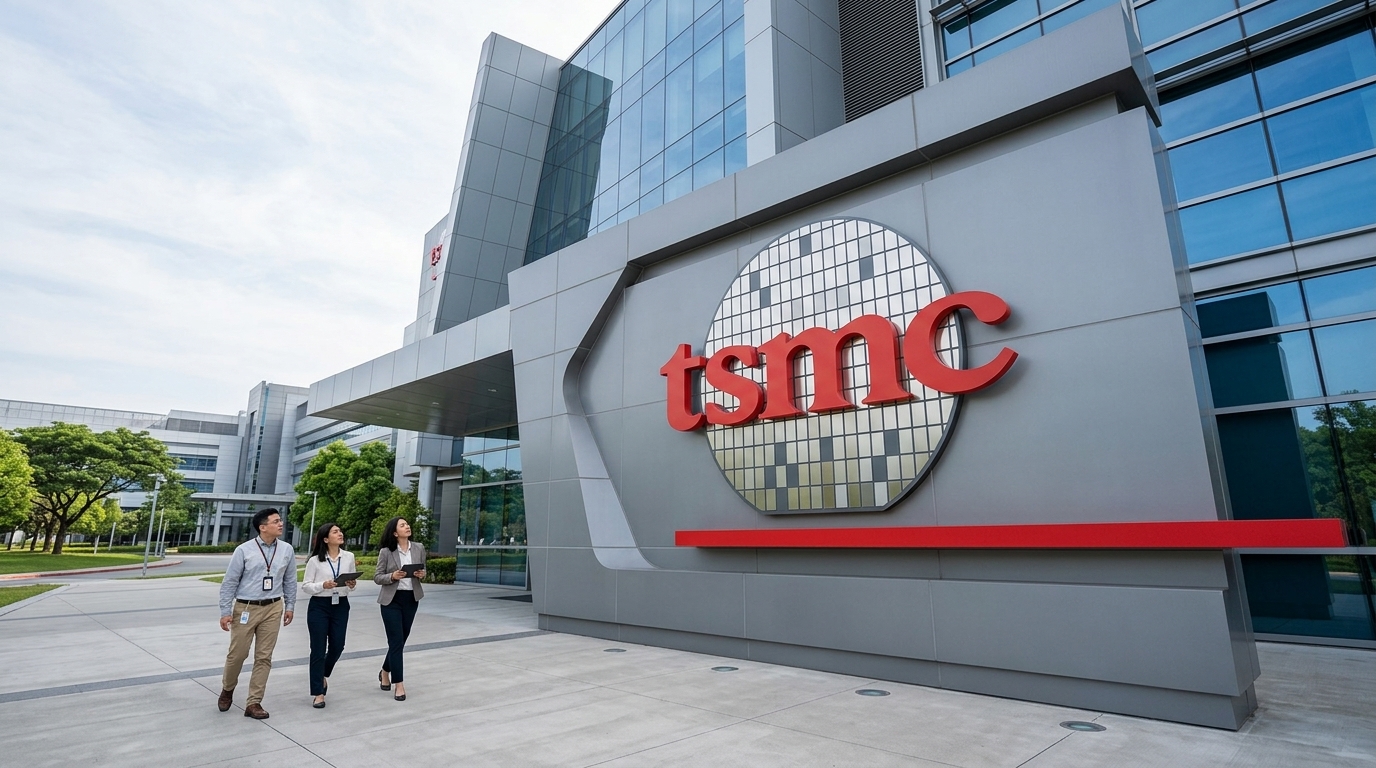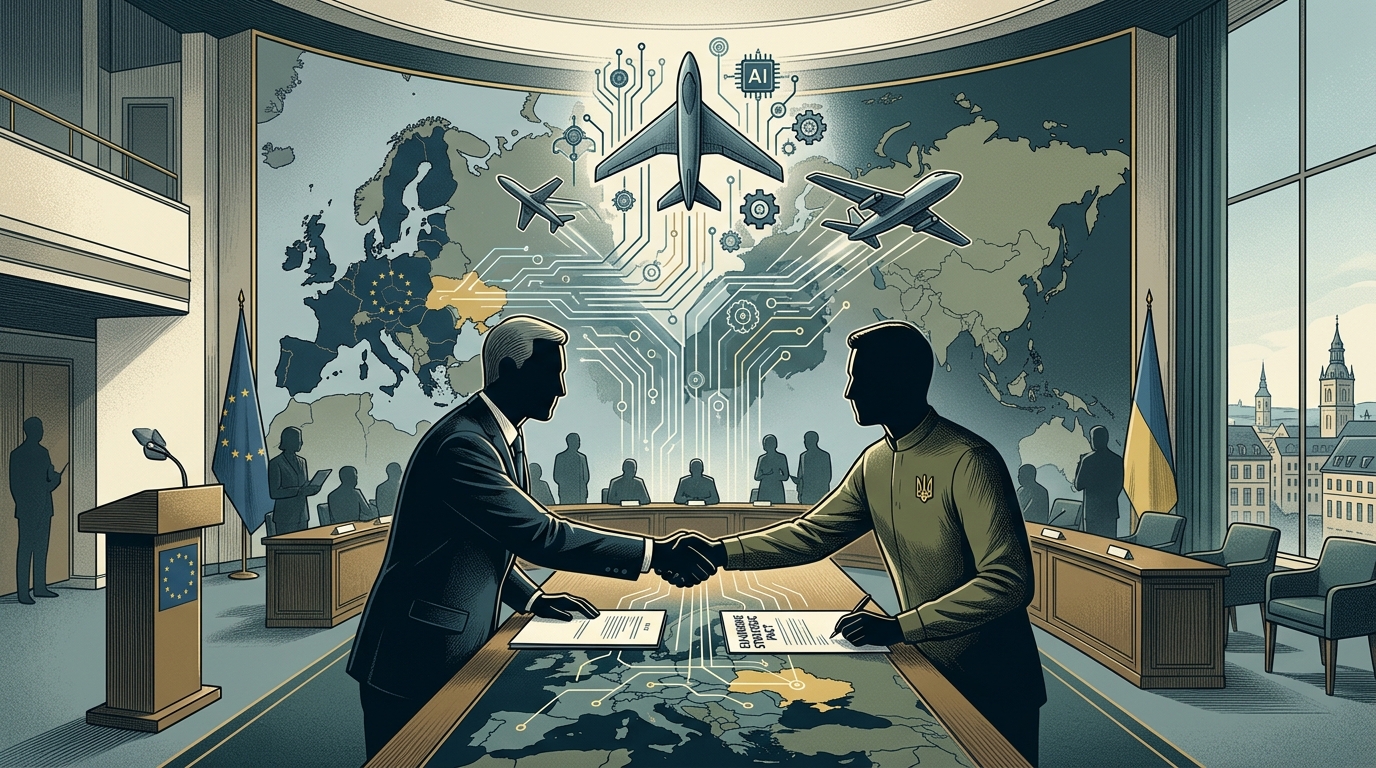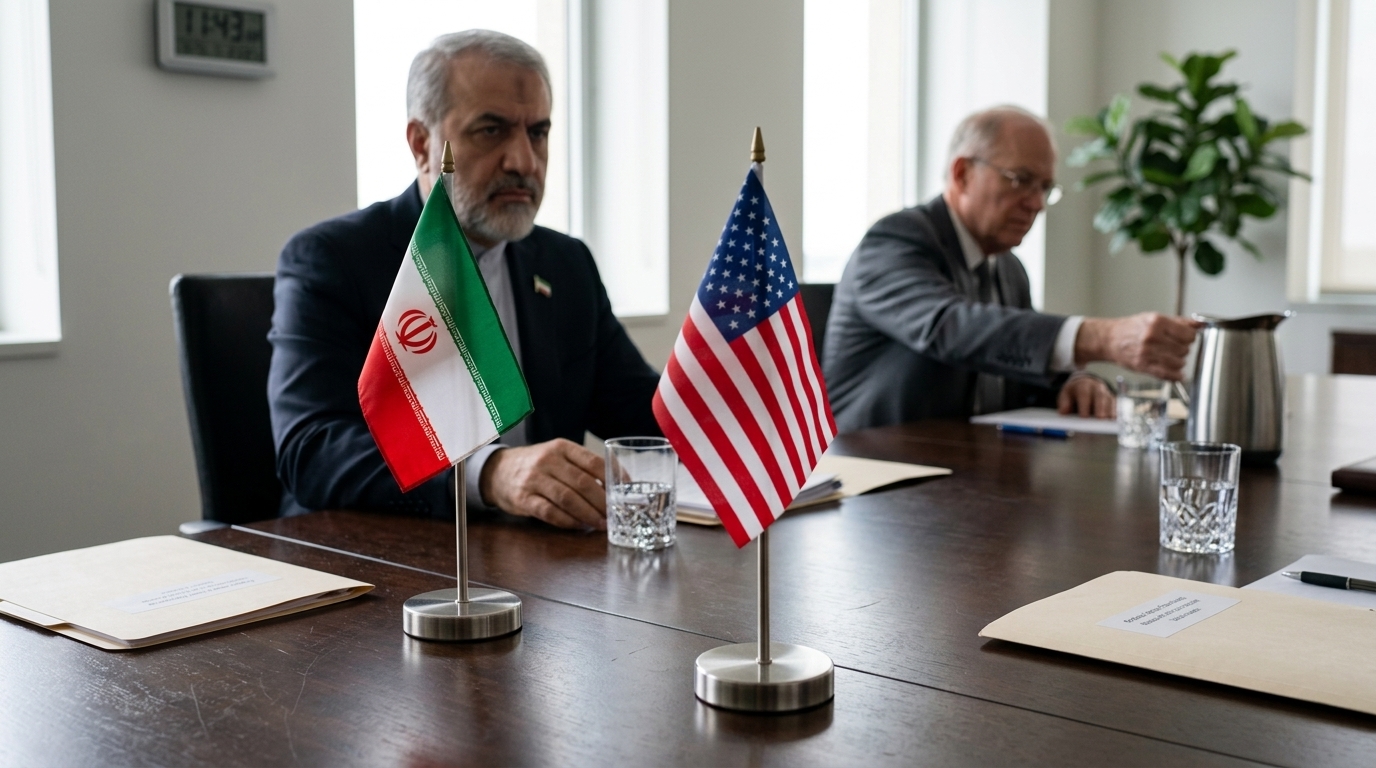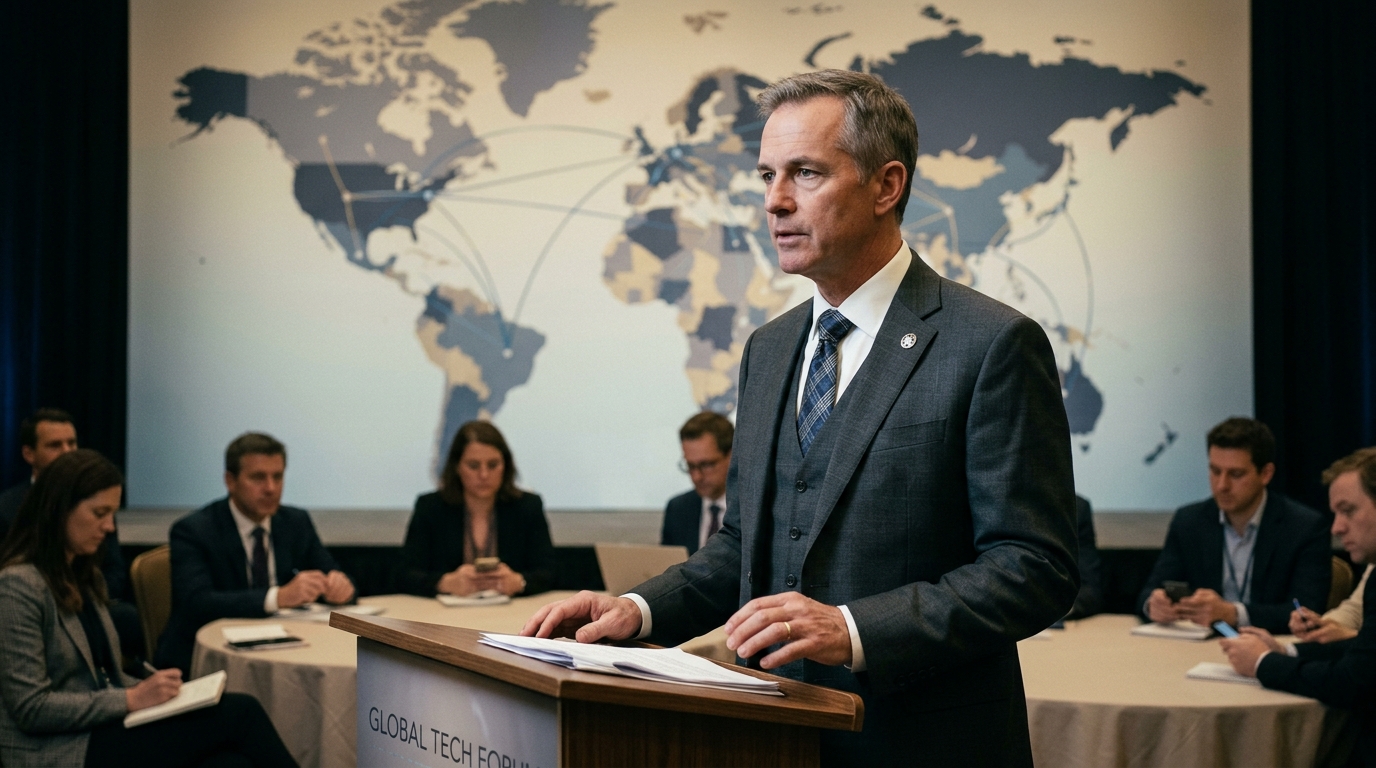
The geopolitical chessboard of semiconductors is trembling following a new revelation that highlights the fragile balance between national security and global trade. According to reports emerging on June 19, 2026, the US government, through Commerce Secretary Howard Lutnick, has expressed intense concern to the leadership of Dutch giant ASML Holding NV. The issue at hand? The possibility that one of the world's most sophisticated chip-making machines has found its way into China, circumventing strict export controls.
ASML, the sole manufacturer of Extreme Ultraviolet (EUV) lithography machines, stands as the central pillar of global advanced semiconductor production. Without these machines, manufacturing chips below the 5-nanometer threshold is practically impossible. Washington's anxiety is not merely about economic competitiveness; it is primarily about military supremacy, as next-generation AI processors are directly dependent on this hardware.
The Strategic Pressure of Howard Lutnick
Howard Lutnick, assuming a role that blends commercial diplomacy with aggressive protection of American interests, appears to have presented ASML with specific evidence suggesting "leakage." While details remain classified, analysts speculate the concern involves high-end Deep Ultraviolet (DUV) machines or even components of the new High-NA EUV series. The Trump administration has made it clear that technology transfer to China is a red line, threatening further restrictions that could severely impact the Dutch company's revenue streams.
ASML’s response has been measured but firm. The company maintains that it complies fully with all international regulations and possesses robust systems for monitoring end-users. However, the complexity of the global supply chain and the existence of a "gray market" for used equipment make absolute control an arduous task.
The Hague’s Dilemma and Chinese Resilience
The Dutch government finds itself in a familiar, yet increasingly difficult, position. On one hand, ASML is the crown jewel of its national economy, and US pressure is often viewed as an infringement on national sovereignty. On the other hand, the Netherlands is a NATO member reliant on the US security umbrella. The Hague must decide whether to align fully with the "decoupling" doctrine promoted by Washington or seek a middle path.
Meanwhile, Beijing is not sitting idle. Despite sanctions, China’s SMIC (Semiconductor Manufacturing International Corp) has demonstrated a remarkable ability to produce 7nm chips using older DUV technology through multi-patterning techniques. The possibility that they have gained access to more modern tools would represent a massive leap for Chinese military and industrial autonomy.
"Technology is no longer just trade; it is the new form of nuclear deterrence. Whoever controls lithography controls the future of intelligence," noted a senior diplomat in Brussels.
Market Implications and the Road Ahead
The uncertainty surrounding ASML’s exports has already caused tremors in the stock markets. Investors fear that if the US imposes unilateral sanctions—such as the Foreign Direct Product Rule—ASML could lose a massive portion of the Chinese market, which accounts for a significant share of its orders for legacy systems. Furthermore, there is the risk of retaliation from China, which controls the processing of critical raw materials like gallium and germanium, essential for global semiconductor production.
In conclusion, the US warning to ASML is not just a bureaucratic procedure. It is a confirmation that technology has become the primary battlefield of 21st-century geopolitics. The outcome of this confrontation will determine not only the trajectory of ASML but also whether the world will split into two entirely separate technological ecosystems.