In a move that has stunned the international diplomatic community, President Donald Trump has undertaken a radical overhaul of U.S. policy toward Tehran. The signing of a 14-point Memorandum of Understanding (MOU) with Iranian President Masoud Pezeshkian on June 17, 2026, is not merely a diplomatic feat; it is a total deconstruction of the "Maximum Pressure" strategy that Trump himself inaugurated during his first term. The agreement stipulates the phased removal of all U.S. sanctions, clearing the path for Iran's full reintegration into global markets.
The End of "Maximum Pressure"
For decades, sanctions served as Washington's primary tool for curbing Iran's nuclear ambitions and regional influence. Trump's decision to abandon this approach is rooted in the conviction that a "Grand Bargain" is preferable to a perpetual confrontation that pushes Tehran into the embrace of Beijing and Moscow. The MOU includes commitments to ceasefires in regional conflicts and, most crucially, the use of the U.S. dollar in Iran's future energy transactions.
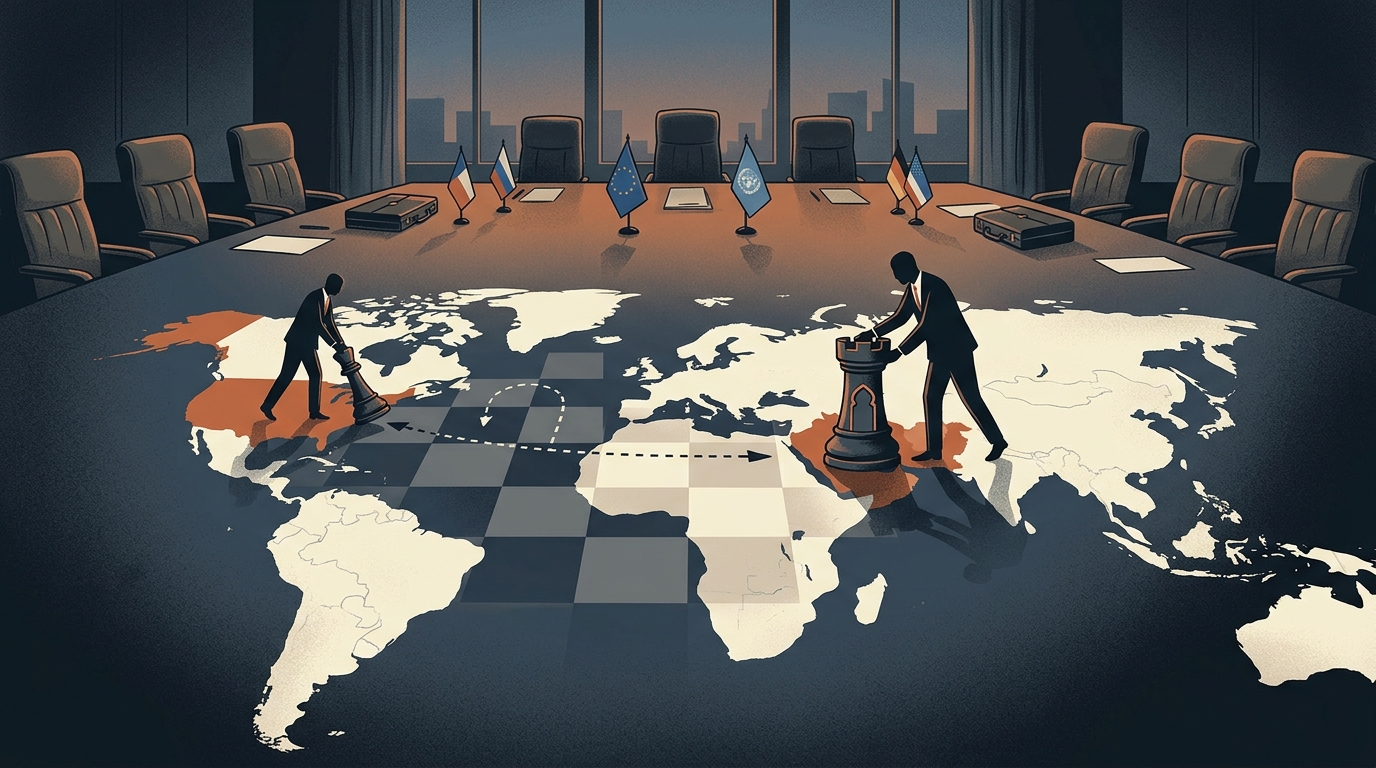
This strategic shift is interpreted by many analysts as an attempt by the Trump administration to regain control over global oil flows while simultaneously undermining BRICS nations' efforts toward de-dollarization. By reintegrating Iran into the international financial system under U.S. oversight, Washington hopes to stabilize energy prices and weaken the strategic Iran-Russia alliance that has strengthened in recent years.
Energy Markets and the Petrodollar
The economic dimension of the deal is immense. Iran holds some of the world's largest oil and gas reserves, which have remained largely untapped due to export restrictions. With sanctions lifted, Tehran is expected to flood the market with millions of barrels per day, a move that could lead to a significant drop in global crude prices.
- Full lifting of sanctions on the banking and energy sectors.
- Reintegration of Iran into the SWIFT system.
- Commitment to sell oil exclusively in U.S. dollars.
- Investment by U.S. companies in Iranian extraction infrastructure.
However, this economic "normalization" comes with serious questions. The return of Iranian oil could cause friction within OPEC+, as Saudi Arabia and Russia see their market shares threatened. Furthermore, Tehran's use of the dollar represents a bitter concession for Iranian hardliners who invested political capital in distancing the country from the Western monetary system.
The Middle Eastern Chessboard
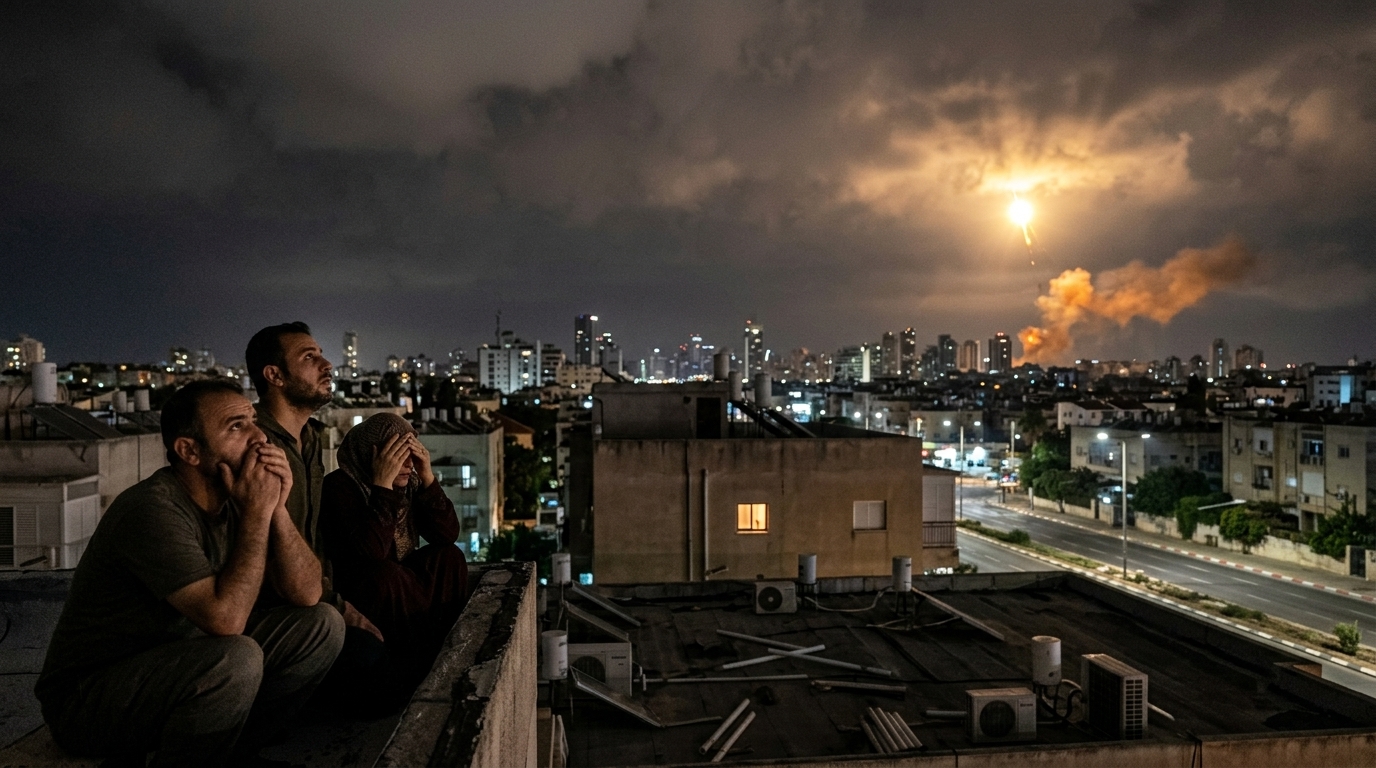
Traditional U.S. allies in the region, most notably Israel and the Gulf states, are watching developments with palpable concern. For the Israeli government, lifting sanctions without the total dismantling of Iran's nuclear program constitutes an "existential threat." Critics of the deal argue that the influx of billions of dollars into the Iranian economy will inevitably fund Tehran's proxies in the region, such as Hezbollah and the Houthis.
"This is not peace; it is a transaction that buys time at the expense of our allies' security," a senior Israeli diplomatic official stated.
On the other hand, the Trump administration maintains that the MOU includes strict oversight mechanisms and that Iran's economic dependence on the dollar and U.S. investment will act as a more potent deterrent than any sanction. This new security architecture seeks to transform Iran from a "pariah state" into a responsible regional player, though the chances of success remain uncertain.
A New Security Architecture?
In conclusion, Trump's move represents the biggest gamble of his foreign policy. If the deal holds, it could completely reshape the balance of power in Eurasia. However, if it fails, the collapse will be resounding, leaving the region more unstable than ever. The question remains whether Pezeshkian can control hardliners within Iran and whether Trump can persuade Congress to accept such a radical 180-degree turn.