In a pivotal moment for Middle Eastern geopolitical stability, President Donald Trump has announced that his administration is reviewing a fresh diplomatic overture from Iran aimed at de-escalating the conflict that has effectively choked shipping through the Strait of Hormuz. Despite the gravity of the 14-point proposal, Trump maintained his characteristic skepticism, telling reporters that while the document is under scrutiny, he "can’t imagine that it would be acceptable" under current conditions.
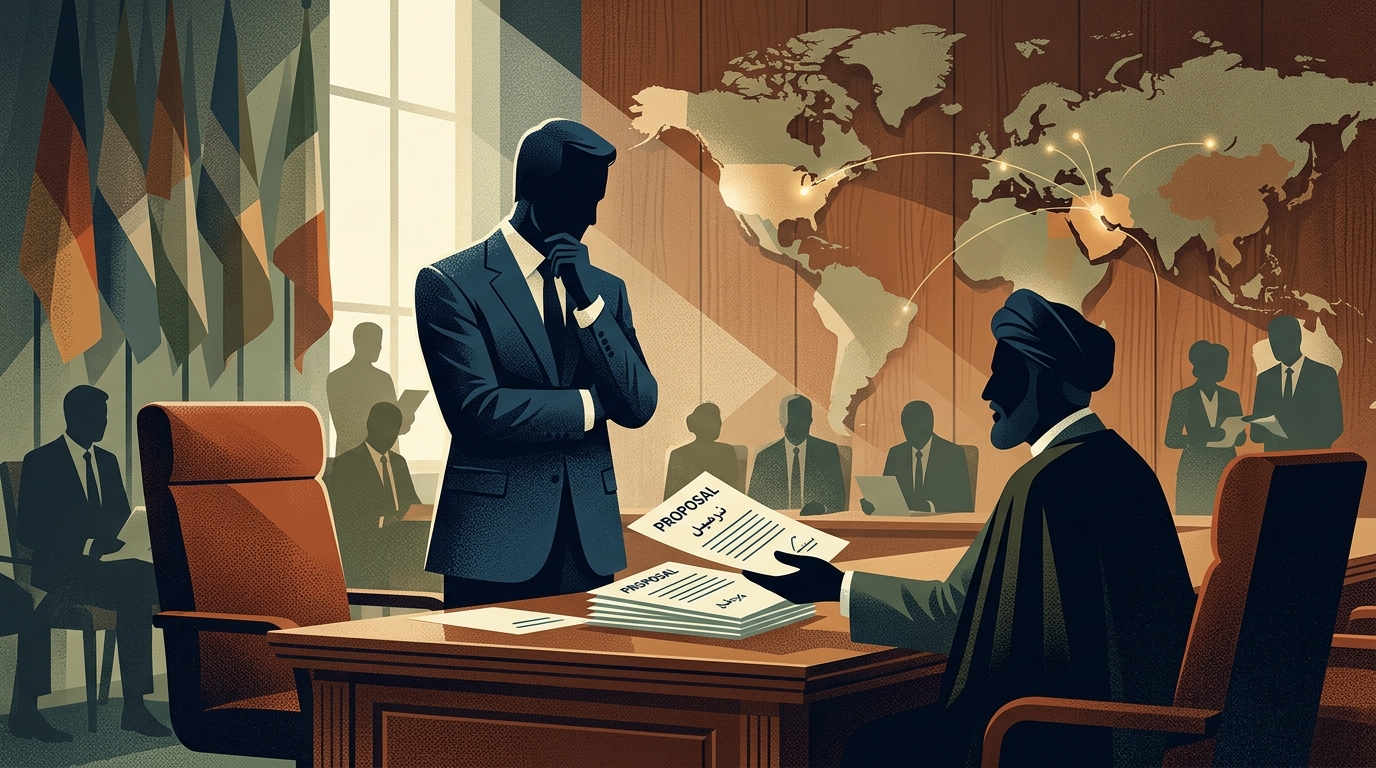
The proposal, reportedly delivered via Pakistan—which serves as the primary diplomatic conduit between the two nations—comes as a counter-response to a previous 9-point U.S. framework. That American plan demanded the total demilitarization of the Strait and the cessation of Tehran's support for regional proxies. This exchange of documents marks the first substantive, albeit indirect, diplomatic contact since tensions spiked in early 2026, leading to a volatile standoff in one of the world's most vital maritime arteries.
The 14-Point Gambit and Tehran's Strategic Calculus
According to reports from semi-official Iranian news agencies Tasnim and Fars, the proposal from Tehran is more than just a list of demands; it is a complex geopolitical equation. At its core is the immediate lifting of economic sanctions that have crippled the Iranian economy, in exchange for a guaranteed flow of oil through international waters. However, Iran appears steadfast in maintaining its defensive posture and its influence within the so-called "Axis of Resistance."
Analysts suggest that Iran is employing a tactic of "active defense," pairing the threat of a Hormuz blockade with diplomatic appeals to the international community. The choice of Pakistan as a mediator is strategic. Islamabad, balancing its ties with Riyadh and Washington, is desperate to avoid a full-scale war that would destabilize South Asia. The 14-point plan is also rumored to include clauses regarding cybersecurity and the use of AI in military applications—fields where Tehran has made significant strides to counter Western technological superiority.
"This isn't just a peace treaty; it's an attempt to redefine the balance of power in the Persian Gulf. Iran knows Trump wants a 'Grand Bargain,' but the price Tehran is asking may be too steep for the Republican base to swallow," noted a senior diplomatic analyst in Washington.
The Trump Response and the 'America First' Doctrine 2.0
Donald Trump’s stance remains rooted in his "Maximum Pressure" philosophy. While he has repeatedly stated his desire to avoid another "endless war" in the Middle East, his demand for a deal that secures American interests without compromise is non-negotiable. His assertion that the proposal is likely unacceptable suggests that Iran’s terms—specifically the sequencing of sanction relief before full denuclearization—remain the primary sticking point.
In this context, Washington has bolstered its regional presence with autonomous surveillance systems and AI-driven monitoring of the Strait. The Trump administration seems to be betting that time is on its side, as internal pressures within Iran mount due to hyperinflation and shortages of essential goods. However, the global energy market remains on edge, with crude prices exhibiting extreme volatility following every statement from the White House.
Implications for Global Shipping and the Economy
The crisis in the Strait of Hormuz is not merely a military standoff; it is an existential threat to global commerce. Roughly 20% of the world’s oil consumption passes through this narrow waterway. Iran's proposal reportedly contains guarantees against the harassment of commercial vessels, provided the U.S. scales back its naval footprint. This point is a non-starter for the Pentagon, which views freedom of navigation as a cornerstone of U.S. national security.
Furthermore, the integration of AI into crisis management has shifted the landscape. Risk-prediction algorithms used by insurance giants have sent tanker premiums skyrocketing, making oil transport through the Gulf prohibitively expensive for many operators. A failure in these negotiations could trigger a new energy shock, testing the resilience of a global economy still grappling with the inflationary echoes of the mid-2020s.
Ultimately, the 14-point proposal represents an opening that proves diplomacy is not yet dead, but the path to a lasting agreement remains heavily mined. Trump, acting as the ultimate dealmaker, appears to be laying the groundwork for a hardline counter-offer, hoping that Iran’s economic desperation will eventually force its leadership into more significant concessions.