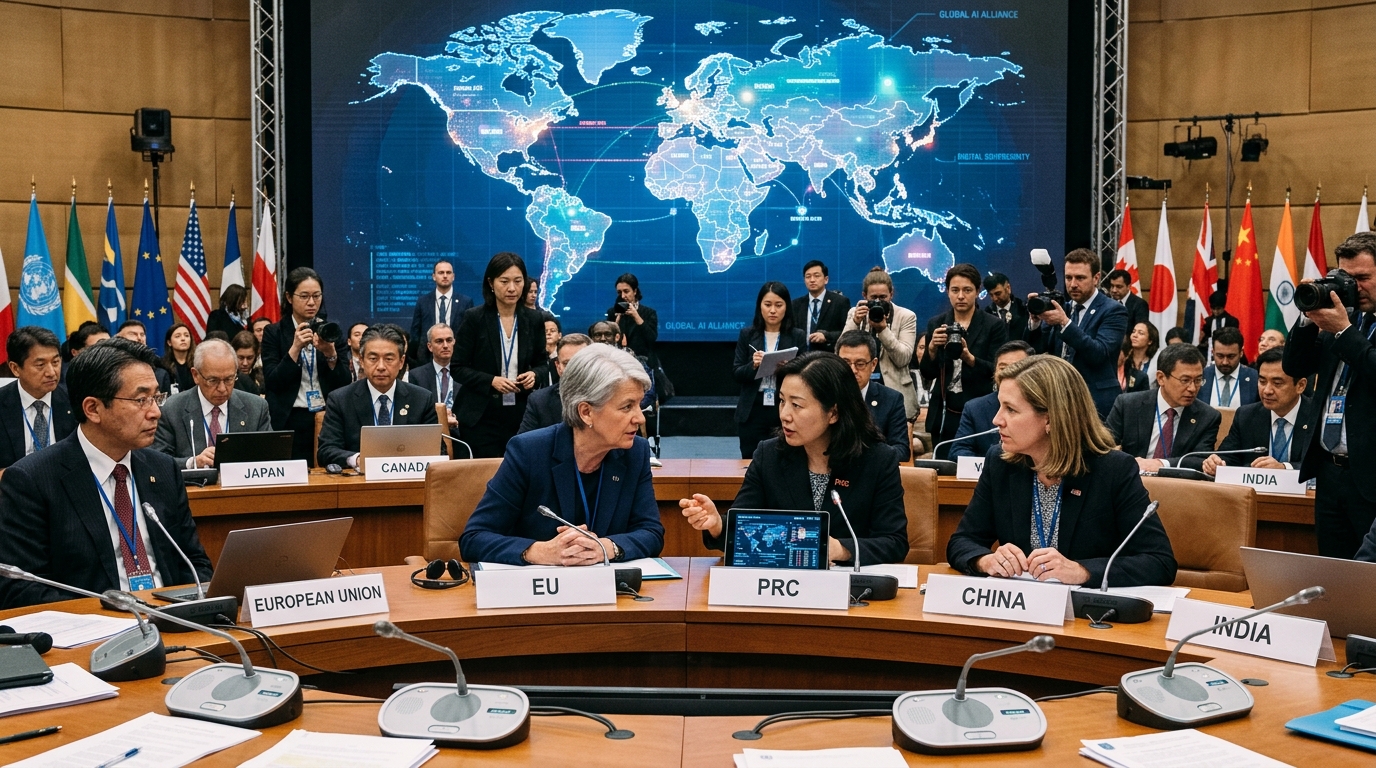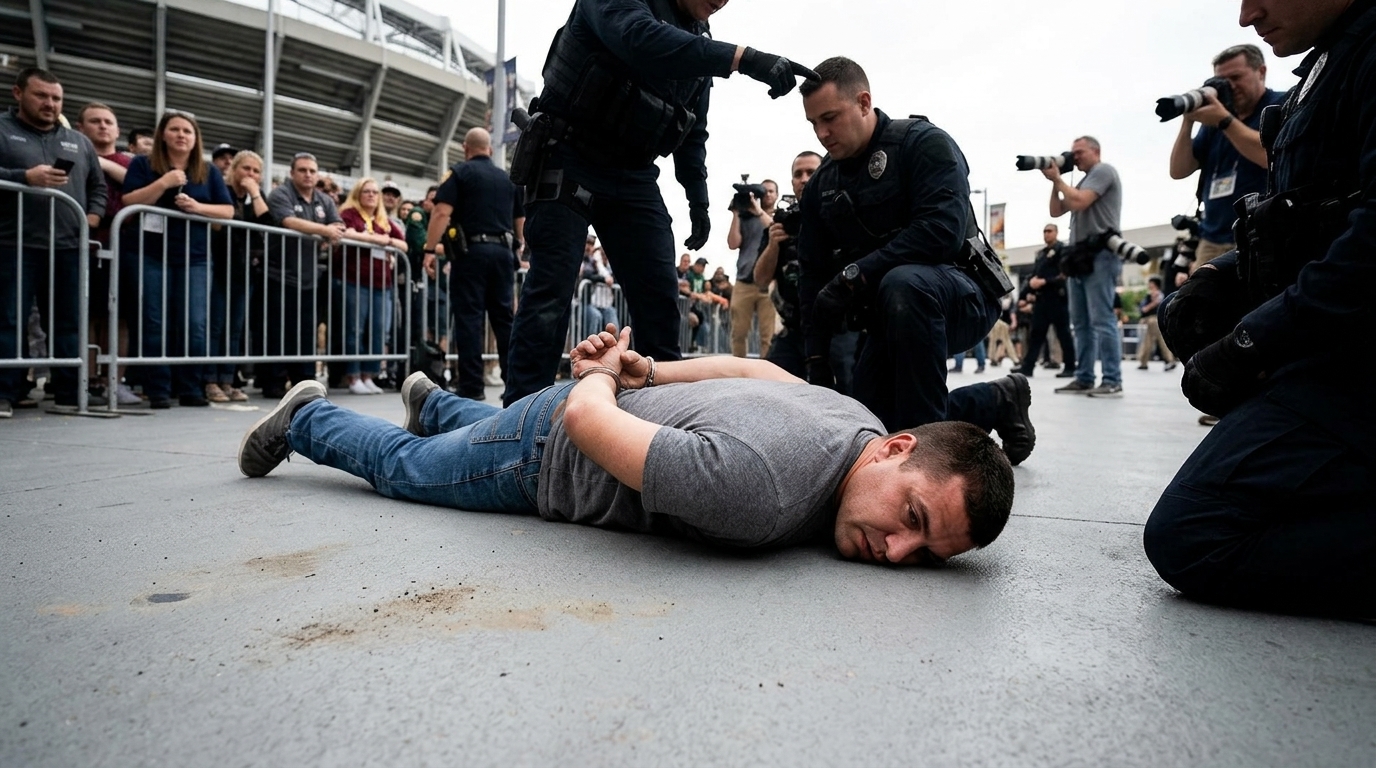
Washington D.C. finds itself once again at the epicenter of a global firestorm as details emerge from the attack at the White House Correspondents' Association (WHCA) event. The incident, which occurred in the presence of Donald Trump, was not merely a security breach but a raw reminder of the fragile state of American democracy in 2026. The perpetrator, 31-year-old Cole Thomas Allen from Torrance, California, managed to turn a night of political civility into a scene of chaos and terror.
The Chronology of Chaos: From Glamour to Panic
The event, which traditionally brings together the elite of journalism, politics, and entertainment, began with its expected grandeur. However, the atmosphere became electric when the first shots were heard near the security perimeter. According to eyewitnesses, the panic was instantaneous. Secret Service agents reacted with lightning speed, covering the former president and whisking him out of the room, while attendees sought cover under tables.
Videos circulating on social media capture the raw reality of the attack: screams, the sound of breaking glass, and the commands of security forces echoing through the corridors. The speed at which the situation escalated highlights the gaps that remain in executive protection protocols, despite repeated assurances to the contrary.
The Attacker's Profile: Who is Cole Thomas Allen?
The identification of 31-year-old Allen as a "lone wolf" opens a new cycle of discussion regarding domestic radicalization in the US. Allen, a resident of Torrance, had no significant prior criminal record, a fact that makes his actions even more concerning for intelligence agencies. Initial investigations into his digital footprint reveal a man immersed in conspiracy theories and political extremism, who appears to have acted without direct guidance from any organized group.
The "lone wolf" phenomenon represents the greatest nightmare for security authorities, as the absence of communications with accomplices makes the prevention of such attacks nearly impossible. Allen's case highlights the failure of social and psychological safety nets in California and beyond, as a young man was led to the belief that violence was the only outlet for his political convictions.
Geopolitical and Domestic Implications
This attack is not an isolated criminal event; it is a geopolitical symptom. In a midterm election year, violence against political leaders undermines the stability of the world's sole superpower. US allies are watching with bated breath, wondering if Washington can guarantee its internal peace, let alone global security.
- Security Overhaul: A drastic increase in funding for the Secret Service and stricter controls at public events are expected.
- Political Polarization: Instead of unity, the attack seems to be deepening the divide, with both sides trading accusations over the hate speech that fuels such actions.
- Gun Legislation: The issue of firearm access for individuals with unstable psychological states is once again urgently in the spotlight.
The Day After for Democracy
The image of journalists and politicians running for their lives will remain etched in the collective memory. Allen's attack is a warning that speech and action on the US political stage have reached a dangerous tipping point. If the country's leadership fails to find common ground in condemning violence, regardless of ideological origin, then the "Washington model" risks collapsing from within.
"Violence is never the solution, but when rhetoric becomes a weapon, real weapons are never far behind," a security analyst stated hours after the incident.
The question that remains unanswered is whether Cole Thomas Allen was truly alone or if he represents the first wave of a broader social explosion that America refuses to face head-on.