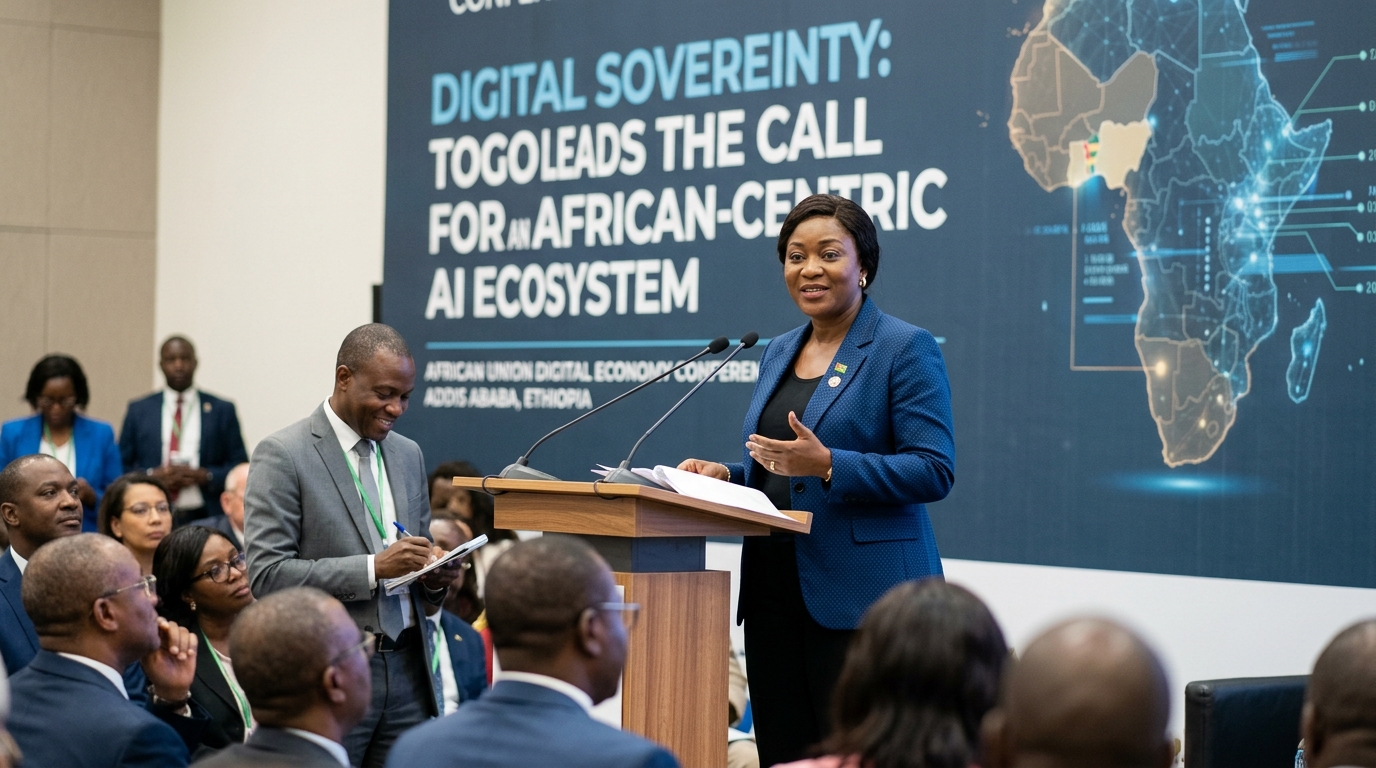
At a decisive juncture for the continent's technological destiny, Togo’s Minister of Digital Transformation and Digitalization, Cina Lawson, has issued a powerful mandate to the international community and African leaders: Africa can no longer remain a passive consumer of technology but must emerge as a sovereign creator of Artificial Intelligence (AI) systems. This intervention, delivered amidst recent high-level diplomatic and tech summits, highlights the critical necessity of building domestic capacities that reflect the unique challenges and cultural diversity of the continent.
The Data Challenge and Digital Colonialism
The core of Lawson’s argument focuses on the threat of what many analysts term "digital colonialism." Currently, the vast majority of Large Language Models (LLMs) are trained on datasets predominantly sourced from the Global North. This results in systems that frequently overlook African languages, social structures, and economic realities. "If we do not train models with our own data, we will end up with an AI that does not understand us and, worse, misinterprets us," the Minister emphasized.
Togo has already set a precedent with the Novissi initiative, a social welfare program that utilized AI and satellite imagery to identify and support the most vulnerable citizens during the pandemic. However, Lawson argues that such successes must be scaled continent-wide through the construction of local data centers and the strict enforcement of data sovereignty. Without localized infrastructure, African data remains a raw material exported for the profit of foreign entities.
Infrastructure and Education: The Two Pillars of Growth
To achieve this transition, massive investments are required in two specific areas: physical infrastructure and human capital. The persistent lack of stable electricity and high-speed broadband in many parts of Africa remains the primary bottleneck. Lawson calls for a coordinated effort to build computational power within the continent, ensuring that African developers are not tethered to servers located in Europe or North America.
Simultaneously, education is the key to long-term sustainability. Africa possesses the world's youngest population—a "demographic dividend" that could fuel the global tech industry. The challenge lies in creating conditions that prevent "brain drain" to the West. The Minister proposes the establishment of regional AI centers of excellence, where young scientists can develop solutions for agriculture, healthcare, and governance while having access to state-of-the-art resources. The goal is to transform Africa from a talent exporter to an innovation hub.
Geopolitical Implications and the AU Strategy
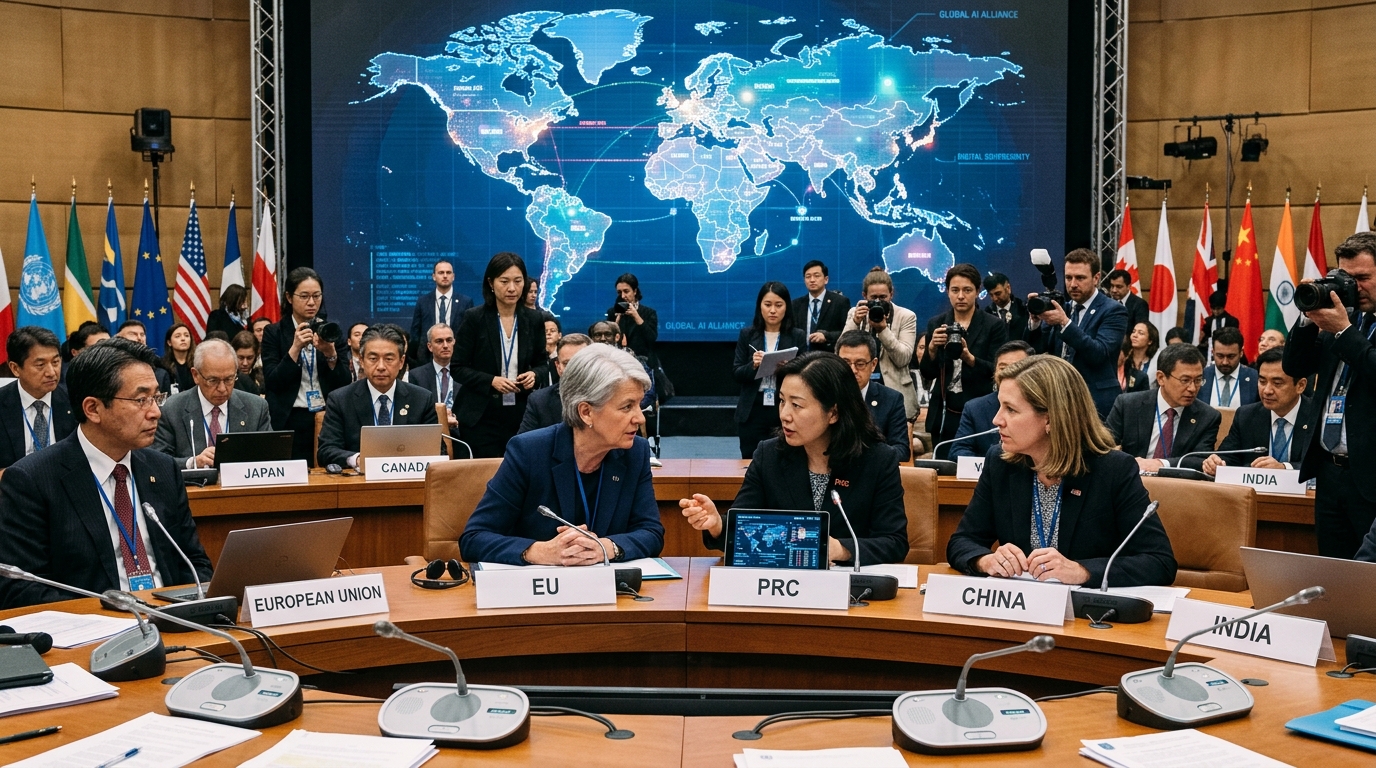
Togo's call arrives as the African Union (AU) finalizes its own comprehensive AI strategy. The geopolitical dimension is stark: Africa is increasingly a theater for power competition between the US and China, with both superpowers offering infrastructure in exchange for market access and data. Lawson advocates for a "third way," rooted in collaboration and autonomy rather than dependency.
This strategy requires unified regulatory frameworks that protect citizen privacy while fostering innovation. Harmonizing data laws across the continent would allow for a single digital market, capable of competing on a global scale. "Artificial Intelligence is the new frontier of our independence," Lawson concludes, stressing that digital freedom is as vital as the political liberation achieved in the last century.
Conclusion: From Theory to Practice
Cina Lawson’s call is not merely a political declaration; it is a blueprint for action. Togo’s success in integrating technology into public administration serves as a proof of concept for what is possible. However, without international support and the collective political will of neighboring states, the risk of Africa being left behind in the AI race is significant. The stakes are not just economic growth, but the very identity and self-determination of an entire continent in the digital age.