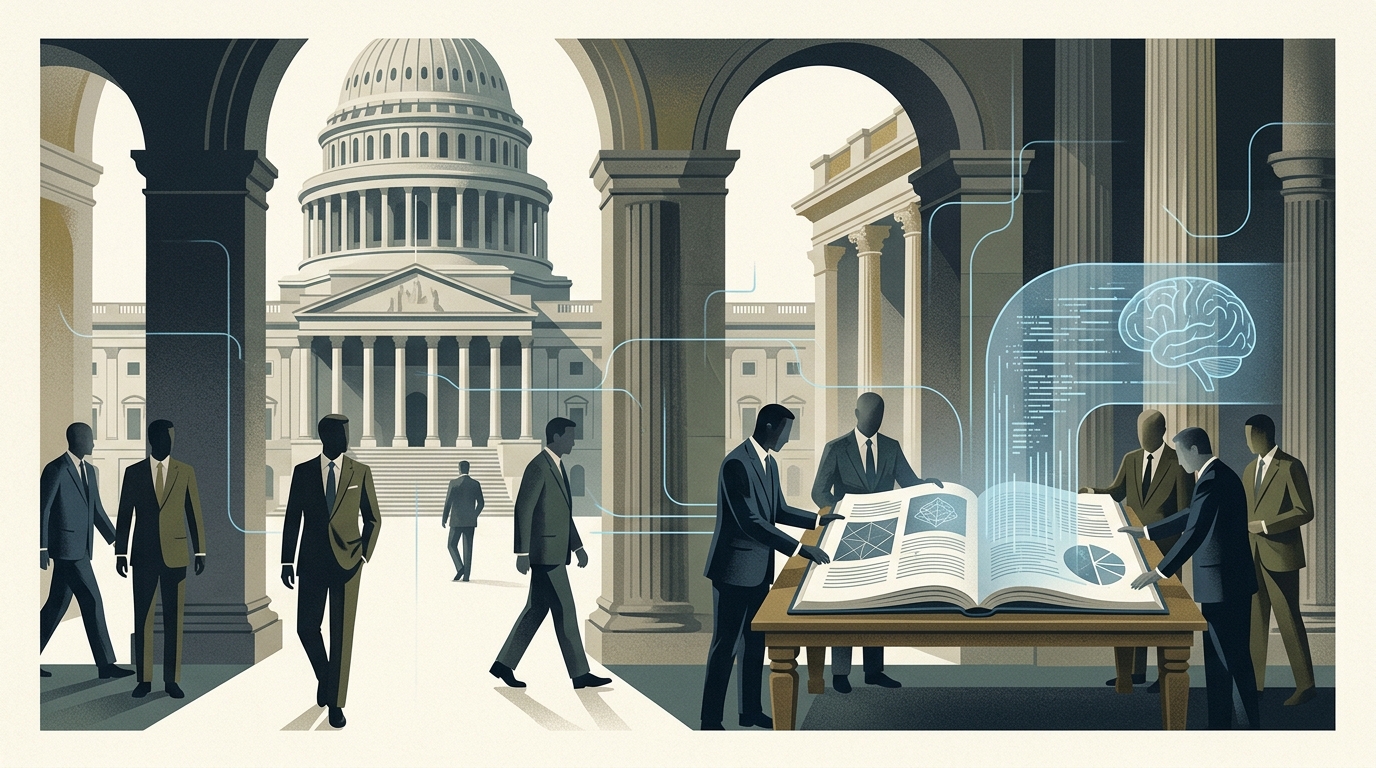
The South Korean government's decision to block the use of the Chinese AI tool DeepSeek on all official government computers and networks is more than a mere technical adjustment. It is a definitive statement in the new world order, where code and data have become the new frontiers of national sovereignty. South Korea's National Intelligence Service (NIS) issued the directive following a rigorous security audit, citing grave concerns over the potential leakage of sensitive state information to servers controlled, directly or indirectly, by Beijing.
The Rise of DeepSeek and Beijing's Shadow
DeepSeek, developed by the Chinese firm of the same name, sent shockwaves through the global AI community due to its remarkable efficiency and significantly lower training costs compared to American counterparts like OpenAI's GPT-4. However, for Seoul, technological prowess takes a back seat to security. The primary argument from South Korean authorities centers on the possibility of 'backdoors' that could allow for the theft of state secrets or the monitoring of government employees' activities.
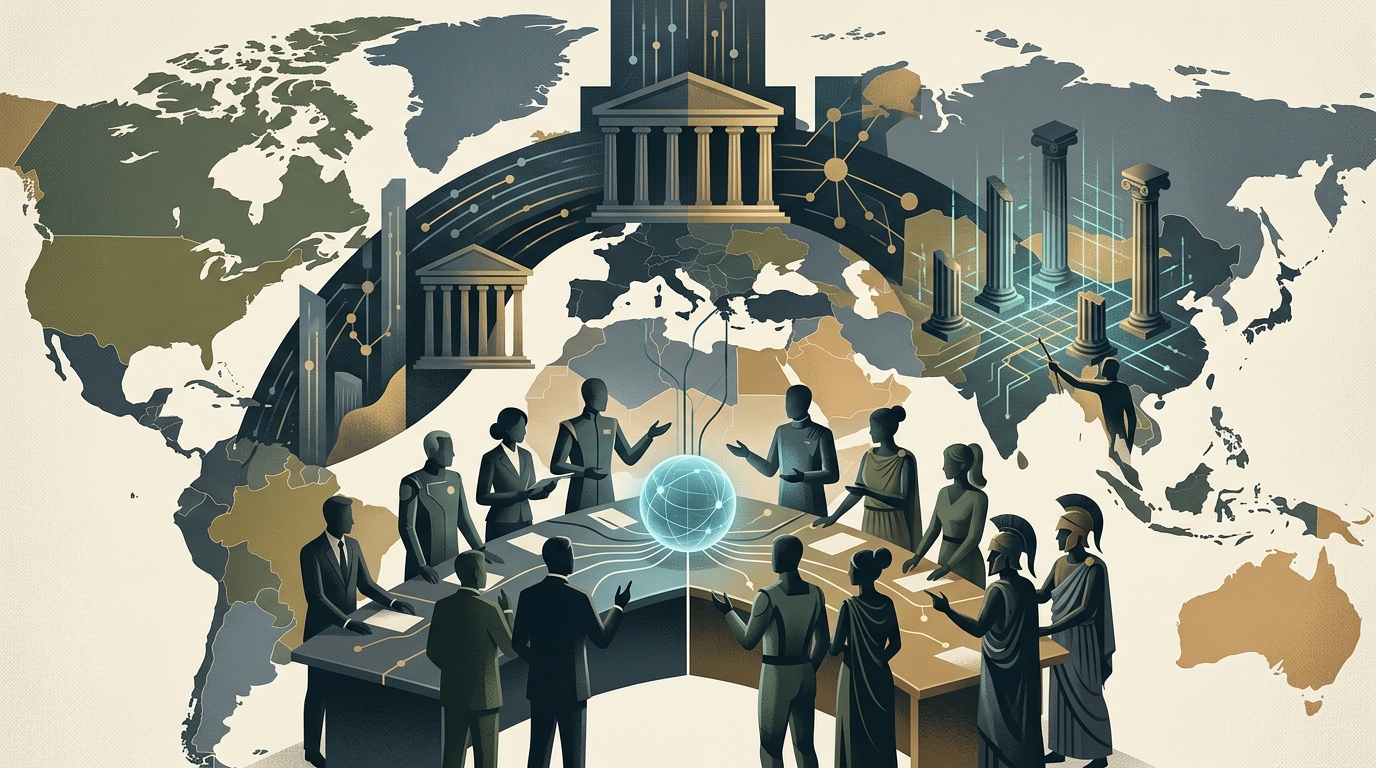
South Korea, as one of Washington's closest allies in Asia and a technological powerhouse in its own right, finds itself in an incredibly delicate position. This ban reflects the broader U.S. strategy of containing Chinese technological influence—a strategy that Seoul now appears to be adopting with increasing vigor. Analysts suggest that this move could be a precursor to similar bans in other allied nations, effectively creating a 'Digital Iron Curtain' that divides the world of AI into two distinct camps.
The Geopolitical Chessboard and Digital Sovereignty
The issue extends far beyond data protection; there is a deeper economic and political dimension at play. South Korea is investing billions into developing its own 'Sovereign AI,' with companies like Naver and Kakao leading the charge. By excluding Chinese competition from the public sector, the government creates a protected environment for domestic models, thereby bolstering the national tech industry.
- Protection of sensitive data from foreign espionage.
- Strengthening the domestic AI market and local providers.
- Alignment with the geopolitical priorities of the United States.
- Establishment of strict protocols for foreign software in critical infrastructure.
On the other hand, Beijing has already expressed its dissatisfaction, speaking of 'discrimination' and the 'politicization of technology.' China maintains that DeepSeek is an innovation tool that should be accessible to everyone, regardless of nationality. However, the lack of transparency regarding data management by Chinese firms, coupled with Chinese laws requiring companies to cooperate with intelligence services, makes these claims less persuasive to the international community.
The Future of AI Collaboration
South Korea's move raises a critical question: Can AI remain a global, collaborative endeavor, or will it inevitably become a weapon in the hands of nation-states? As AI models become more powerful, their ability to influence public opinion, analyze strategic intelligence, and manage infrastructure makes them vital components of national defense. The ban on DeepSeek in Seoul is perhaps just the beginning of a long period of technological isolationism, where trust will be the rarest and most valuable commodity in the tech market.
"In the 21st century, data security is border security. Whoever controls the algorithms controls the future," stated a senior NIS official speaking on condition of anonymity.
In conclusion, South Korea is choosing the path of precaution, sacrificing access to a cost-effective and powerful tool for the sake of fortifying its state apparatus. The consequences of this decision will resonate far beyond the borders of the Korean Peninsula, impacting tech supply chains and diplomatic relations in East Asia for years to come.