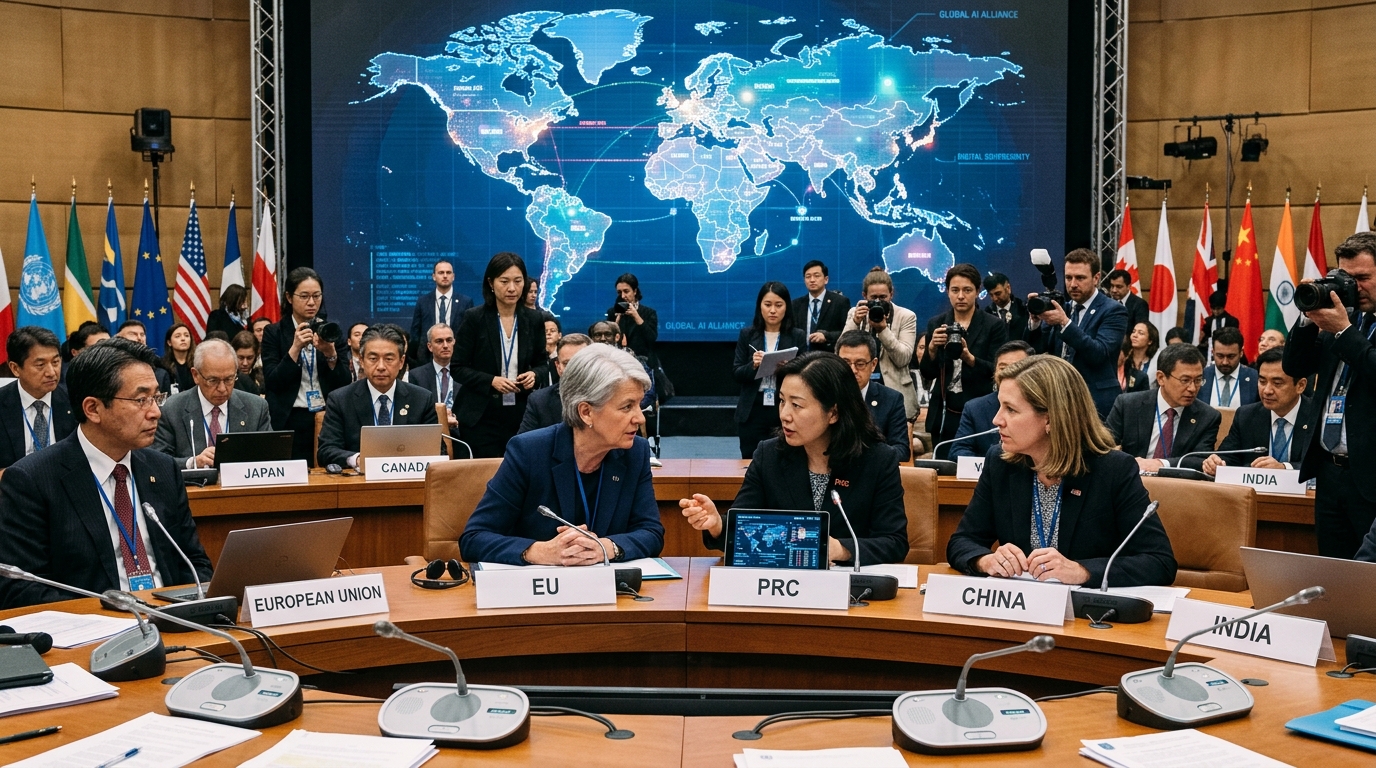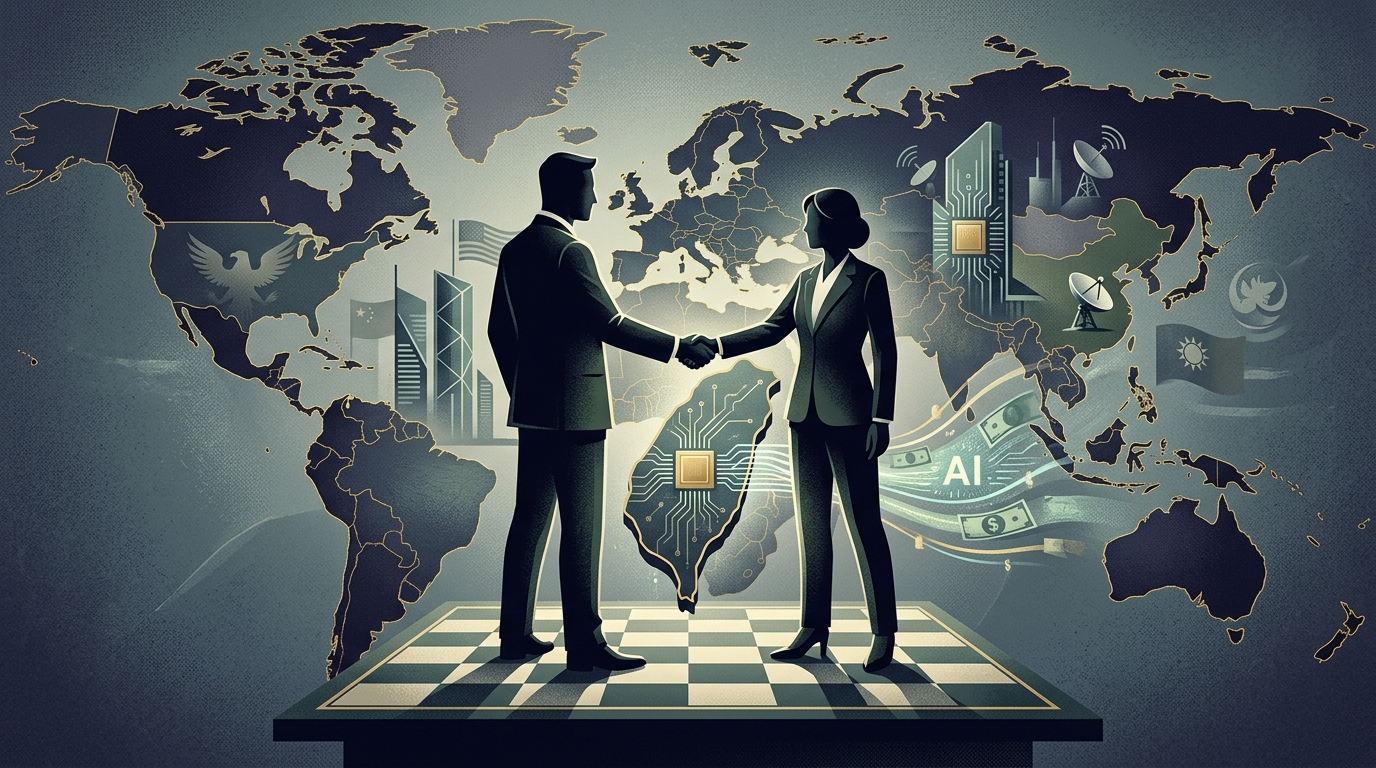
The global geopolitical chessboard of artificial intelligence is facing a critical juncture as of June 2, 2026. Recent reports indicate that at least seven prominent Chinese universities, known for their deep ties to the People’s Liberation Army (PLA) and the nation’s defense industry, are aggressively seeking to acquire Nvidia Corp’s H200 chips. These processors represent the pinnacle of AI performance currently allowed—under strict oversight—to be exported to China, making them the ultimate prize in an undeclared digital arms race.
The H200 Paradox: Performance vs. Compliance
Nvidia’s H200 is not merely a high-end component; it is the engine driving the world’s most sophisticated Large Language Models (LLMs) and autonomous decision-making systems. While the US government has imposed draconian restrictions on the export of top-tier Blackwell (B200) and H100 chips, the H200 was initially positioned to comply with the performance thresholds set by the US Department of Commerce. This allowed Nvidia to maintain its footprint in the lucrative Chinese market. However, the ability to cluster these chips into massive arrays allows Chinese scientists to bridge the performance gap, creating supercomputing clusters capable of advanced military simulations and offensive cyber operations.
The paradox lies in the friction between national security and corporate survival. While Washington aims to stifle China’s military rise, the economic reality forces American tech giants to find legal avenues for trade. The entities involved, often referred to as the "Seven Sons of National Defense," utilize complex procurement routes, often involving third-party distributors in neutral territories or shell companies, to secure the necessary hardware.
The 'Seven Sons' and the Defense Nexus
The universities under the spotlight of US intelligence are far from traditional academic institutions. Beihang University and the Harbin Institute of Technology, for instance, are the pillars of China’s aerospace and missile programs. Their persistence in acquiring H200 chips suggests a strategic pivot: China is no longer just focused on domestic semiconductor manufacturing—which remains years behind TSMC—but on the immediate utilization of American technology to train AI models for autonomous drones and electronic warfare systems.
- AI utilization for real-time satellite imagery analysis.
- Optimization of ballistic trajectories using machine learning.
- Development of next-generation cryptographic algorithms.
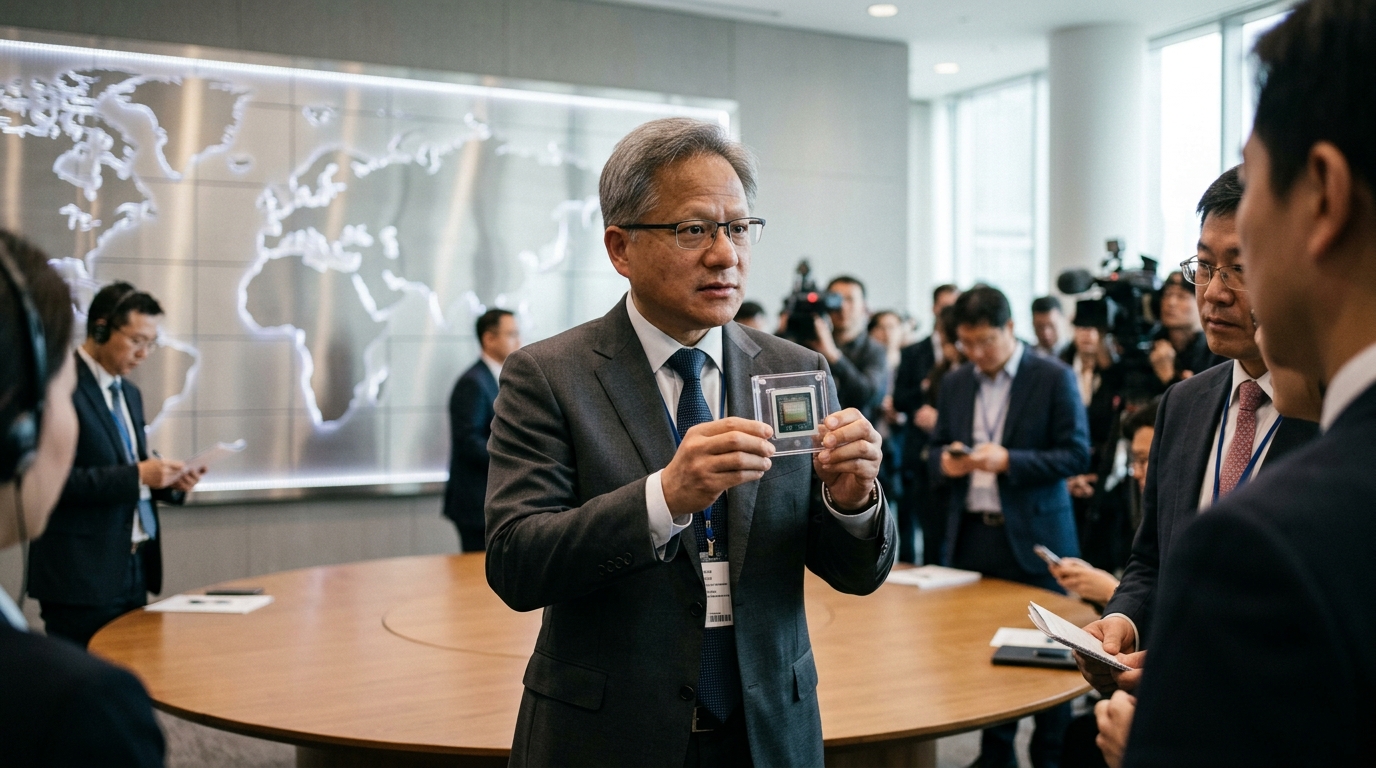
This revelation puts Nvidia in a precarious position. CEO Jensen Huang has repeatedly warned that losing the Chinese market would be a significant blow to American innovation, as revenue from the region funds the R&D for future generations of silicon. Yet, when that same silicon ends up in labs designing weaponry against US allies, commercial logic inevitably clashes with national security interests.
The Challenge of Enforcement and the Future of Controls
The fundamental question remains: are export controls effective in a hyper-connected world? The "gray market" for chips in China is flourishing, with prices often doubling or tripling compared to official retail. Furthermore, Chinese cloud providers offer access to Nvidia-powered compute via the internet, allowing military researchers to train models on servers located outside China, bypassing physical restrictions entirely.
"We cannot block the flow of knowledge and computing power in the same way we blocked the flow of steel in the 20th century," notes a Washington-based geopolitical analyst.
Looking ahead, Washington is expected to further tighten criteria, potentially banning any chip with high-speed interconnect capabilities. However, this could push China toward an even more aggressive policy of self-reliance, accelerating the development of domestic solutions like Huawei’s Ascend processors. While currently less efficient, these domestic alternatives are immune to foreign sanctions. The battle for the H200 chips is but one chapter in a long-term struggle for technological supremacy that will define the balance of power in the 21st century.