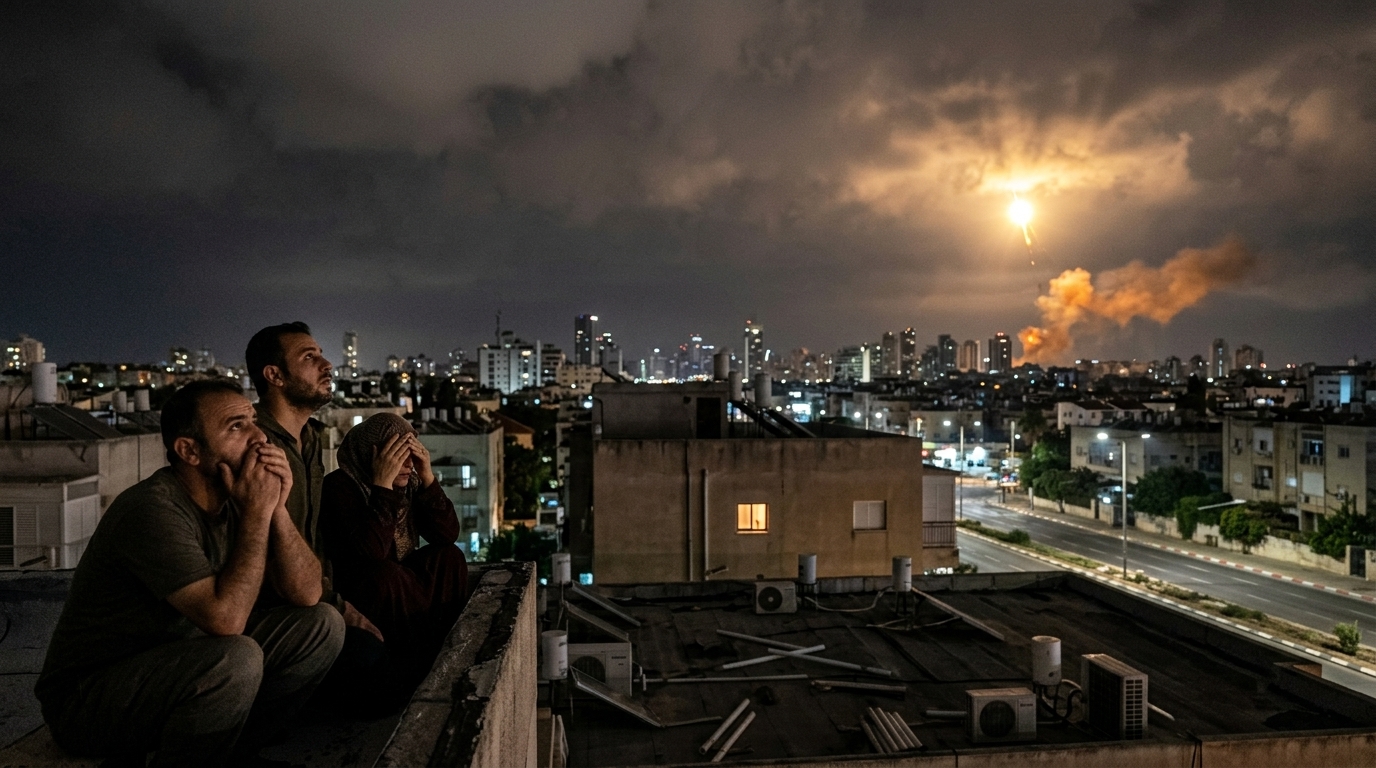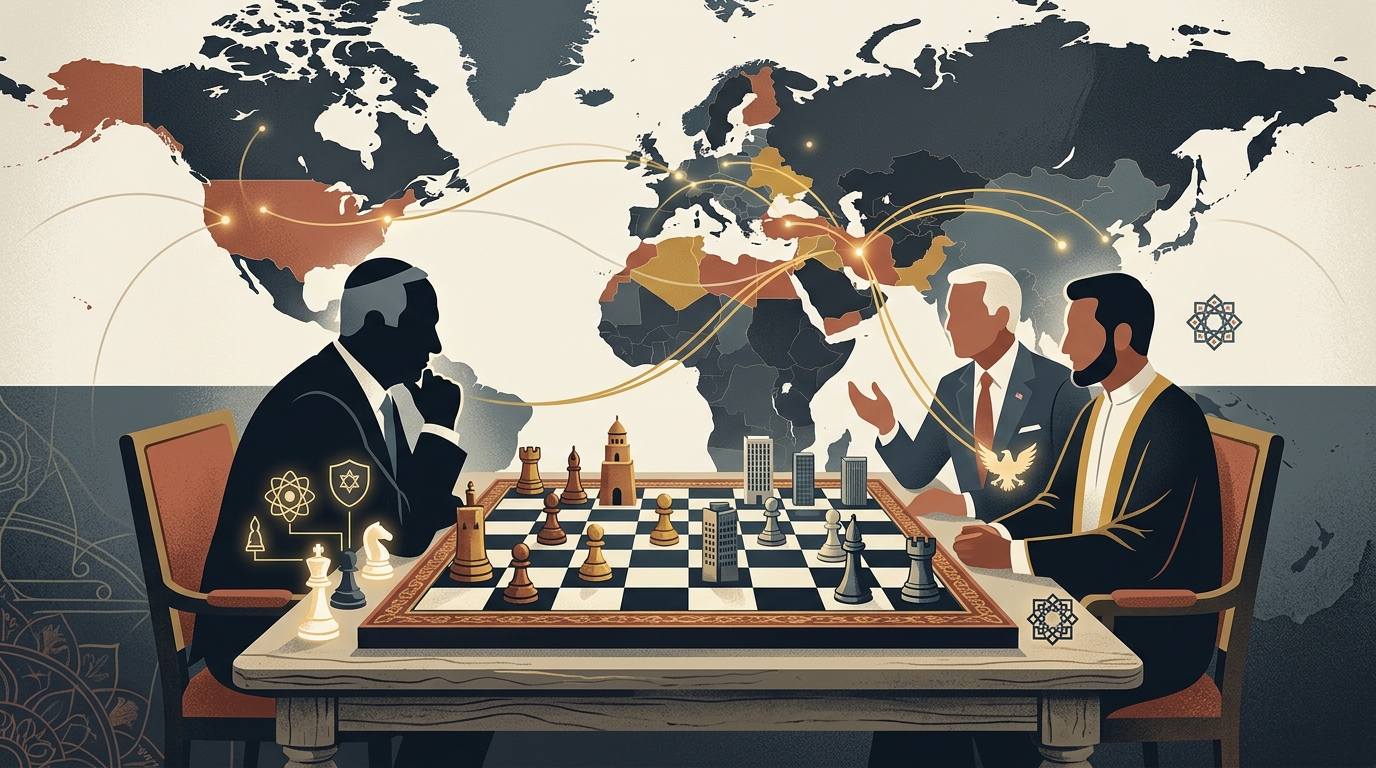
In a move that highlights the profound strategic rift between Jerusalem and Washington, Israeli Prime Minister Benjamin Netanyahu has urgently convened the National Security Council. The catalyst is none other than recent statements by U.S. President Donald Trump regarding the imminent signing of a Memorandum of Understanding (MoU) with Iran. This development, occurring in mid-2026, upends decades of established equilibrium and places Israel on high alert, as the "maximum pressure" of the past appears to be giving way to an unexpected diplomatic rapprochement.
The Strategy of the 'Deal' and Israel's Apprehension
For Benjamin Netanyahu, any agreement that does not provide for the complete dismantling of Iran's nuclear infrastructure constitutes an existential threat. In the briefing rooms of Kiryat HaMemshala, the atmosphere is described as somber. Reports suggest that the Israeli security establishment was blindsided by the speed of negotiations between the White House and envoys of Supreme Leader Ali Khamenei. Israel fears that the memorandum will offer Tehran a much-needed economic lifeline without ensuring the permanent cessation of its nuclear ambitions.
Israeli intelligence analysis focuses on the fact that Donald Trump, faithful to his "America First" doctrine, seeks to close Middle Eastern fronts to focus on systemic competition with China. However, for Israel, this U.S. "disengagement" from regional issues leaves the Jewish state exposed. Netanyahu, who has built a significant portion of his political career on resisting Iran, now finds himself in the awkward position of having to confront his closest ally.
The Content of the MoU and Geopolitical Shifts
While the details of the MoU remain partially classified, leaks point to a deal based on mutual de-escalation. The U.S. is reportedly willing to ease sanctions on oil exports in exchange for a freeze on uranium enrichment at levels below 60% and a halt to attacks by proxy organizations in the region. This "less for less" approach is exactly what Israel has been trying to avoid for years.
Furthermore, the timing of the agreement is critical. With the global economy strained by energy prices, stabilization in the Persian Gulf serves Washington's interests. But in Jerusalem, the reading is different: a wealthy Tehran means a stronger Hezbollah and a bolder Hamas. The security council is now considering all scenarios, including the intensification of "shadow operations" within Iranian territory to undermine the agreement in practice.
Internal Political Pressure and the Future of US-Israel Relations
Domestically, Netanyahu is facing pressure from both the right-wing flank of his government, which demands unilateral military action, and the opposition, which accuses him of alienating the Trump administration. Convening the security council also serves as a message to the domestic audience: that the Prime Minister remains the guardian of the country's security, even when international winds blow against him.
The big question for the remainder of 2026 is whether Israel will choose the path of confrontation with the White House or attempt to negotiate a "compensation package" in military equipment and security guarantees. History has shown that Netanyahu is a master of political survival, but the current situation, with a Trump determined to leave his mark as a "peacemaker," may be the greatest challenge of his career. The Middle East is once again at a turning point, where one's diplomacy is another's nightmare.