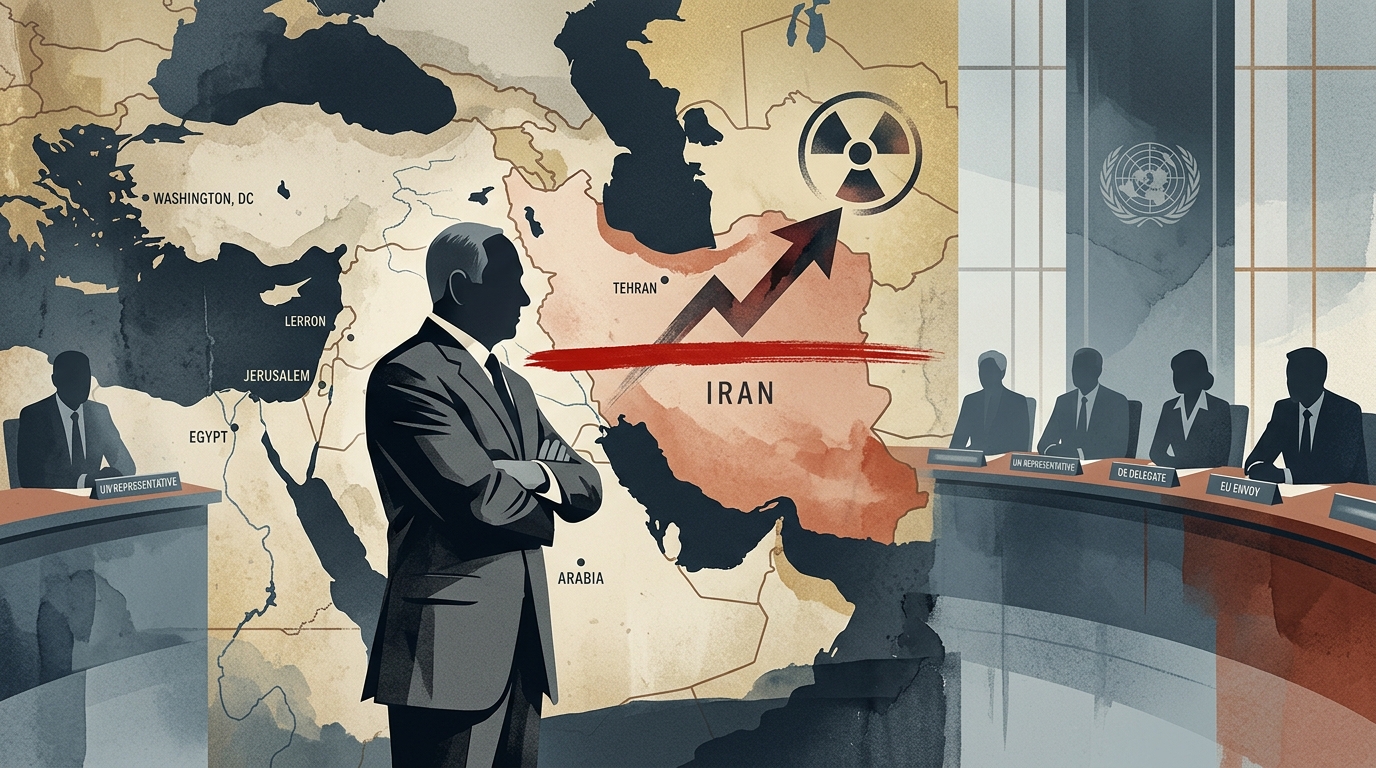
The geopolitical temperature in the Middle East is rising once again as Israeli Prime Minister Benjamin Netanyahu reiterates, in the most categorical terms, his core commitment: Iran will never obtain nuclear weapons as long as he is at the helm. This statement is not merely a political promise; it is a strategic doctrine that has defined Israel’s foreign policy for decades. Amid intense rumors of an imminent "quiet" or "interim" understanding between Washington and Tehran, Netanyahu is signaling both to his allies and his adversaries that Israel reserves the right to unilateral action.
The Doctrine of Zero Tolerance
For Israel, a nuclear-armed Iran is not just a regional threat but an existential challenge. Netanyahu has built much of his political career on warning about the dangers of the Iranian nuclear program. From the Israeli perspective, Tehran does not seek nuclear energy for peaceful purposes but as a means to project hegemony across the region and, ultimately, as a tool for the destruction of the Jewish state. Rhetoric from Iranian Supreme Leader Ali Khamenei, who frequently refers to Israel as a "cancerous tumor," reinforces these deep-seated fears.
Netanyahu’s stance is rooted in the "Begin Doctrine," which mandates that Israel will not allow any hostile state in the region to acquire weapons of mass destruction. This doctrine was put into practice in 1981 with the bombing of Iraq’s Osirak reactor and again in 2007 with the destruction of Syria’s Al-Kibar nuclear facility. Today, however, the challenge is far more complex. Iranian facilities are dispersed, buried deep underground, and protected by sophisticated air defense systems, making a surgical strike significantly more difficult than in previous decades.
The Friction with Washington
Despite the unbreakable strategic alliance between the United States and Israel, the two nations often diverge on the tactics required to handle Iran. The Biden administration, while officially committed to preventing a nuclear Iran, clearly prefers the diplomatic route. Reports of a "mini-deal"—which would involve Iran freezing its uranium enrichment at current levels in exchange for the release of billions of dollars in frozen assets—have caused significant anxiety in Jerusalem. Netanyahu argues that such arrangements offer only temporary relief while simultaneously funding Iran’s destabilizing activities through its proxies, such as Hezbollah and Hamas.
- Israel fears that any partial agreement grants legitimacy to the clerical regime in Tehran.
- Washington seeks regional stability to pivot its focus toward China and the ongoing conflict in Ukraine.
- Israeli intelligence (Mossad) continues its campaign of sabotage and cyber-warfare within Iranian borders.
Netanyahu’s critique is not just about the content of the potential deals, but the very process itself. He views any easing of sanctions without the total dismantling of enrichment infrastructure as a "historic mistake." Conversely, U.S. officials point out that since the U.S. withdrawal from the JCPOA in 2018—a move Netanyahu championed—Iran has moved closer than ever to producing weapons-grade fissile material, suggesting that the "maximum pressure" campaign has reached its limits of efficacy.
Domestic Politics and Geopolitical Balancing
One cannot ignore the domestic backdrop of Netanyahu’s assertions. He is currently facing unprecedented internal challenges, with massive protests against judicial reforms having polarized Israeli society. Focusing on the "Iranian threat" often serves as a unifying force for the Israeli public and a way to shift the national conversation from internal strife to existential security. However, the threat is objectively real, and Israel's military leadership warns that the window for effective action is closing.
"No agreement with Iran will be binding on Israel. We will continue to do whatever is necessary to defend ourselves," Netanyahu recently told the Knesset Foreign Affairs and Defense Committee.
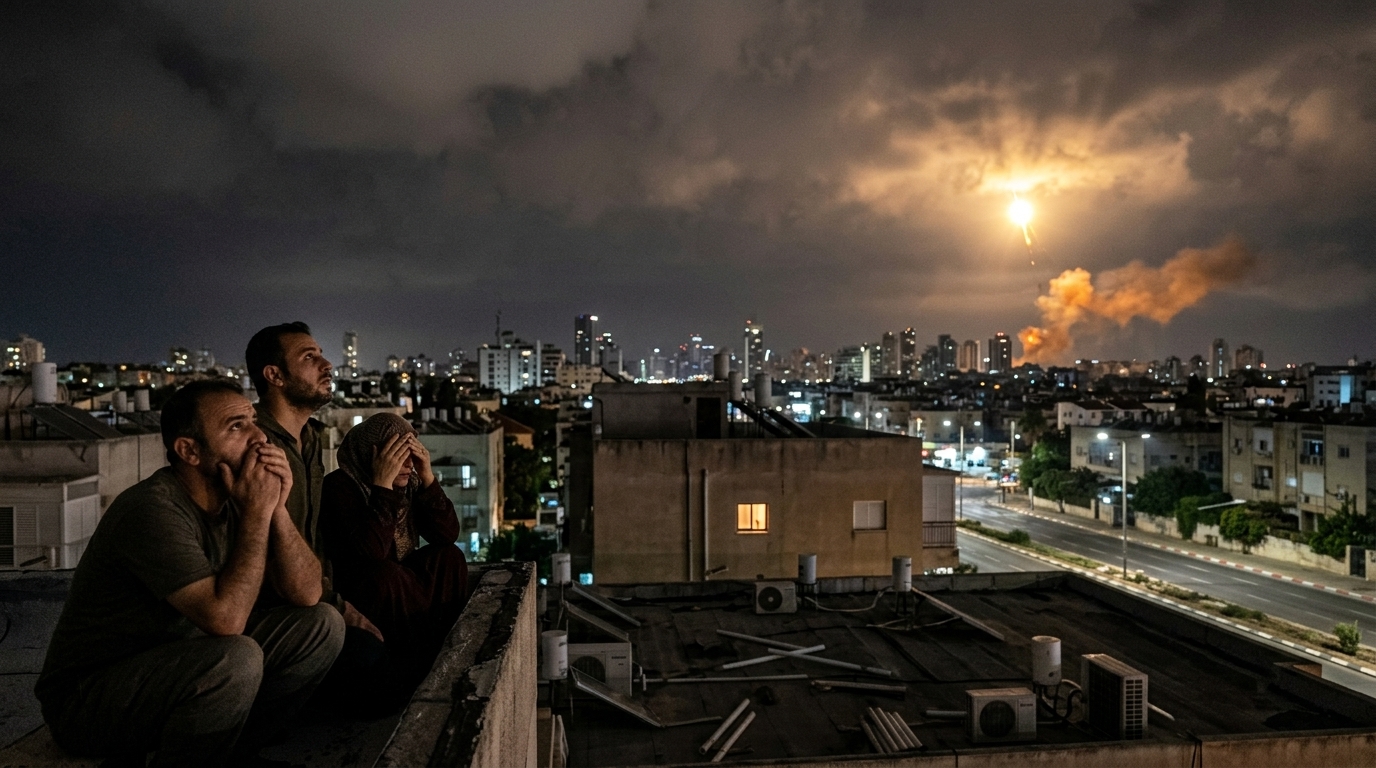
The lingering question is whether Israel truly possesses the capability to deliver a decisive blow to the Iranian nuclear program without direct U.S. military support. While the Israeli Air Force (IAF) has intensified long-range strike drills, such an action could ignite a full-scale regional war. Tehran has threatened retaliation involving thousands of missiles launched from Lebanon, Gaza, and Iran itself, targeting Israeli population centers and critical infrastructure.
The Future of the Standoff
As we move through 2026, the situation remains fluid. Iran has become a de facto "threshold state," possessing the technical knowledge and materials to assemble a nuclear device in a very short timeframe should the political decision be made. Netanyahu is betting on Israel’s deterrent power and his ability to convince the international community that the military option must remain credible. History will judge whether this hardline stance successfully prevents a nuclear-armed Middle East or leads to an inevitable confrontation with unpredictable consequences for global security and energy markets.