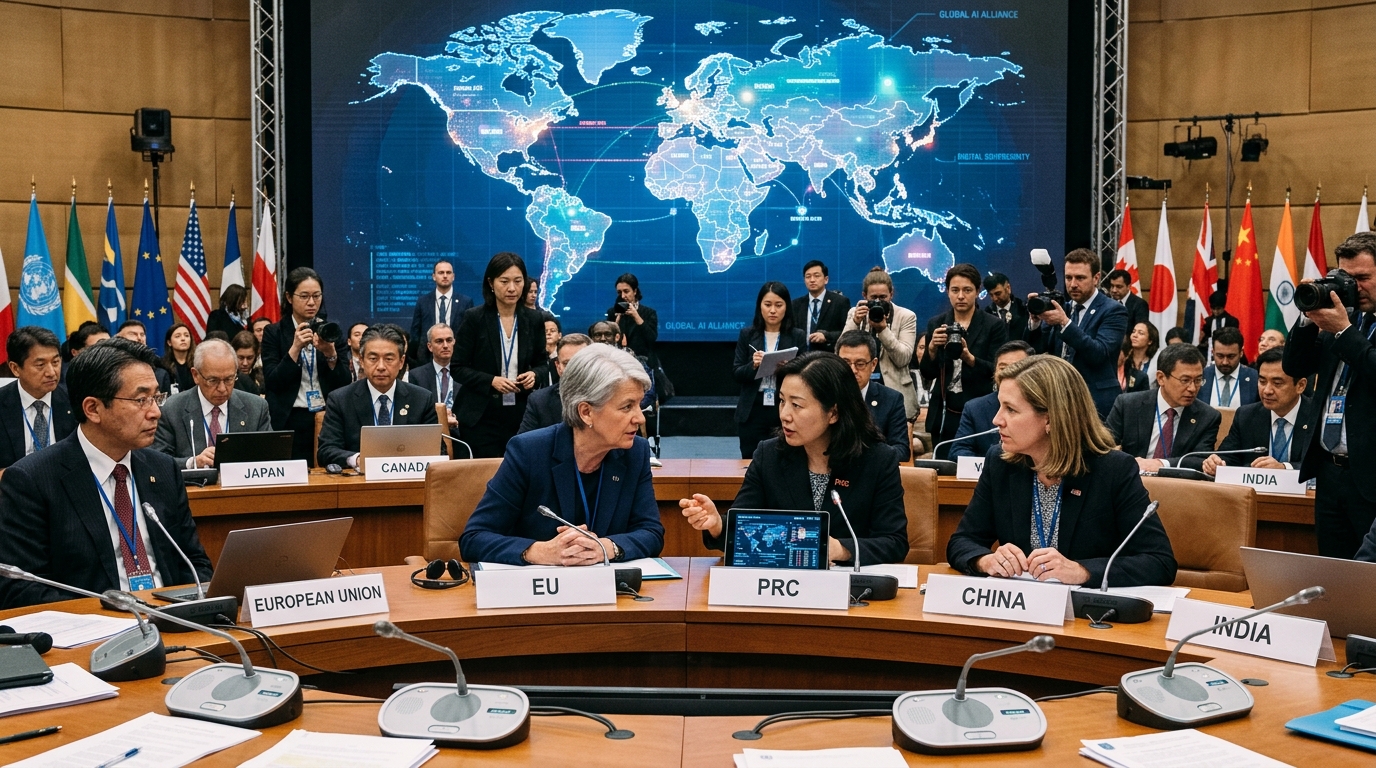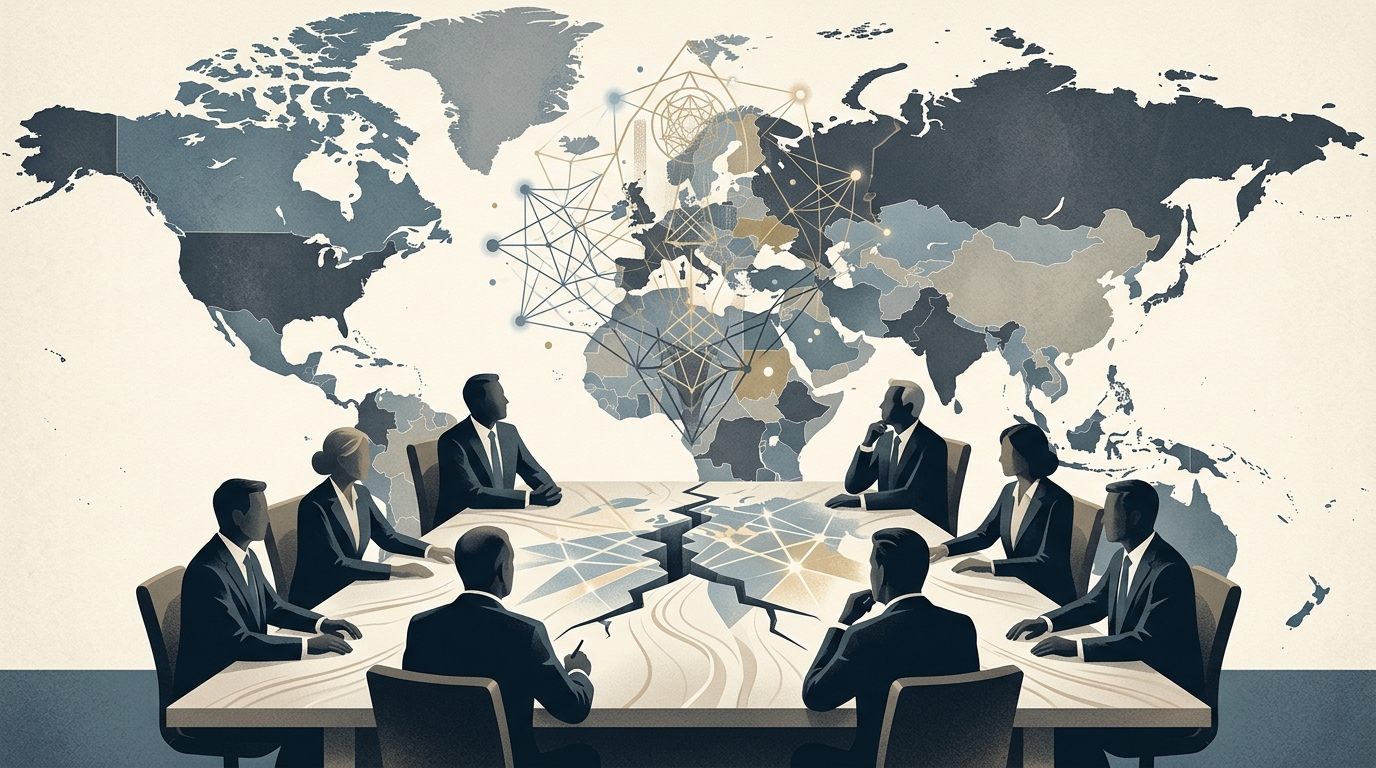
The recent meeting of G7 Finance Ministers and Central Bank Governors has brought to the surface what many analysts have been whispering for some time: the absolute consensus against Russia is beginning to show significant cracks. Despite public declarations of unity, internal disagreements over the extension of sanction exemptions and the management of frozen Russian assets are creating a volatile cocktail of diplomatic uncertainty.
Dombrovskis' Admission and the Exemption Dilemma
European Commission Vice-President Valdis Dombrovskis, in an unusually frank statement, admitted that G7 countries are not fully aligned on critical issues. The main point of friction lies in the duration and scope of exemptions concerning specific sectors of the Russian economy, such as energy and fertilizers. While the US pushes for a more aggressive stance, certain European member states, fearing the impact on domestic industry and the cost of living, are calling for an extension of transitional periods.
The European Union finds itself in a precarious position. On one hand, it must maintain the moral and political high ground by supporting Ukraine. On the other, the economic reality of energy dependence, though reduced, continues to haunt the capitals of the Old Continent. The disagreement over "locking in" sanctions is not merely technical; it is a deep political conflict over who will bear the cost of Moscow's long-term isolation.
AI Mythos: Technology as a Geopolitical Weapon
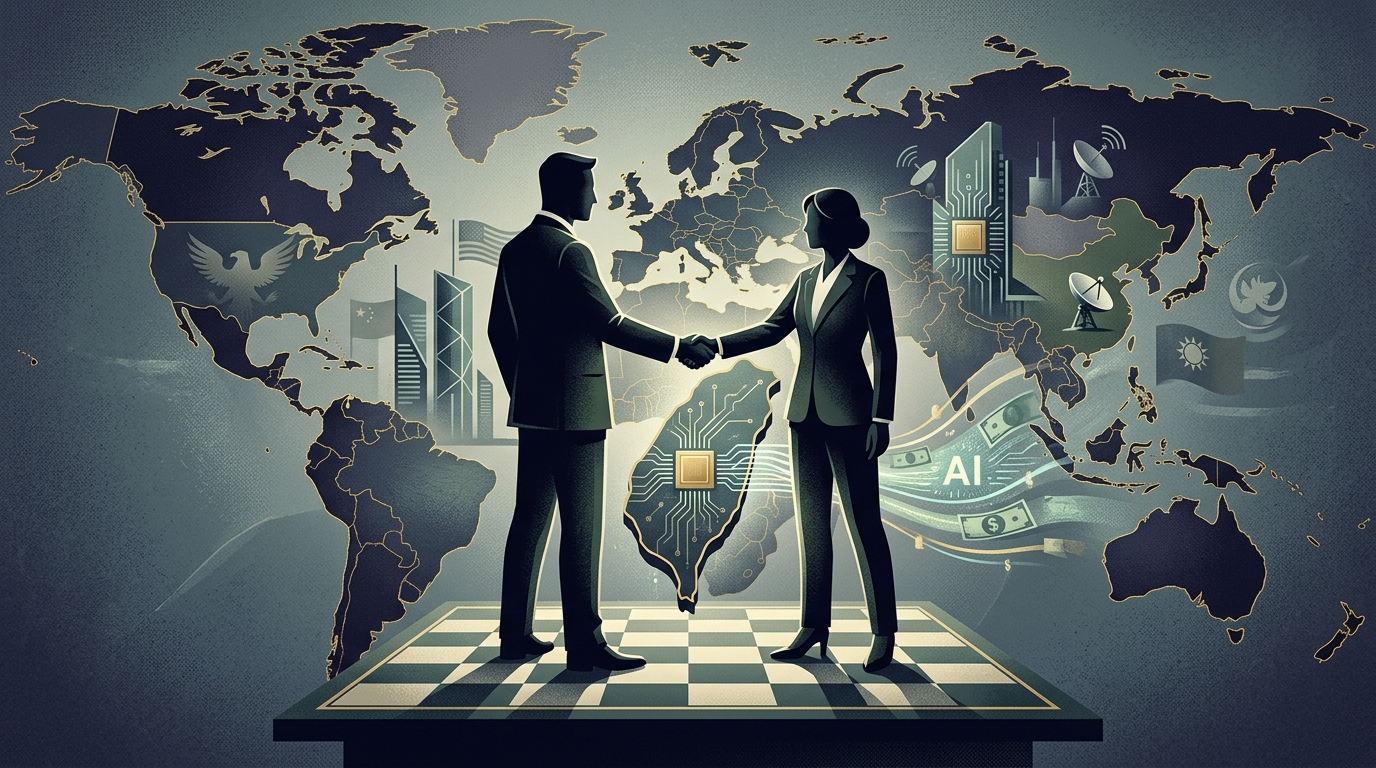
Amidst this climate of tension, the term "AI Mythos" is emerging. This is not just a theoretical approach but the deployment of Artificial Intelligence as a tool for enforcing and monitoring sanctions. The G7 is considering the creation of a unified AI framework capable of detecting real-time attempts to circumvent restrictions through third countries or shadow fleets.
However, "AI Mythos" also carries risks. Using algorithms to determine economic penalties could lead to "blind strikes" against businesses with no direct involvement, causing collateral damage to global trade. The debate over the ethical use of AI on the geopolitical chessboard is now imperative, as this technology can transform from a tool for transparency into a means of economic coercion.
The Conflict Over Frozen Assets
Another thorny issue dividing the G7 is the utilization of Russian state assets frozen in the West, valued at approximately $300 billion. Washington proposes their full confiscation for the reconstruction of Ukraine, a move that Berlin and Paris view with extreme caution.
Europeans fear that such a move would set a dangerous legal precedent, undermining trust in the Euro as a reserve currency. "If we violate sovereign immunity today for Russia, who guarantees it won't happen tomorrow for any other country?" diplomatic circles in Brussels wonder. The compromise solution being favored is the use of interest generated by these funds, but even this measure faces bureaucratic and legal hurdles.
Conclusion and the Path Forward
The G7 must prove it can remain united in a rapidly changing world. The "cracks" admitted by Dombrovskis are not necessarily a sign of weakness but a reflection of the complexity of modern international relations. The success or failure of "AI Mythos" and the management of sanctions will determine not only the outcome of the conflict in Ukraine but also the new global order for decades to come.
- The need for a common AI strategy in sanction enforcement is now a priority.
- European concerns about financial system stability remain the main obstacle to seizing Russian funds.
- Sanction fatigue is beginning to affect the political cohesion of the West.