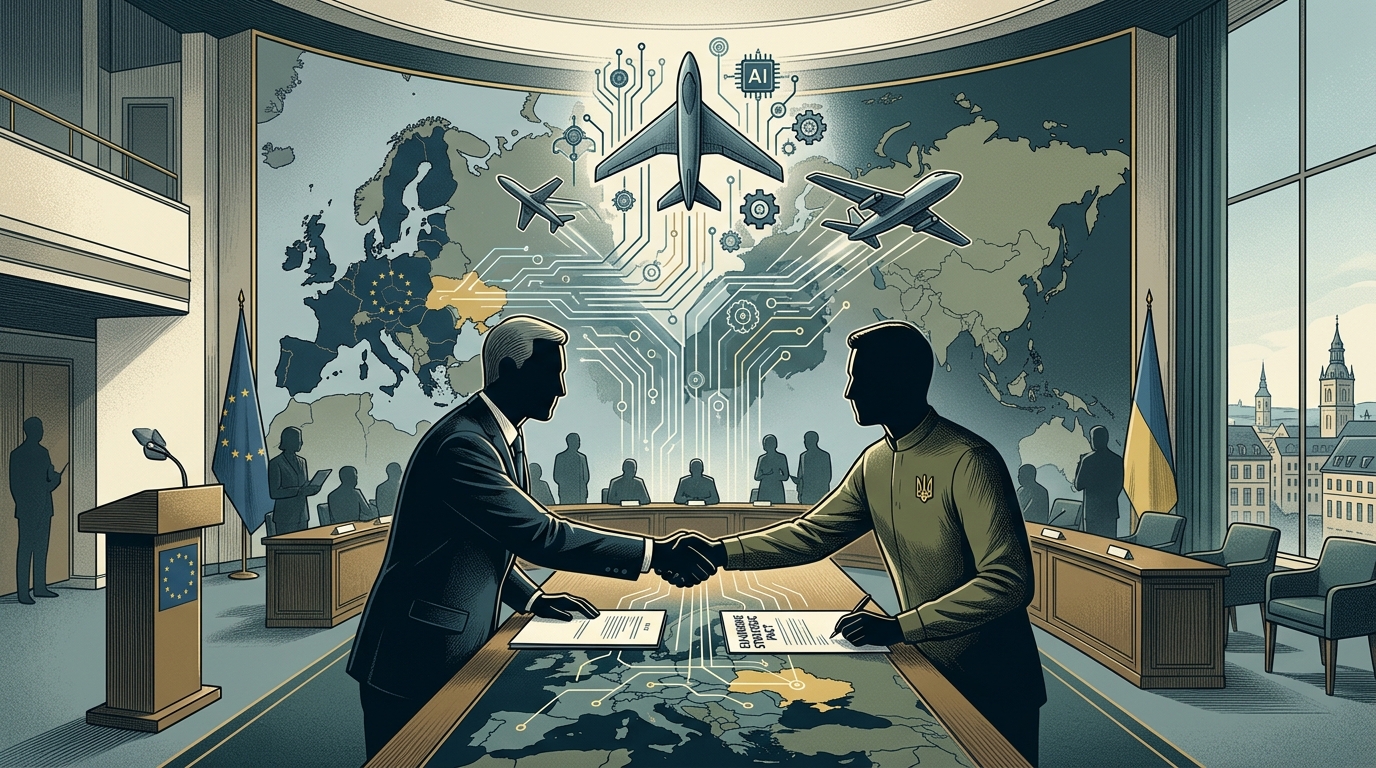
For decades, the European tech scene resembled a well-oiled subsidiary of Silicon Valley. Our infrastructure was hosted on American servers, our communications flowed through American networks, and our businesses relied on software designed thousands of miles away. Today, in June 2026, this narrative is shifting radically. Europe no longer seeks merely to regulate technology; it seeks to own it. The strategy of "digital sovereignty" has evolved from a theoretical Brussels concept into an urgent geopolitical imperative, as the Old Continent realizes that without its own technological base, it remains vulnerable to the whims of foreign powers and corporate interests.
The Cloud Wall and the Lessons of Gaia-X
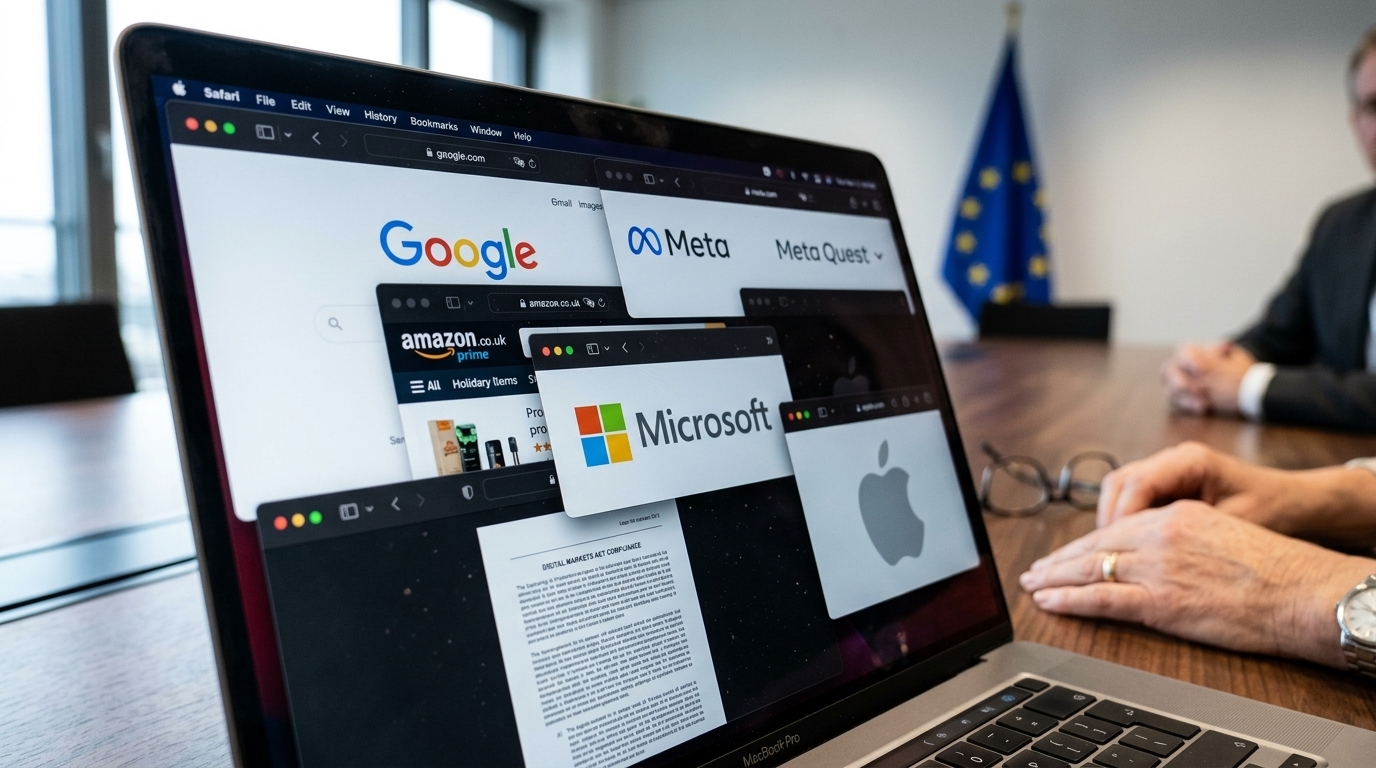
The front line of this struggle is in the cloud. Despite years of effort, 80% of the European cloud market is still controlled by Amazon, Microsoft, and Google. The ambitious Gaia-X project, launched to create a unified European data ecosystem, faced immense bureaucratic hurdles and internal friction. However, the lesson was learned: sovereignty is not built by committees, but by infrastructure. Today, we see a pivot toward "sovereign clouds" at the national level, such as the partnership between Orange and Capgemini in France (Bleu) or similar moves in Germany. The goal is clear: sensitive citizen and state data must remain within European jurisdiction, beyond the reach of the US Cloud Act.
The AI Revolution: The Rise of Mistral and Aleph Alpha
If the cloud is the infrastructure, Artificial Intelligence is the brain of the new economy. Having missed the boat on search engines and social media, Europe vowed not to repeat the mistake with AI. The emergence of France’s Mistral AI and Germany’s Aleph Alpha serves as the strongest evidence that Europe can produce cutting-edge technology. Mistral, in particular, with its focus on open-source models, offers an alternative to the "closed" models of OpenAI and Google. This approach is as political as it is technical: it allows European companies to build on models they understand, control, and can adapt to their own linguistic and cultural nuances without shipping their data across the Atlantic.
Regulatory Superpower vs. Innovation
Europe has often been dubbed a "regulatory superpower." With the full implementation of the AI Act, the Digital Markets Act (DMA), and the Digital Services Act (DSA), Brussels has established the strictest rules globally. The challenge remains: how to ensure these rules don't stifle European startups before they can scale? Criticism is sharp. Many analysts argue that while Europe focuses on fining Apple and Google, Asia and the US are investing trillions in the next generation of semiconductors and quantum computing. Decoupling requires more than laws; it requires capital. The gap in Venture Capital investment between the US and the EU remains the Achilles' heel of the European plan.
The Geopolitics of Technology
In a world polarizing between Washington and Beijing, Europe is seeking a "Third Way." Digital decoupling is not an act of hostility toward the US, but an act of survival. A continent's ability to protect its elections from foreign disinformation, ensure citizen privacy, and maintain economic competitiveness depends directly on the control of algorithms. The battle for digital sovereignty is, in reality, the battle for Europe’s democratic autonomy in the 21st century. If it fails, it risks becoming a mere "digital protectorate," consuming technology it can neither influence nor challenge.