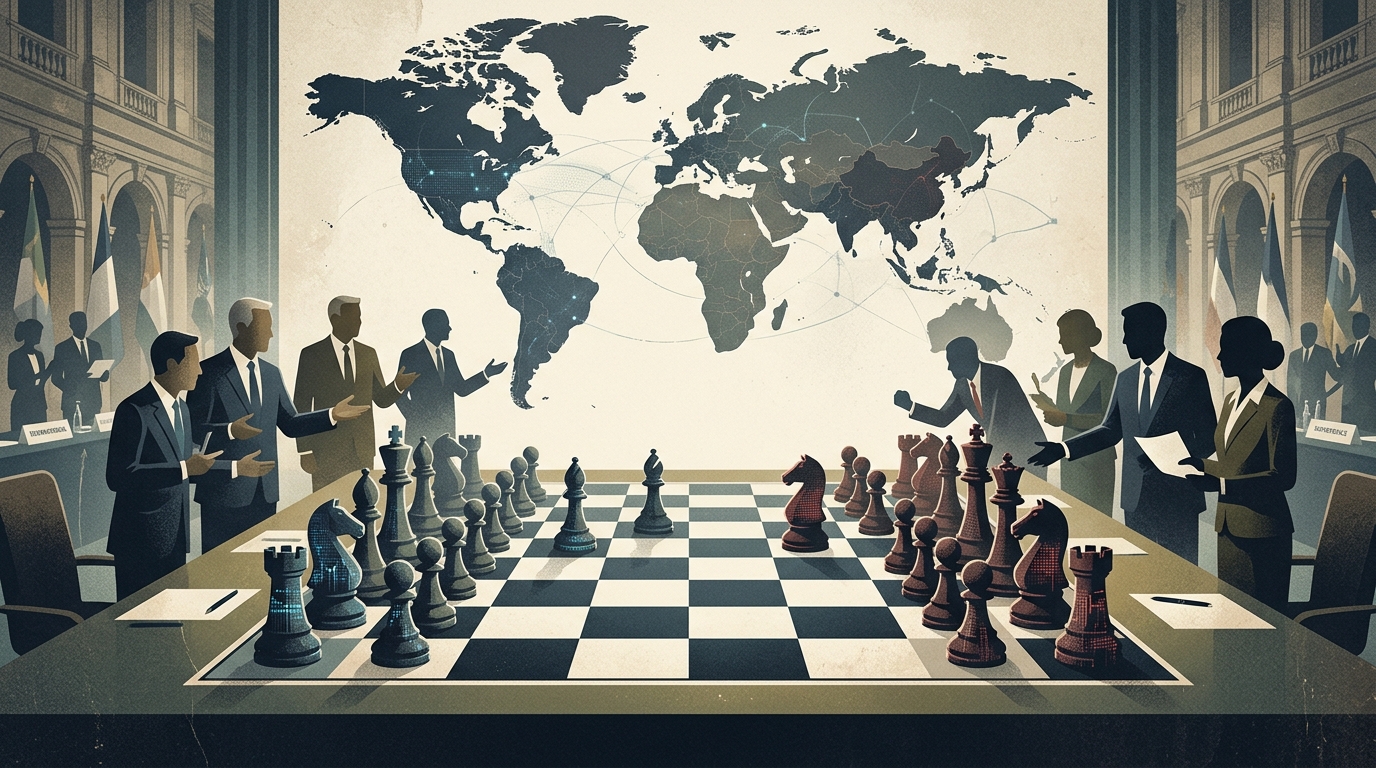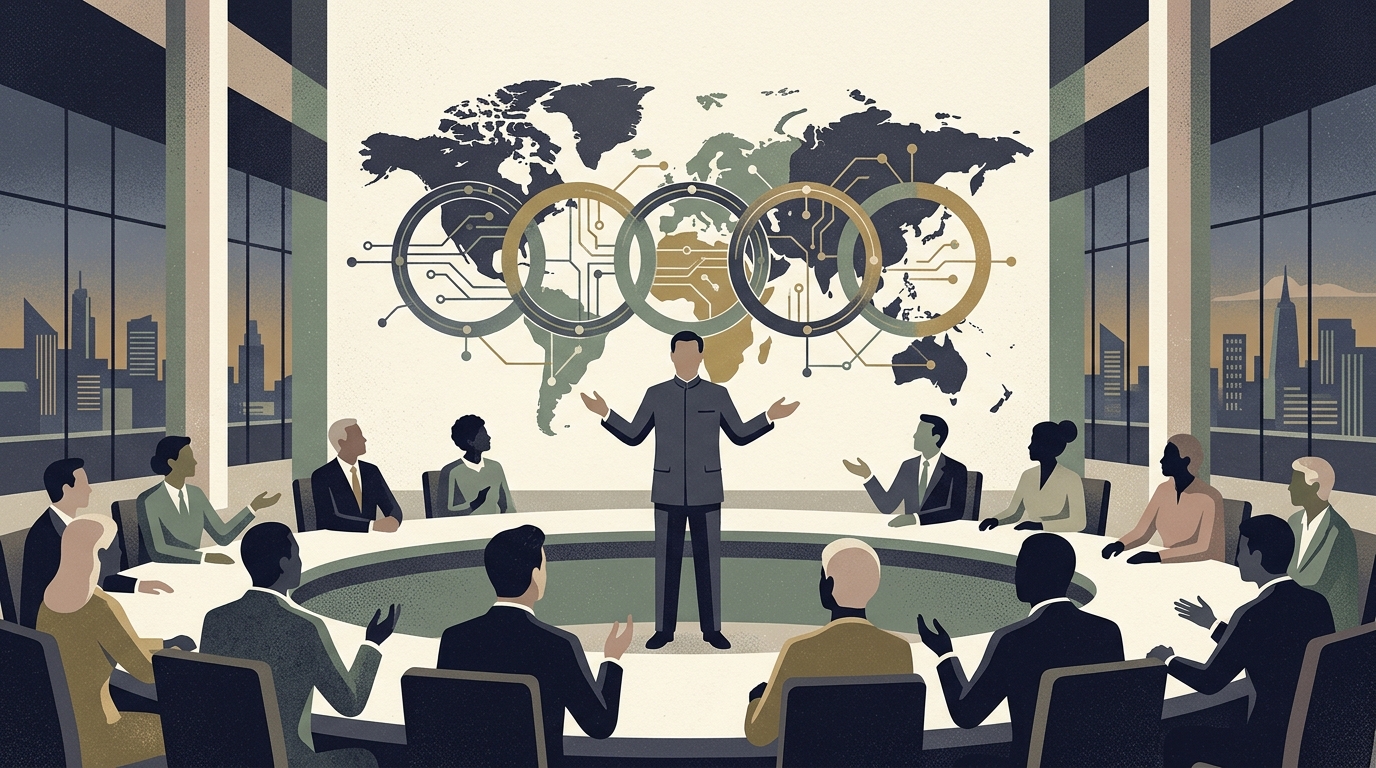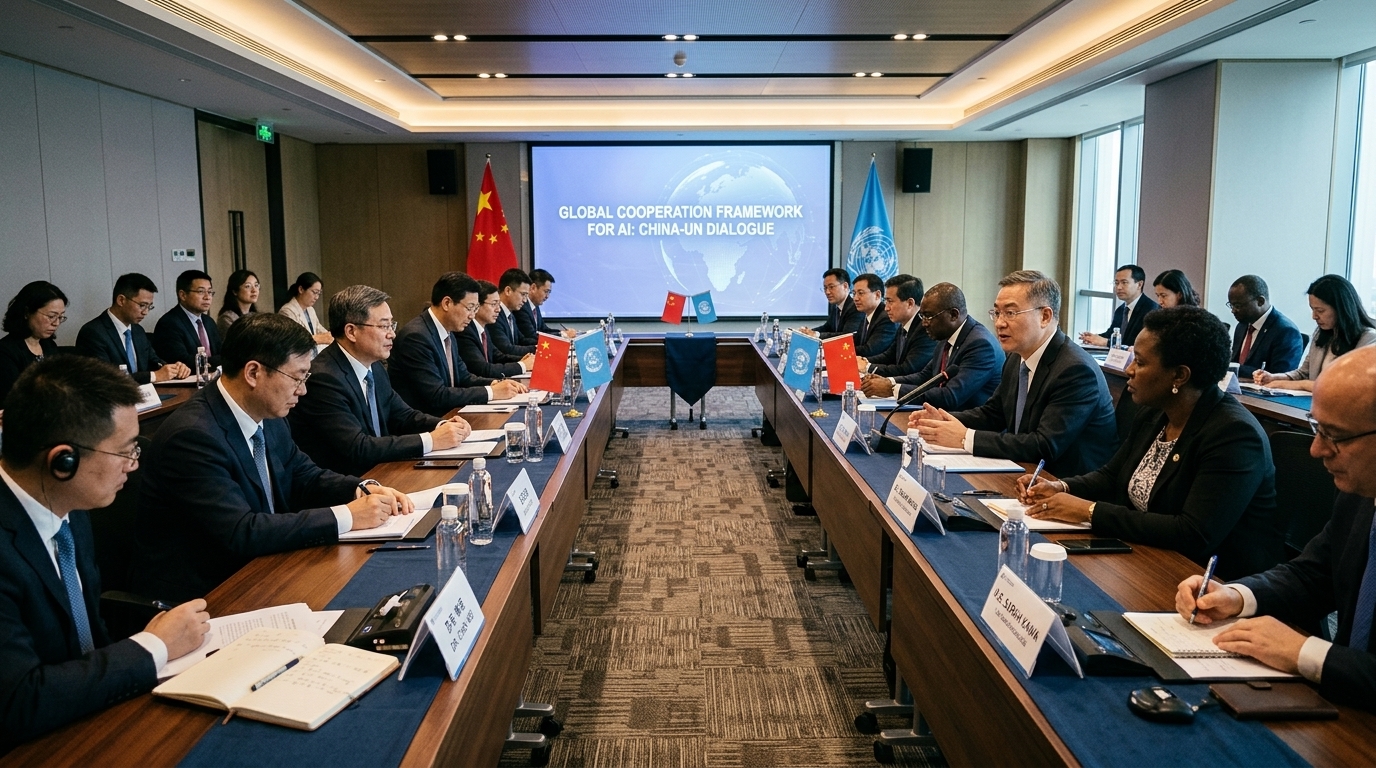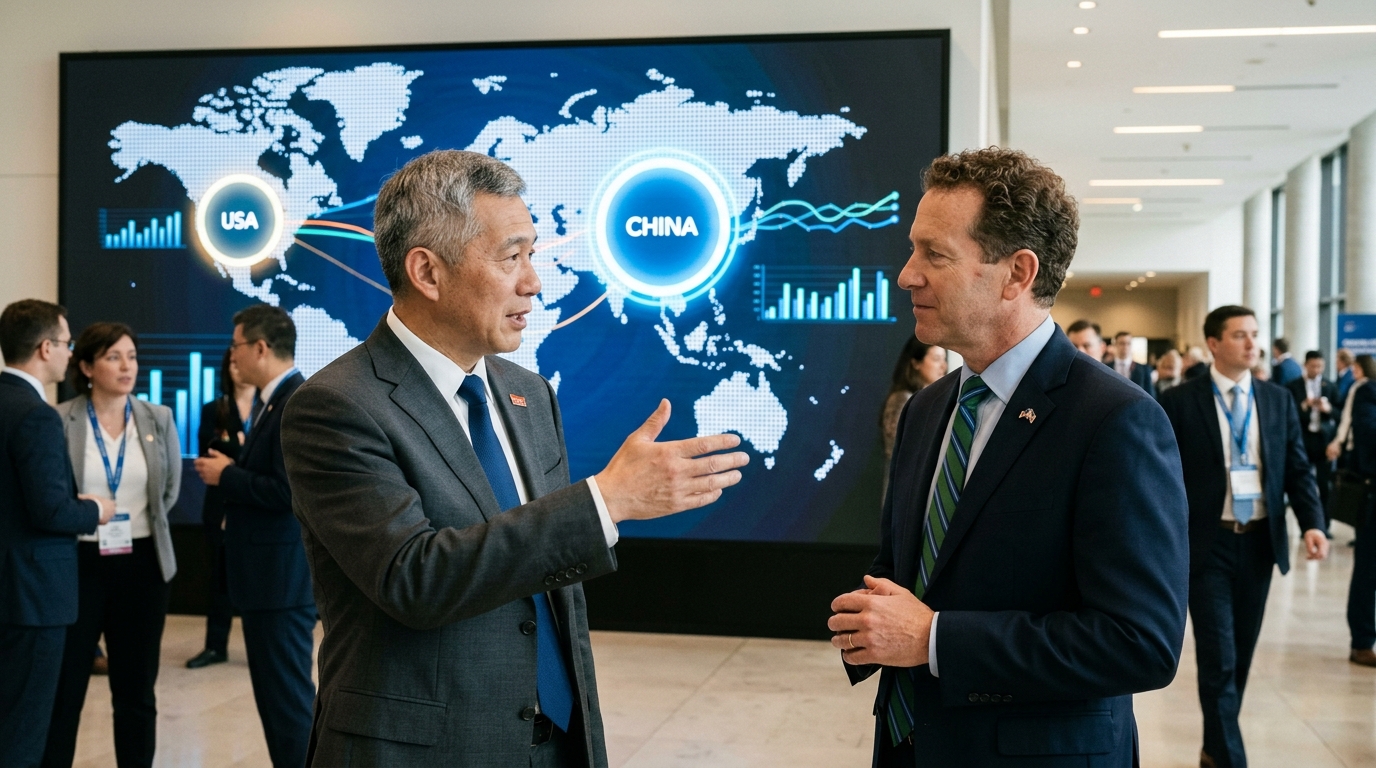
The global geopolitical chessboard is undergoing a structural shift that transcends traditional indicators of military might or GDP. According to a recent poll featured by the International Business Times, a majority of respondents across various nations now perceive China as having overtaken the United States in the race for Artificial Intelligence (AI) supremacy. This finding is not merely a statistical quirk; it is a profound indicator of shifting sentiments regarding who will define the rules of the 21st century.
The Illusion of Innovation vs. Practical Implementation
For decades, the West, led by the United States, was viewed as the undisputed beacon of technological progress. With Silicon Valley spearheading the development of Large Language Models (LLMs) and companies like OpenAI setting the pace, the consensus in Washington was that America maintained a comfortable lead. However, global public opinion appears to be pivoting toward different criteria. While the US excels in "disruptive" innovation and theoretical breakthroughs, China has demonstrated an unparalleled ability for broad application and scaling AI within daily life, infrastructure, and national security.
The Chinese approach, characterized by a seamless fusion of state mandates and private sector agility, has yielded visible results that resonate deeply with the developing world. From smart city systems to sophisticated facial recognition and supply chain automation, AI in China is not just a "chatbot" on a screen; it is the backbone of a new industrial reality. This visibility is what drives public perception, particularly in Asia, Africa, and Latin America, where Chinese investments via the "Digital Silk Road" are now ubiquitous. To many, China represents the "applied" future, while the US represents the "theoretical" one.
The Global South and 'AI Diplomacy'
The poll highlights a stark divide between Western elites and the citizens of the "Global South." For many emerging economies, China’s model offers something the US struggles to export: a turnkey, integrated package of technological governance. Beijing does not just sell software; it sells the infrastructure and the blueprint for controlling and organizing society through data. This has fostered a perception that China is the "practical" leader, whereas the US remains bogged down in ethical debates, regulatory hurdles, and political polarization.
Furthermore, the US-led export controls on advanced semiconductors, intended to stifle Chinese progress, may have backfired in the realm of public relations. China’s ability to innovate around these sanctions and develop indigenous solutions is increasingly viewed as a sign of resilience and technological maturity. In the eyes of many international observers, America appears to be playing defense, attempting to hold back the tide, while China is on the offensive, flooding the market with new patents and mass-market AI applications.
Implications for Global Hegemony
If perception becomes reality, the consequences will be monumental. The nation that leads in AI will not only dominate the global economy but will also dictate the standards for cybersecurity, data privacy, and international diplomacy. China is funneling billions into educating a new generation of data scientists, already surpassing the US in the volume of AI-related research papers and patents. The International Business Times poll serves as a wake-up call for the West: technological superiority is no longer a birthright, and the battle for the "hearts and minds" of the planet is increasingly being won in the labs of Beijing and Shenzhen.
In conclusion, the AI race is not just about who possesses the fastest processor, but about who can convince the world that their technology is the most useful, scalable, and inevitable. At this moment, China is winning the optics war, and in the high-stakes world of geopolitics, optics often pave the way for a new global order. The US must move beyond software dominance and address the tangible infrastructure needs of the global community if it hopes to reclaim its status as the world's primary technological architect.