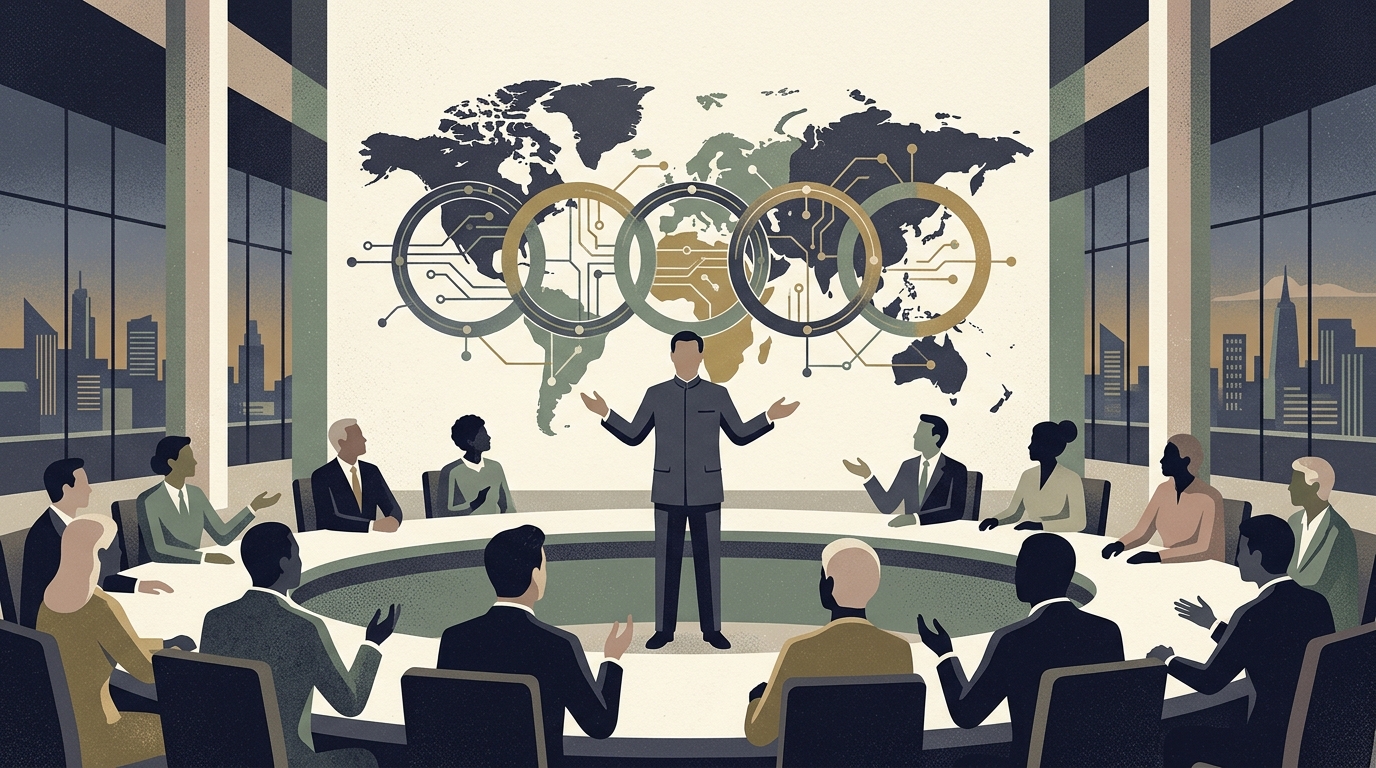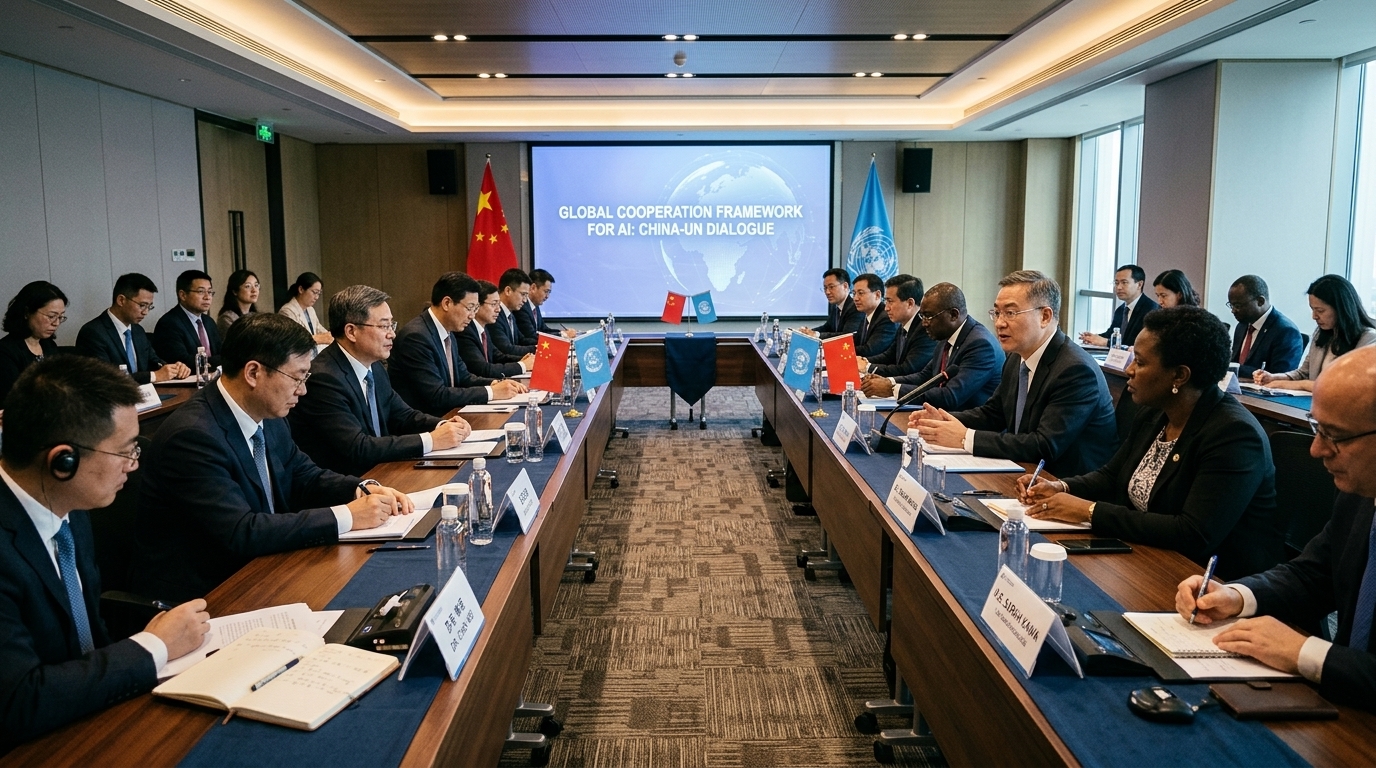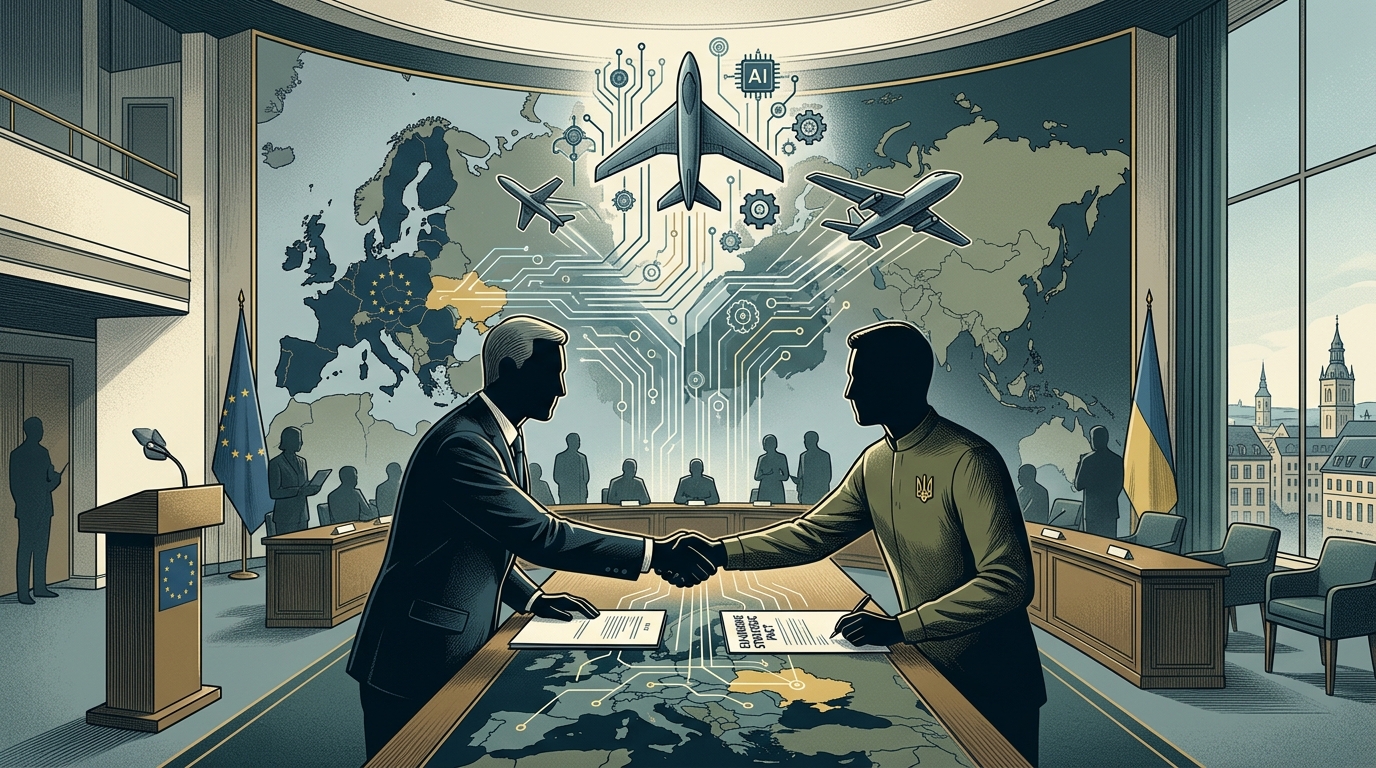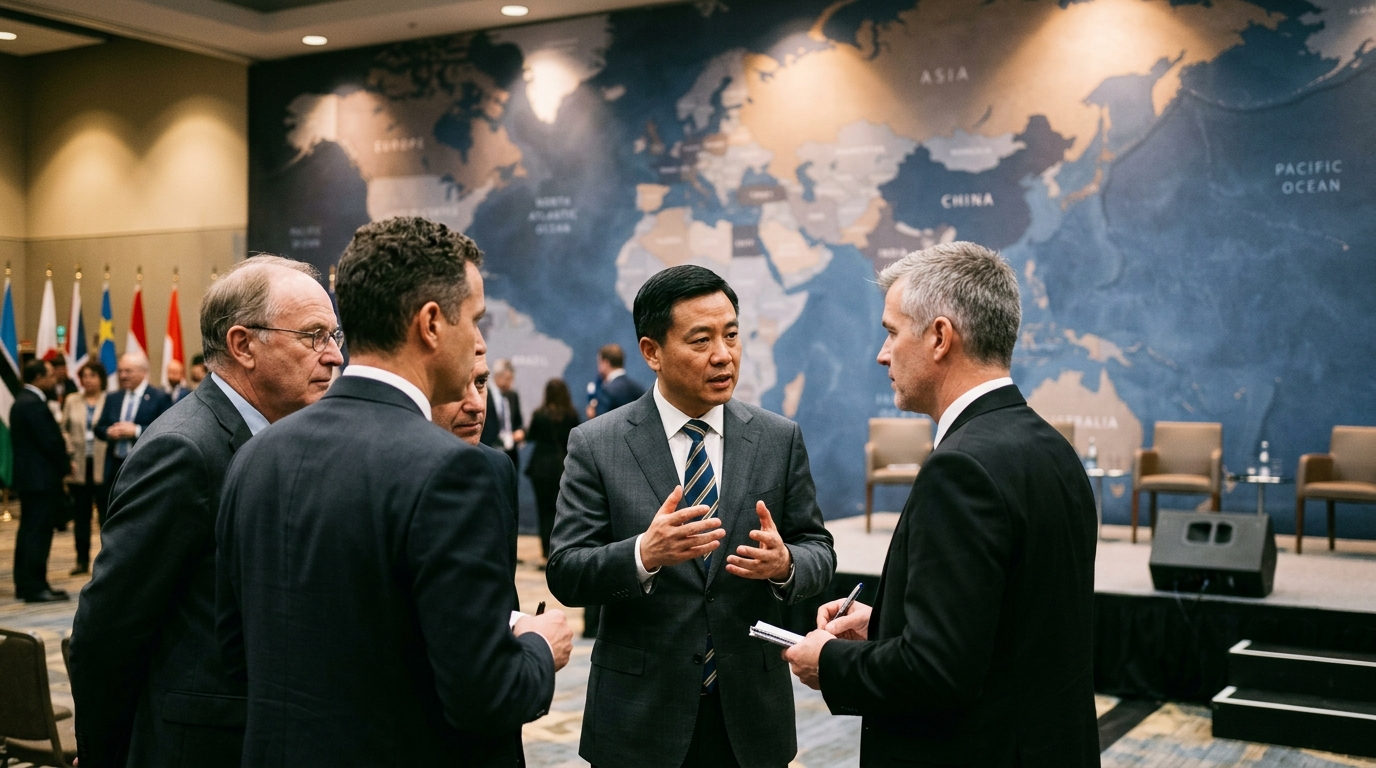
In the spring of 2026, the global trade landscape bears little resemblance to the previous decade. As geopolitical conflicts in Europe and the Middle East continue to destabilize traditional supply chains, China is emerging in international markets with an unprecedented "swagger." It is no longer just the "world's factory" of cheap goods, but a technological titan dictating the terms of the next industrial revolution. At the recent Canton Fair and other global tech forums, the shift is palpable: Western buyers are fewer, but delegations from the Global South are flooding the booths, seeking cutting-edge Chinese technology that the West now struggles to match in both price and scale.
The Transition from Quantity to Cutting-Edge Quality
The Chinese strategy, famously dubbed "New Productive Forces," has begun to bear significant fruit. While the US and the European Union erect protectionist walls with tariffs on electric vehicles (EVs) and solar panels, Beijing is responding with a storm of innovation. In the factories of Shenzhen and Shanghai, the emphasis has moved from assembly to primary research. Chinese companies are now showcasing AI-powered humanoid robots capable of operating on production lines with minimal human intervention, and energy storage systems that make renewables more reliable than ever.
China isn't just trying to sell products; it is trying to export entire ecosystems. When a country in Southeast Asia or Africa buys Chinese electric buses, it simultaneously purchases the charging infrastructure, the fleet management software, and the 5G systems that support them. This "technological lock-in" creates long-term dependencies that go beyond simple trade and touch the sphere of geopolitical influence.
The Geopolitics of the Global South and the Western Vacuum
As the US focuses on national security and restricting chip exports to China, Beijing has seized the opportunity to dominate emerging markets. In a world divided by war and sanctions, China presents itself as the "stable partner" offering technology without political strings attached. The Russian market, cut off from Western tech, has become entirely dependent on Chinese systems, while countries like Brazil and Indonesia see China as a way to modernize without getting caught in Washington's Cold War-style rivalries.
- Dominance in the "New Three": Electric vehicles, lithium batteries, and solar panels form the tip of the spear.
- Semiconductor Self-Reliance: Despite sanctions, China has accelerated the production of "legacy chips" essential for the automotive industry.
- Infrastructure Diplomacy: Linking technology to the Belt and Road Initiative (BRI).
However, this display of power is not without risks. China's domestic economy still suffers from a persistent property crisis and sluggish consumption. The overcapacity directed toward international markets is triggering pushback, with many nations fearing deindustrialization from a wave of cheap but high-quality Chinese goods. This "tech swagger" is, in part, an attempt to export the country out of its economic malaise.
The Future of Globalization Under Chinese Guidance
The question is no longer whether China can innovate, but how the rest of the world will react to that innovation. The US is attempting to build a "fortress economy" with its allies, but the allure of Chinese technology is hard to ignore. At the Canton Fair, exhibitors were no longer talking about "if" they would export to the West, but how they would bypass tariffs via factories in Mexico or Hungary. China is playing a long game, betting that technological dominance will eventually force the West back to the negotiating table, despite current hostilities.
"We are no longer just selling the machine; we are selling the future of production," said an executive from a Shenzhen-based robotics firm.
In conclusion, the China of 2026 is a power that has accepted confrontation with the West and chosen to respond through technological imposition. In a world convulsed by conflict, technology is becoming the new currency of power, and Beijing seems to hold the largest reserves.