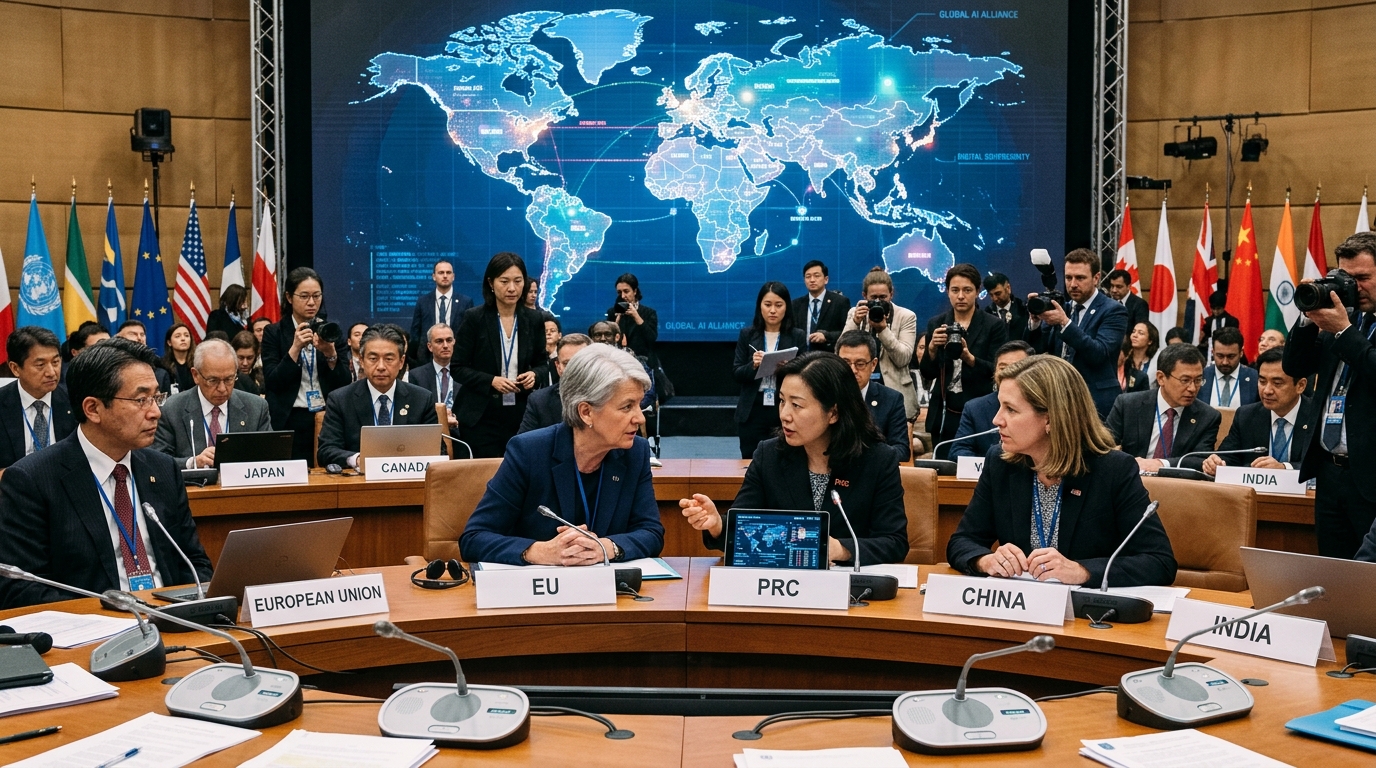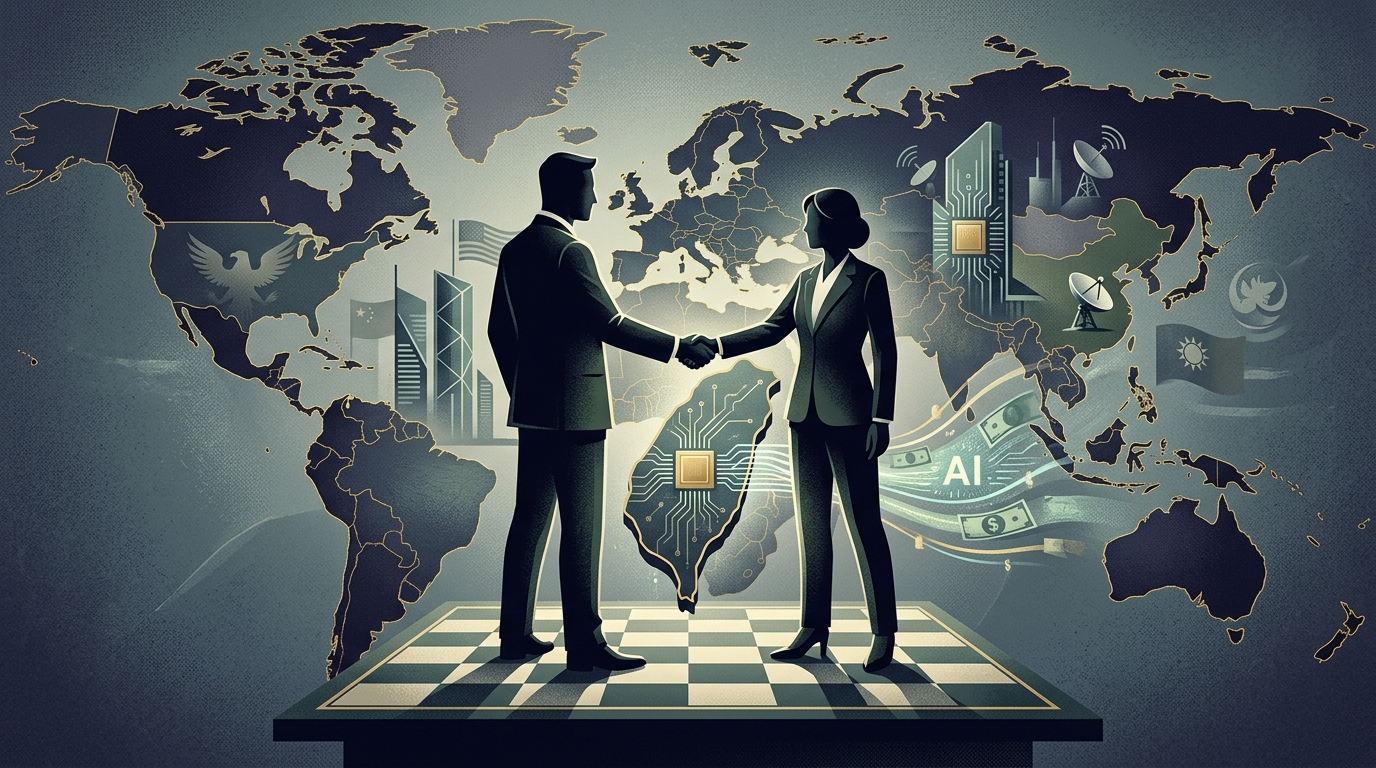
The global AI chessboard has been rocked by a decision that signals the end of an era for unfettered cross-border acquisitions in high technology. News that the Chinese government has intervened to block Meta’s (formerly Facebook) acquisition of AI startup Manus is more than just a corporate setback; it is a geopolitical statement of power. Manus AI, a startup that has caused a stir with its 'General Purpose AI Agents,' found itself at the heart of a collision between Silicon Valley’s ambitions and Beijing's strategic imperatives.
The Rise of Autonomous Agents and the Value of Manus
To understand why Beijing exercised its veto, one must understand what Manus represents. Unlike traditional Large Language Models (LLMs) like ChatGPT or Meta’s Llama, which focus on generating text or images, Manus develops 'agents' capable of executing complex tasks autonomously. From coding entire applications to managing intricate supply chains, Manus's technology is considered the 'holy grail' of productivity. Meta, in its race to keep pace with OpenAI and Google, saw Manus as the key to transforming its ecosystem—WhatsApp, Instagram, and Ray-Ban Smart Glasses—into an ultimate automation platform.
However, while Manus operates internationally, it maintains deep roots in the Chinese tech ecosystem, drawing on talent and data that China now classifies as 'strategic national resources.' The decision by Chinese regulators to block the deal is rooted in the updated 'Catalogue of Technologies Prohibited or Restricted from Export,' which now includes advanced autonomous decision-making algorithms. This is a clear signal that AI IP is now treated with the same level of protection as nuclear secrets.
The Data Cold War and National Security
This move reflects Beijing's growing concern over 'brain drain' and the leakage of intellectual property to the West. China, having invested billions in its domestic AI landscape, is unwilling to allow an American giant to absorb technology that could provide the United States with a decisive edge—both economically and militarily. AI agents are not merely office tools; they are potential cyber-weapons or systems for managing critical infrastructure. In the eyes of the CCP, allowing Meta to own Manus would be akin to handing over the keys to the future of labor and logistics.
On the other side, Meta finds itself in a precarious position. Mark Zuckerberg has repeatedly emphasized that AI is the future of his company, yet geopolitical realities are narrowing his options. This block sends a clear message: the days when Silicon Valley could simply buy its way to innovation on a global scale are over. Now, every acquisition must pass through the dual filters of nationalism and security, often leaving tech giants stranded between their growth needs and state-level rivalries.
Implications for the Global AI Ecosystem
The failure of the Meta-Manus deal will have significant ripple effects. First, it discourages future collaborations between Chinese scientists and American venture capital. Second, it accelerates the creation of two distinct 'digital spheres': a Western one led by the US and an Eastern one controlled by China. This 'splinternet' in AI means that standards, ethics, and safety protocols will develop in silos, increasing the risk of global instability and competitive friction.
- Restricted flow of elite AI talent between the two superpowers.
- Increased R&D costs for Western firms deprived of Chinese-originated breakthroughs.
- Meta’s forced pivot toward internal development of agentic frameworks, bypassing M&A.
In this environment, Manus AI must now navigate a path as a 'neutral' entity or be fully integrated into the Chinese state ecosystem—a move that would likely sever its access to Western markets. This case serves as the definitive example of how technology is no longer a neutral field of innovation but the front line in the struggle for 21st-century global hegemony. As the 'Great AI Wall' rises, the dream of a unified global tech market continues to crumble.