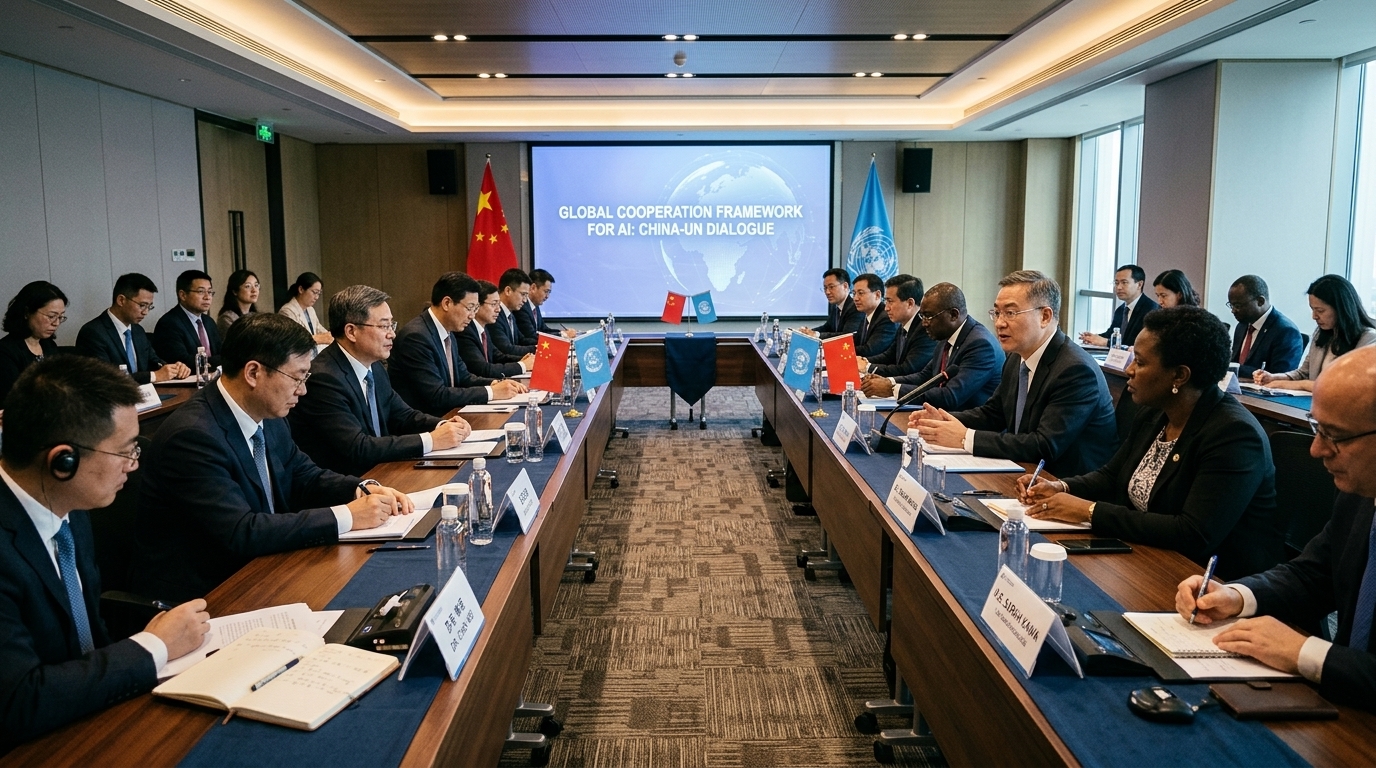
The global AI hierarchy is undergoing a tectonic shift that few analysts predicted would occur with such velocity. According to the latest industry data and a recent report by Digital Today, the Chinese model DeepSeek V4 has secured the top spot in global performance rankings. More significantly, the total token usage of Chinese AI models has, for the first time, surpassed that of their U.S. counterparts. This development is not merely a statistical milestone; it is a confirmation that China’s strategy of "algorithmic efficiency" is bearing fruit, effectively bypassing stringent U.S. export controls on advanced semiconductors.
The Ascent of DeepSeek V4: Beyond the Metrics
DeepSeek V4 is not just an incremental upgrade; it represents the pinnacle of an architectural philosophy that prioritizes cost-performance ratios. While OpenAI and Google focused on building increasingly massive GPU clusters to train their models, the Hangzhou-based DeepSeek team implemented innovative Mixture-of-Experts (MoE) and Multi-head Latent Attention (MLA) techniques. These technologies allow the model to deliver GPT-5 level performance using a fraction of the computational power and, consequently, at a fraction of the cost.
The market response has been instantaneous. Developers worldwide, from Silicon Valley to Berlin, are migrating en masse to the DeepSeek API. The reason is simple: the cost per million tokens is up to 10 times lower than that of Claude 3.5 Sonnet or GPT-4o, with no discernible loss in output quality. This "democratized" access to high-level intelligence is disrupting the business models of American firms that relied on high margins and proprietary moats.
Geopolitical Chess: The Failure of Sanctions?
The news that China now leads in token usage—the primary metric for actual AI consumption globally—is a stinging rebuke to Washington’s policy. For years, the U.S. attempted to stall Chinese progress by banning the export of top-tier Nvidia chips (such as the H100 and B200). However, the Chinese industry responded in two pivotal ways:
- Software Optimization: If you don't have the fastest processors, you build the smartest software. DeepSeek V4 proves that intelligence is not just a matter of brute force.
- Domestic Substitution: The use of domestic AI accelerators from companies like Huawei and Biren Technology has matured, enabling the creation of massive data centers that operate independently of the Western supply chain.
"We are witnessing the birth of a multipolar digital world," says a leading geopolitical analyst. "China is no longer trying to catch up to the West; it is carving its own path—one that is cheaper, faster, and now more popular among end-users."
The Western Response and the Road Ahead
The dominance of DeepSeek V4 creates an existential dilemma for American tech giants. Will they be forced to slash prices, sacrificing profitability to maintain market share, or will they double down on even more closed and expensive systems? DeepSeek’s strategy of remaining largely "open-weights" has fostered a community that improves the model organically—a path OpenAI abandoned long ago.
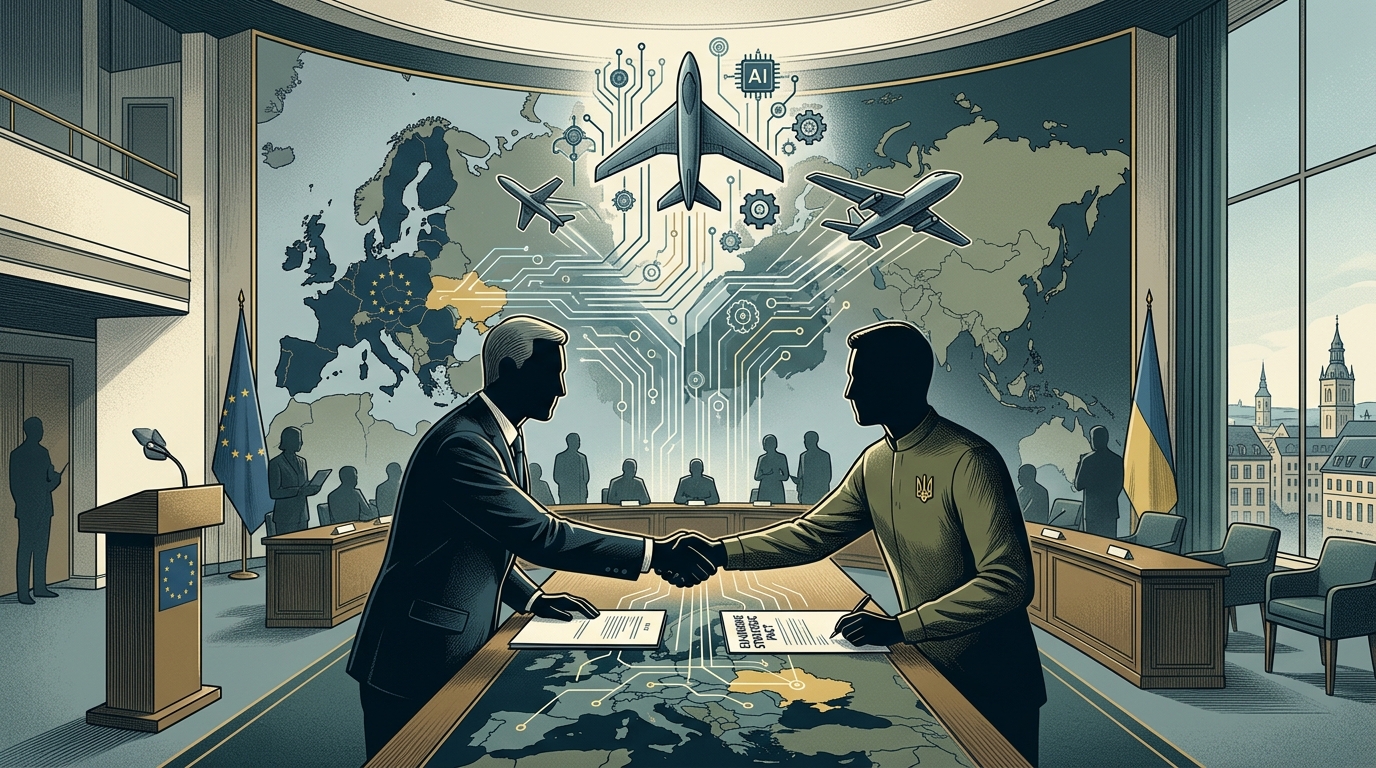
In this context, the European Union is watching with keen interest. Dependence on American technology is being replaced by a new reliance on Chinese APIs, raising critical questions about data security and digital sovereignty. What is certain is that the summer of 2026 will be remembered as the moment the scales of technological power tipped decisively toward the East.