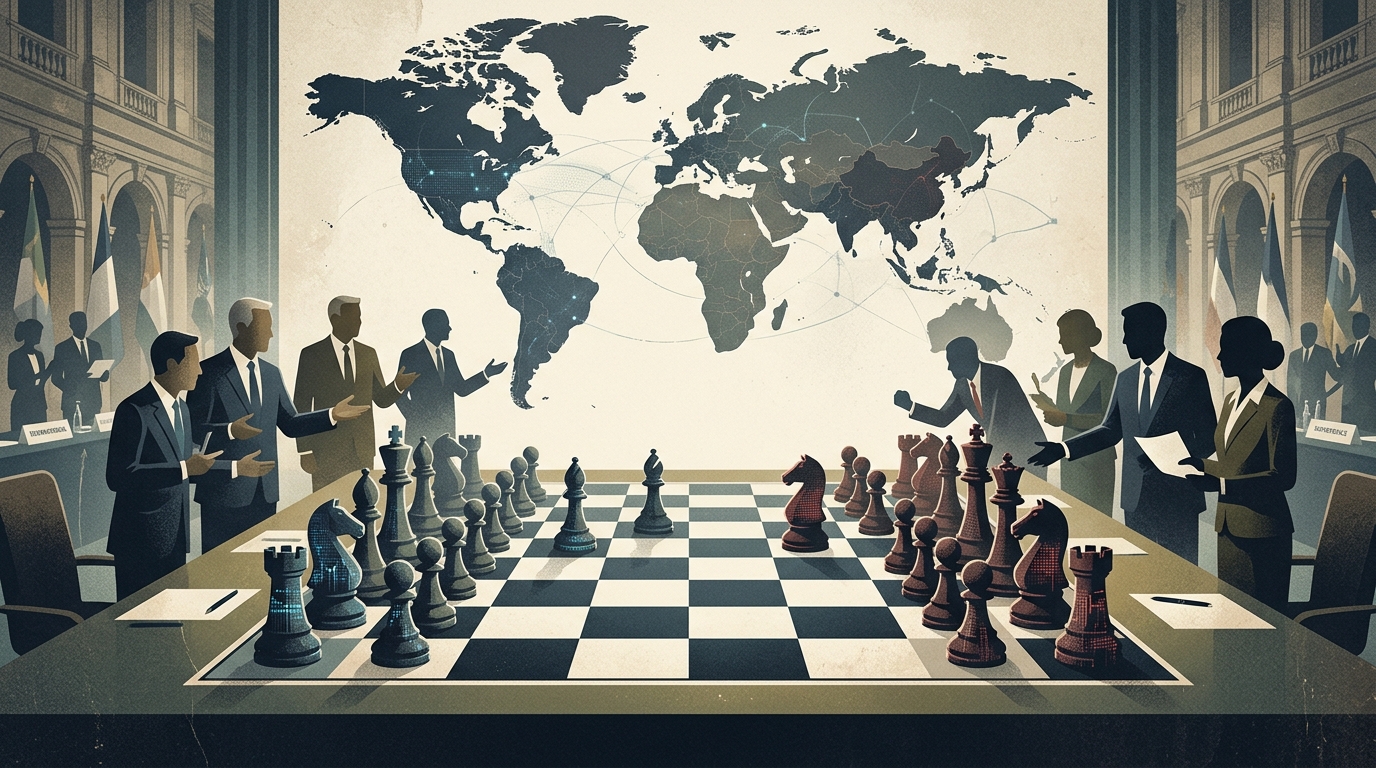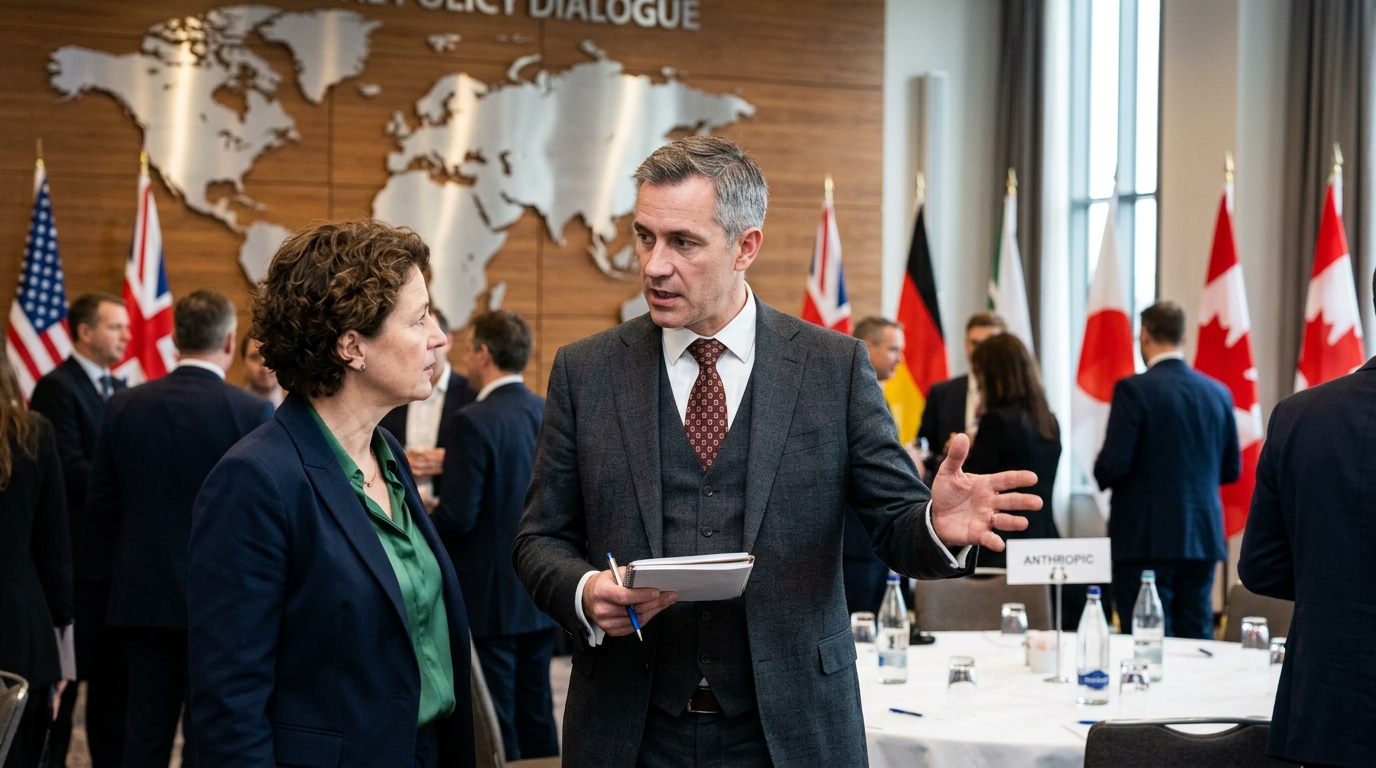
In the corridors of power in Washington D.C., a new form of diplomacy is taking shape—one that concerns not territory or traditional resources, but the very foundations of the next industrial revolution. Anthropic, the startup behind Claude and a pivotal player in the artificial intelligence landscape, has dispatched a delegation of top executives to the U.S. capital. Their mission is clear yet profoundly complex: to persuade lawmakers and the Biden administration to refine AI export restrictions before they stifle American competitiveness on the global stage.
AI as the New Geopolitical Frontier
Anthropic's move comes at a critical juncture. The U.S. Department of Commerce is currently weighing new regulations that could severely limit the export of advanced AI models to countries deemed "strategic competitors" or those with close ties to China. For Anthropic—bolstered by billions in investment from giants like Amazon and Google—the stakes are twofold. On one hand, there is the imperative for international expansion and access to capital from sovereign wealth funds, particularly in the Middle East. On the other, the company must demonstrate that its technology will not be weaponized to undermine U.S. national security.
The debate in D.C. centers on whether Large Language Models (LLMs) should be treated as "dual-use" technologies—akin to nuclear technology or high-grade cryptography. Anthropic argues that overly restrictive controls could trigger a "boomerang effect." If U.S. firms are barred from exporting their models, foreign buyers will inevitably pivot to alternatives from China or Europe, thereby eroding U.S. influence over global AI safety standards and ethical norms.
Constitutional AI as a Diplomatic Lever
A cornerstone of Anthropic's argument to regulators is its unique architecture. The company’s "Constitutional AI" framework, which embeds ethical guidelines directly into the training phase, is being marketed as a safer alternative to open-source models or less-regulated competitors. Anthropic contends that exporting "safe" American models is actually a national security boon, as it propagates Western values and safety protocols globally.
- Protecting intellectual property from state-sponsored espionage.
- Ensuring models are not utilized for developing biological or cyber weaponry.
- Maintaining U.S. dominance in the global compute and cloud market.
However, skeptics in Congress remain wary. There is a persistent fear that even the most "aligned" models can be jailbroken or repurposed for mass disinformation campaigns. Anthropic must prove it can maintain oversight of its technology even after it is deployed in geopolitically volatile regions, a feat that remains technically and legally challenging.
Economic Stakes and the Gulf Factor
The economic dimension of this diplomatic struggle cannot be overstated. Gulf nations, such as the UAE and Saudi Arabia, are investing tens of billions to transform themselves into global AI hubs. Anthropic, much like its rival OpenAI, views these regions not just as markets, but as strategic partners capable of providing the massive compute power and data required for next-generation model training. If the Commerce Department imposes draconian export licenses, Anthropic risks being cut off from these vital resources just as the race for Artificial General Intelligence (AGI) demands unprecedented capital.
"This isn't just about selling software; it's about who defines the rules of the digital future. If we retreat from the global market, those rules will be written in Mandarin," noted a source close to the discussions in Washington.
In conclusion, Anthropic's dispatch to D.C. signals the end of an era where tech companies could operate in a vacuum, insulated from statecraft. Moving forward, AI development will be inextricably linked to geopolitical strategy. Silicon Valley leaders must now become as adept at navigating the halls of diplomacy as they are at optimizing neural networks. The outcome of these talks will determine whether the U.S. maintains its technological hegemony or inadvertently cedes the frontier to its rivals.