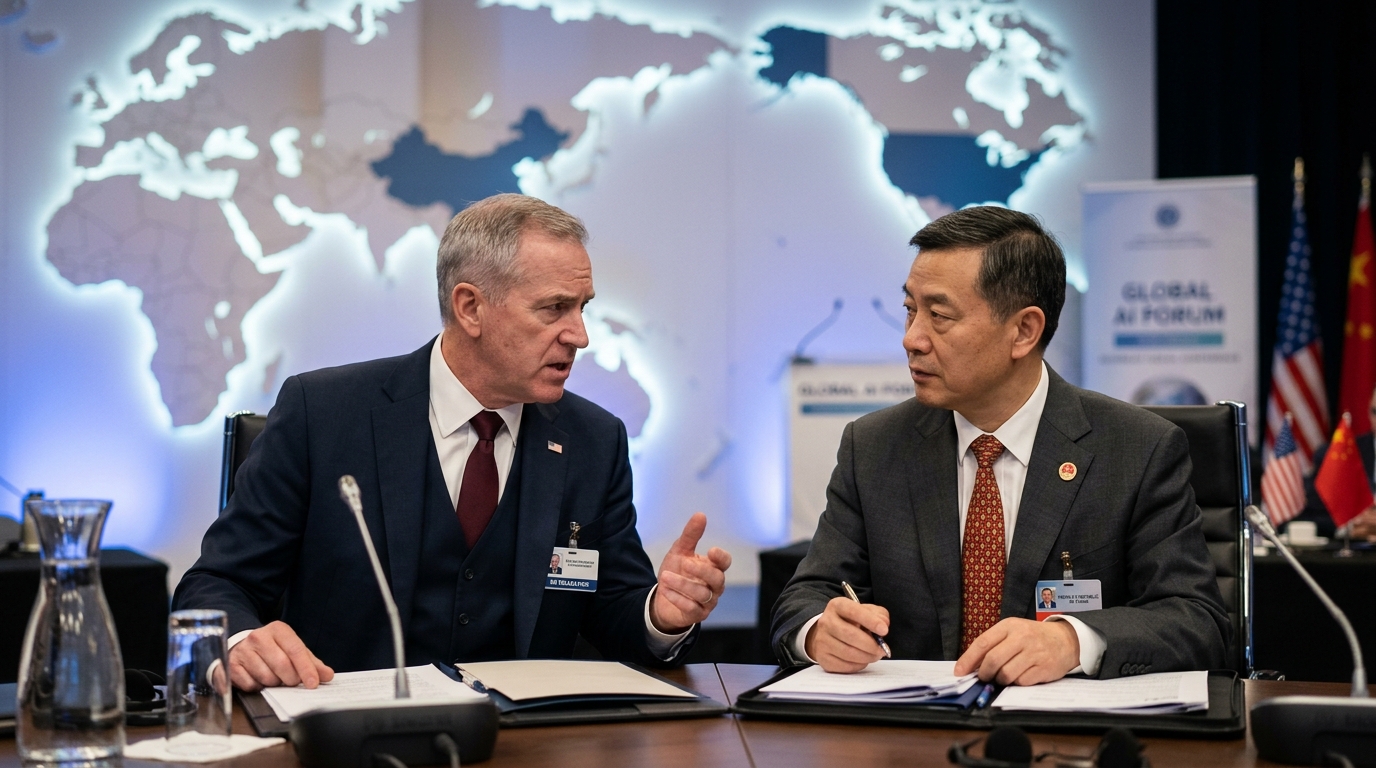
The global AI geopolitical landscape is reeling from a major new allegation that pits two of the industry’s most powerful entities against each other: US-based Anthropic, creator of the sophisticated Claude model, and Chinese titan Alibaba. According to reports citing internal sources and security forensics, Anthropic is accusing Alibaba of executing the largest "distillation attack" ever recorded, aimed at siphoning Claude’s advanced reasoning capabilities to bolster its own AI models.
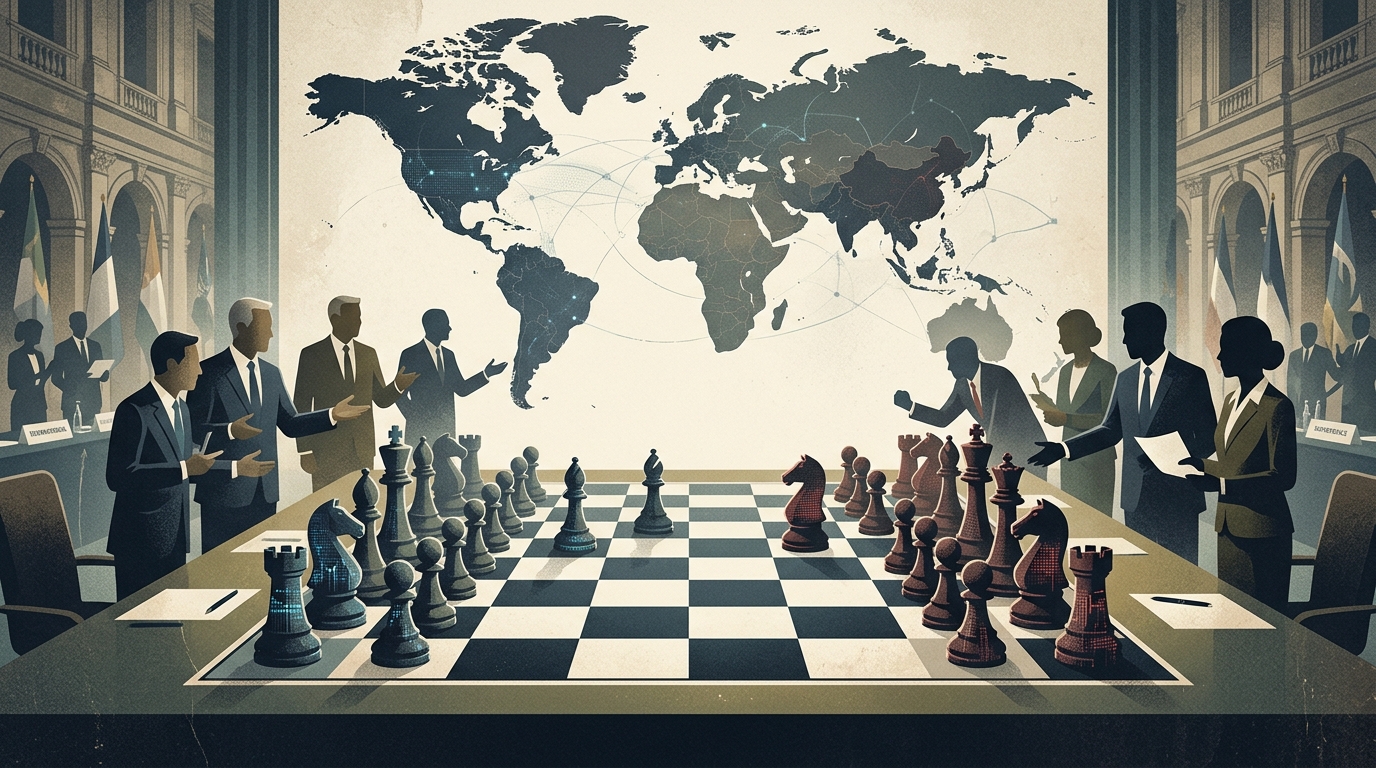
This incident is far more than a simple corporate dispute over Terms of Service (ToS) violations. It represents a critical juncture in the "AI Cold War" between Washington and Beijing. As the US tightens export controls on high-end semiconductors and access to compute power, Chinese firms appear to be pivoting toward more "oblique" methods to bridge the gap, using the outputs of Western models as high-quality training data for their own systems.
Understanding the 'Distillation Attack': Why Anthropic is Alarmed
In the world of machine learning, "knowledge distillation" is a standard technique where a smaller, more efficient model (the "student") is trained to mimic the behavior of a larger, more powerful model (the "teacher"). While this process is legitimate when conducted internally for resource optimization, it becomes an "attack" when a competitor uses a proprietary model’s API to extract millions of responses, which are then used to "teach" their own model the teacher's logic.
Anthropic alleges that Alibaba utilized automated systems to query Claude with extremely complex prompts, forcing the model to reveal its internal reasoning patterns and problem-solving heuristics. By doing so, Alibaba could theoretically develop a model with performance metrics rivaling Claude without spending the billions of dollars required for original R&D, algorithmic development, and ground-up training. It is, essentially, the reverse engineering of artificial intelligence.
The Geopolitical Stakes: US vs. China
Anthropic’s accusation arrives at a time when US-China tech relations are at an all-time low. The Biden administration has repeatedly voiced concerns that Chinese AI progress could be leveraged for military purposes or to enhance state surveillance. Using American intellectual property to accelerate Chinese models, such as Alibaba’s Qwen series, is viewed by Washington as a direct threat to national security.
On the other side, China, facing a blockade from NVIDIA’s top-tier chips, has issued clear directives to its tech giants to achieve "self-reliance" and overtake the West by any means necessary. Knowledge distillation is an incredibly attractive shortcut: it is cheaper, faster, and requires significantly less raw compute power than training a frontier model from scratch. If the allegations hold true, Alibaba has effectively "stolen" Anthropic’s competitive edge using the American company’s own resources.
Implications for the Future of Open and Closed AI
This incident is expected to trigger a series of ripple effects across the global tech sector:
- Stricter API Guardrails: Companies like Anthropic, OpenAI, and Google will likely implement much more aggressive detection systems for "non-human" usage, potentially blacklisting suspicious accounts or entire geographic regions.
- The Legal Gray Zone: Current intellectual property laws struggle to define whether using a model's output to train another constitutes theft. This case could serve as the catalyst for new international legal frameworks.
- A Digital Iron Curtain: We may see a complete bifurcation of the AI internet, where Western models become entirely inaccessible to Chinese IP addresses, and vice versa, creating two parallel and incompatible technological ecosystems.
Anthropic, which positions itself as an "AI safety" company, now finds itself in the ironic position of having to protect its model not from a catastrophic failure, but from its own success making it a prime target for espionage. Alibaba has yet to release a detailed formal response, though in the past, Chinese firms have argued that using publicly available APIs for research purposes is common industry practice.
"This is no longer a competition of products, but a struggle for survival where information is the ultimate weapon," says a Singapore-based tech analyst. "If distillation becomes the norm, the incentive for primary R&D will vanish."
As the fallout from this revelation continues, it is clear that trust in cross-border technological cooperation has taken another devastating hit. The era of "global AI" is rapidly giving way to an era of fortified digital fortresses.