At the dawn of 2026, the line between reality and digital fabrication hasn't just blurred; it has nearly vanished. The case of Vladimir Kuznetsov and Alexei Stolyarov, widely known as "Vovan and Lexus," stands as the most vivid and disturbing evidence of how artificial intelligence can transform a "prank" into a potent weapon of hybrid warfare. What began a decade ago as annoying phone calls to celebrities has evolved into a sophisticated disinformation operation using deepfakes to entrap heads of state and ministers, triggering diplomatic incidents and shaking public trust in institutions.
The Mutation of Deception: From Phones to AI
The activities of Vovan and Lexus are not new, but their methodology has undergone a radical upgrade. In the past, the duo relied on their ability to mimic voices or exploit the lack of rigorous vetting in the telecommunications of world leaders' offices. Today, the integration of AI tools allows them to create audiovisual deepfakes that are nearly indistinguishable from reality in real-time.
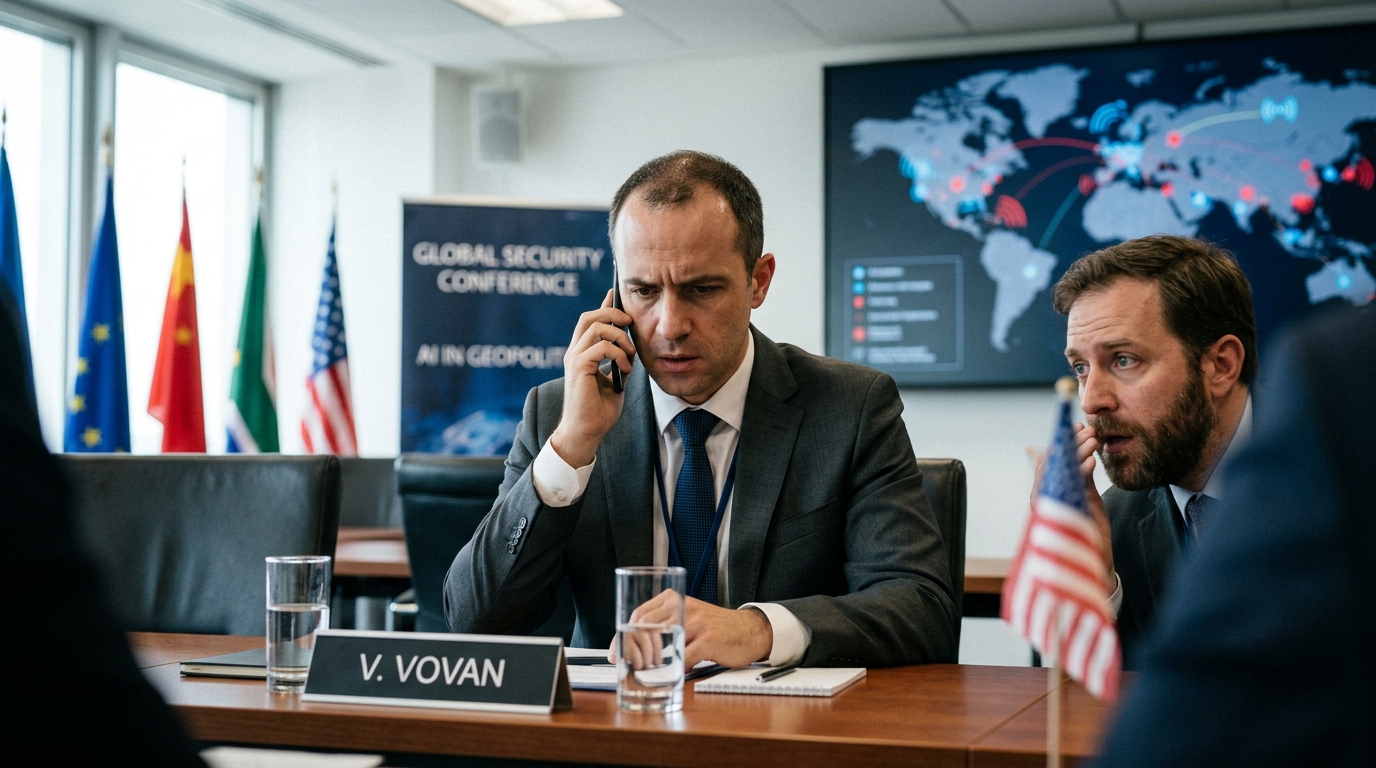
Recent incidents, such as the video call with former British Foreign Secretary David Cameron—who believed he was speaking with former Ukrainian President Petro Poroshenko—highlight the scale of the problem. The perpetrators utilized voice cloning and real-time video manipulation technology, allowing them to maintain a high-level conversation for several minutes before suspicions were raised. This ability to "hijack" the digital identity of leading figures is no longer a joke; it is a strategic threat that exposes security gaps at the very top of the global power hierarchy.
Geopolitical Strategy or Simple Entertainment?
While they self-identify as "comedians" or "journalists," the international community of security analysts holds a very different view. Their choice of targets—almost always individuals at odds with the official Russian line—and the timing of their video releases suggest close cooperation, or at least alignment, with Russian intelligence services (FSB). Vovan and Lexus operate as an informal arm of the Kremlin's soft power (or rather, sharp power), aimed at ridiculing Western leaders and extracting sensitive information.
The content of the conversations they publish often contains admissions that leaders would never make publicly. From fatigue over the war in Ukraine to internal disagreements within NATO, this information is used as ammunition for Russian state propaganda. The use of AI here acts as a power multiplier: it makes the trap more believable and the subsequent humiliation of the victim more profound.
The Vulnerability of Power in the Digital Age
The pressing question is: How is it possible for the staffs of top leaders to fall victim to such schemes? The answer lies in "social engineering" combined with technological superiority. The perpetrators create an entire ecosystem of fraud—fake emails from official domains, prior contacts with aides, and an atmosphere of urgency that bypasses standard vetting protocols.
- Psychological Manipulation: They use topics that are high priority for the target, making them want to believe the call is genuine.
- Technological Cover: The use of VPNs and encrypted channels makes tracing the origin of the call extremely difficult.
- Ethical Erosion: Continuous exposure to such incidents creates a climate of paranoia in diplomacy, where no one can be certain of their interlocutor's identity.
"We are no longer dealing with simple pranksters, but with a new form of digital terrorism targeting the heart of diplomatic communication," states a Europol analyst.
Towards a New Protocol of Truth
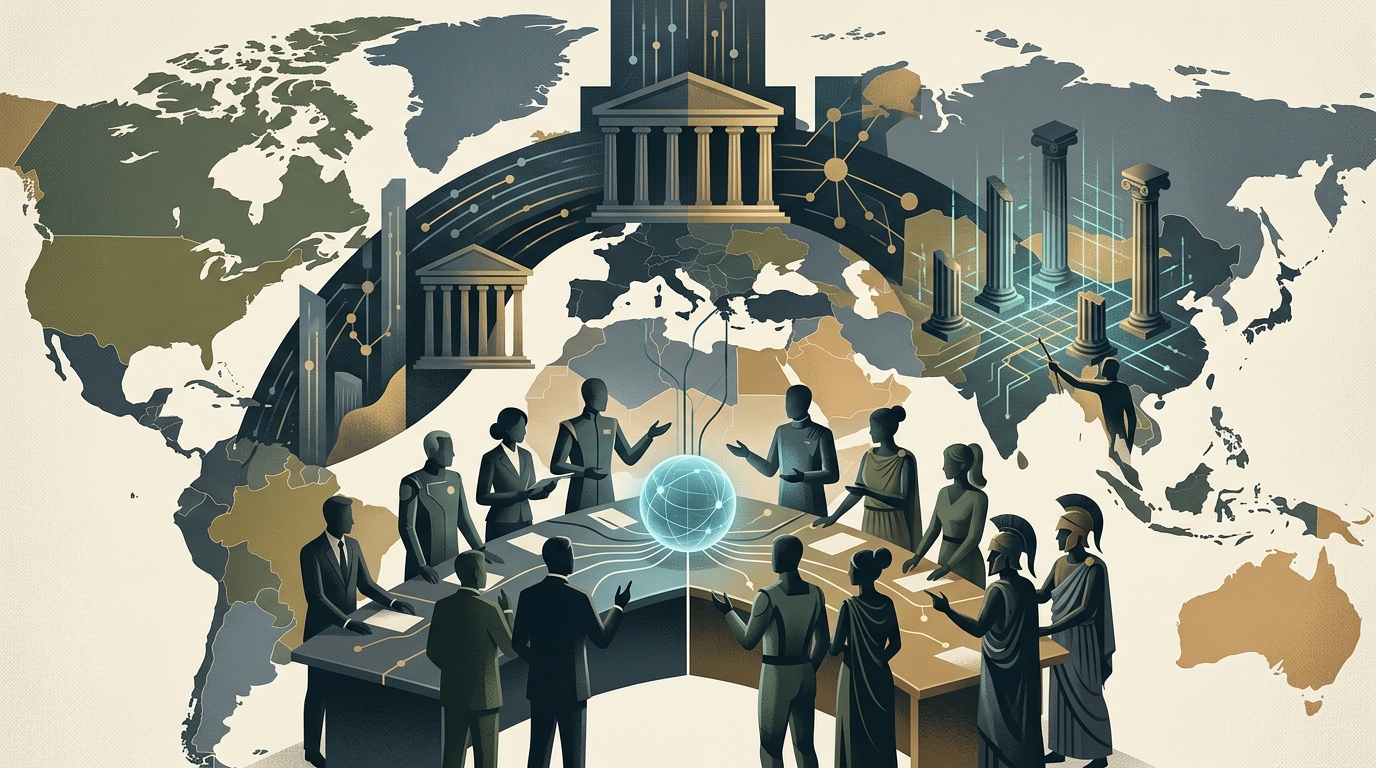
Addressing this threat requires more than just technical filters. It requires a radical rethink of how diplomacy is conducted in the age of AI. Already, some countries have begun implementing "digital signature" systems for video calls and multi-factor authentication even for informal communications. However, technology is evolving faster than bureaucracy.
The future of global stability depends on our ability to recognize the authentic. If world leaders cannot trust the image and voice of their counterparts, international cooperation will collapse into an ocean of suspicion. Vovan and Lexus may be laughing today, but their "joke" is undermining the foundations of the global order, making truth the rarest and most precious commodity in the 21st century.