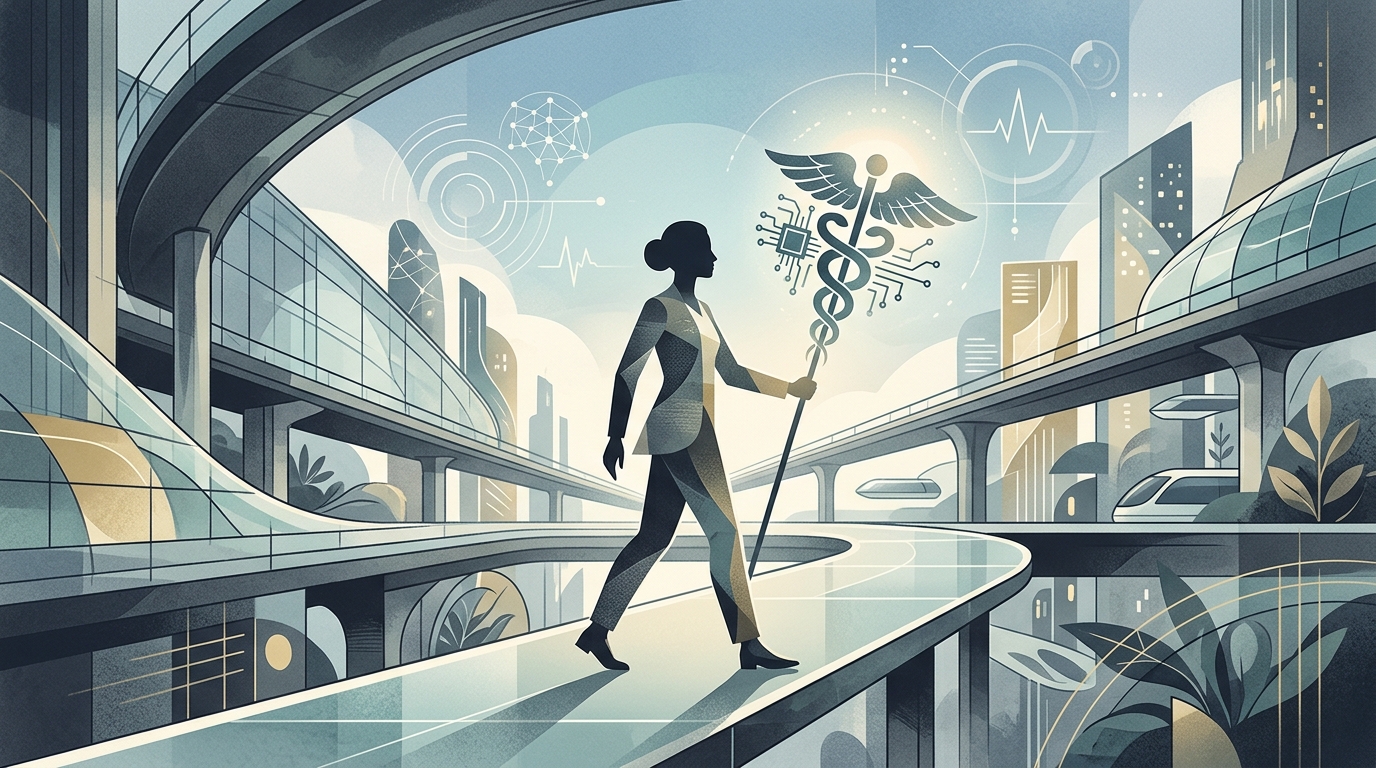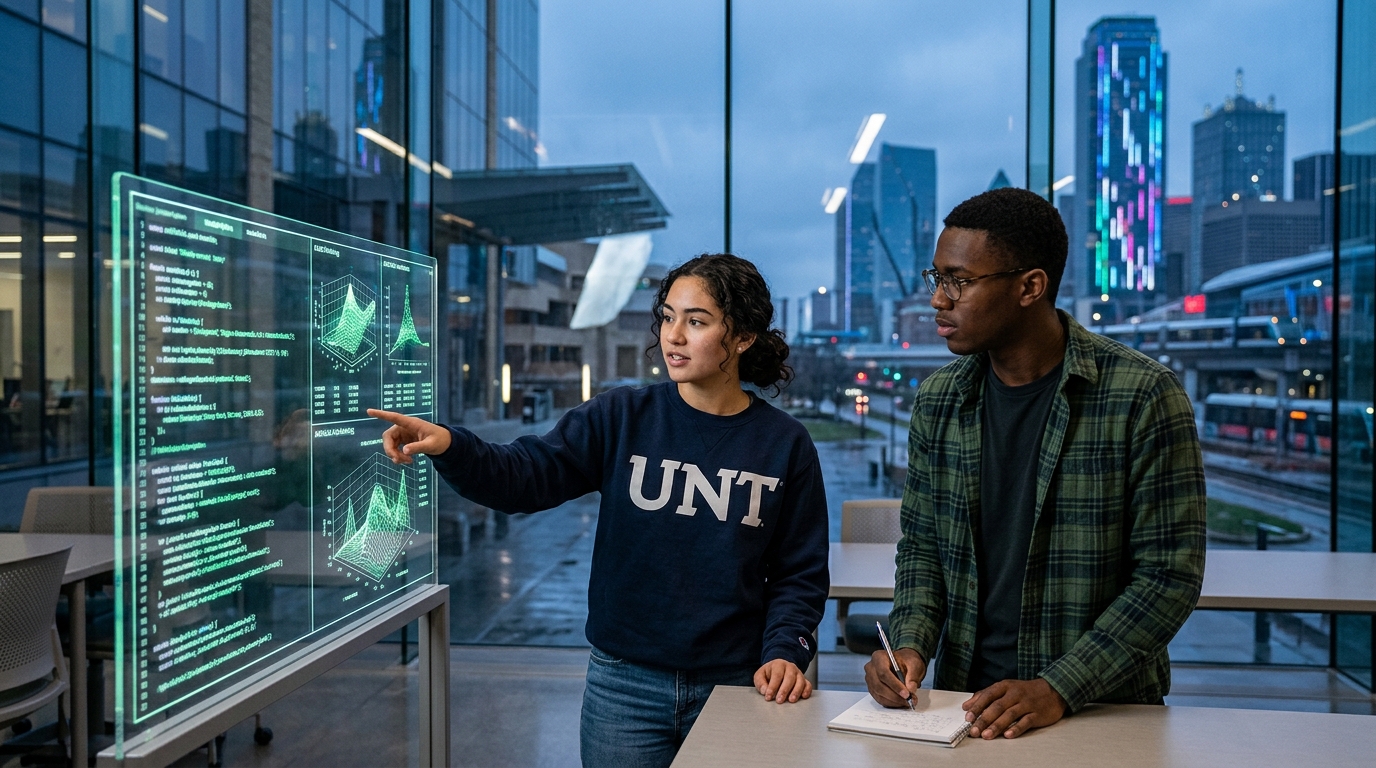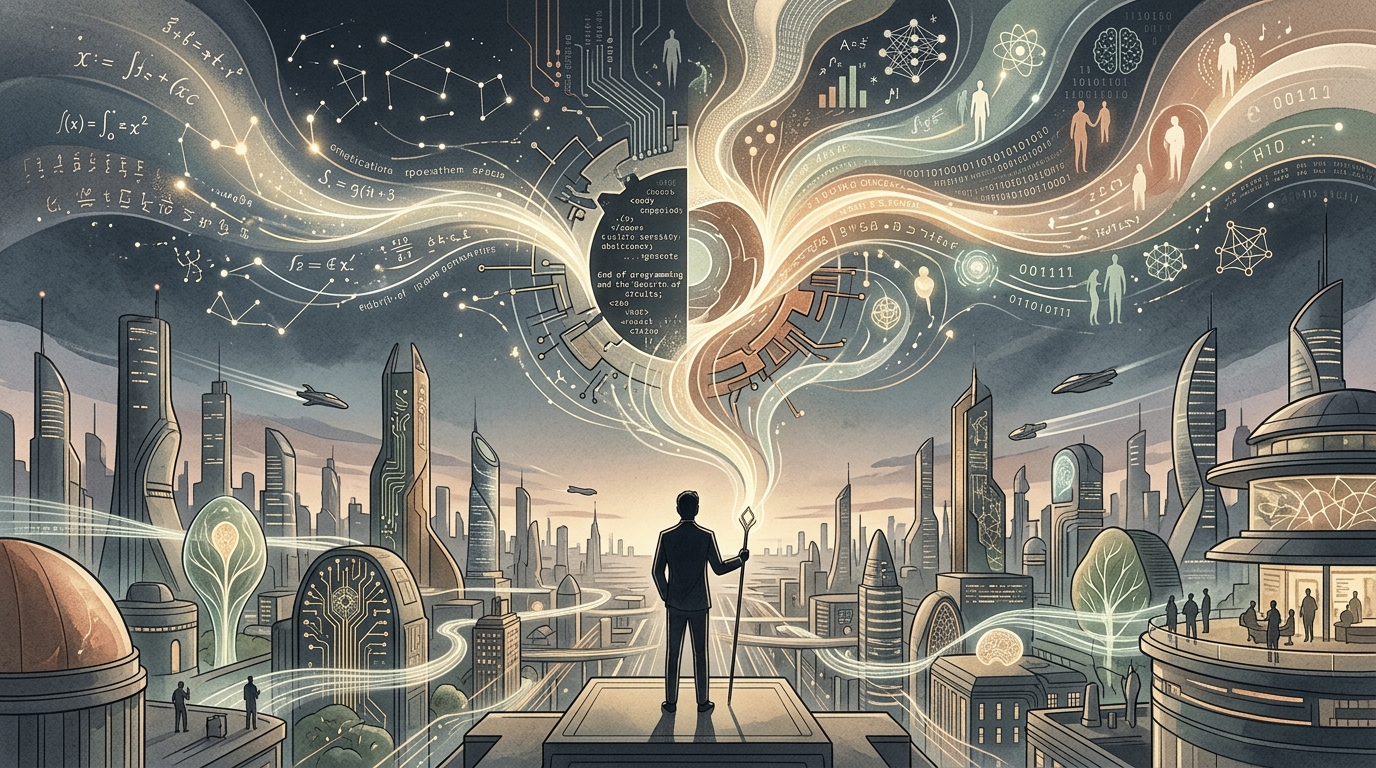
In an era where parents worldwide are pushing their children toward learning programming languages as the ultimate tool for the future, Jensen Huang, the man leading Nvidia and standing at the heart of the Artificial Intelligence revolution, has turned the tables. During the recent World Government Summit in Dubai, Huang made a statement that echoed through the halls of academic institutions and tech giants alike: the age where coding was the essential skill is over.
The Democratization of Technology Through Language
For decades, the prevailing belief was that understanding code was the "golden ticket" to the labor market. Huang, however, argues that Artificial Intelligence has bridged the gap between humans and machines. Now, the programming language is human language. "It is our job to create computing technology such that nobody has to program," he stated. This evolution does not mean the end of technological creation, but its democratization. When anyone can "talk" to a computer and ask it to create an application or analyze data, the barrier to entry into the digital economy collapses.
This shift fundamentally changes the question from "how" we do something to "what" we want to achieve. In the past, a scientist had to spend years learning to translate their ideas into code. Today, AI takes on the role of the translator, allowing the expert to focus on the essence of their research. Huang emphasizes that our attention should shift to fields like biology, agriculture, and manufacturing, where deep domain expertise is far more valuable than the ability to write Python or C++ code.
The Return to Human-Centric Skills
If programming is no longer the goal, then what is? Huang's answer, and that of many labor market analysts, points toward so-called "soft skills," which are proving to be harder and more resilient than ever. Critical thinking, complex problem-solving, empathy, and strategic communication are becoming the new tools of power. In a world where AI can generate content and code in seconds, the ability to ask the right questions (prompt engineering in its most sophisticated form) and evaluate the ethics and quality of the output is what will distinguish leaders from mere users.
Huang suggests that education should focus on the "science of life." Biology, for instance, is no longer just a descriptive science but is being transformed into an engineering science thanks to AI. Understanding how living organisms function and how we can intervene to improve health or the environment requires a multidisciplinary approach that no machine can fully replace without human guidance.
The Challenge for the Educational System
Huang's position raises serious questions about the future of higher education. If universities continue to teach programming as an isolated technical skill, they risk producing graduates whose knowledge will be obsolete before they even receive their diplomas. The need for a holistic education, combining technological literacy with the humanities, is more urgent than ever.
- Redefining curricula with an emphasis on interdisciplinarity.
- Focusing on teaching "learning how to learn" (meta-learning).
- Strengthening moral philosophy to manage AI-driven decisions.
"Artificial intelligence is the first technology in history that doesn't require you to learn its language. It learned ours."
In conclusion, Jensen Huang's prediction is not a message of complacency but a call for a deeper, more meaningful education. The future belongs to those who can combine vision with real-world knowledge, using AI as a powerful lever rather than a substitute for thought. Our children's education should not be about how they will become better "servants of the machines," but how they will become the architects of a world where technology serves human creativity.