The climate crisis is no longer a distant threat described in academic models, but a daily reality reshaping our planet with terrifying speed. According to the latest data from the European Union's Copernicus Climate Change Service (C3S), May 2026 emerged as the second warmest May in recorded history, surpassed only by the extreme May of 2024. This finding is not merely a statistical footnote, but a loud warning bell for the permanent establishment of extreme phenomena as the new normal.
The Anatomy of a Thermal Anomaly
Data released by Copernicus reveals that the global average surface air temperature for May 2026 was significantly higher than the 1991-2020 average. Although the El Niño phenomenon, which fueled the record temperatures of 2024, has now dissipated, temperatures remain at levels that shock scientists. This suggests that anthropogenic global warming, driven primarily by the burning of fossil fuels, has now overtaken natural climate variability.
Particularly concerning is the state of the oceans. Sea surface temperatures have remained at record levels for more than 14 consecutive months. The oceans absorb over 90% of the excess heat trapped by greenhouse gases, and their current thermal state acts as 'fuel' for increasingly intense storms and hurricanes, while simultaneously threatening marine ecosystems with irreparable damage.
Europe at the Epicenter of the Crisis
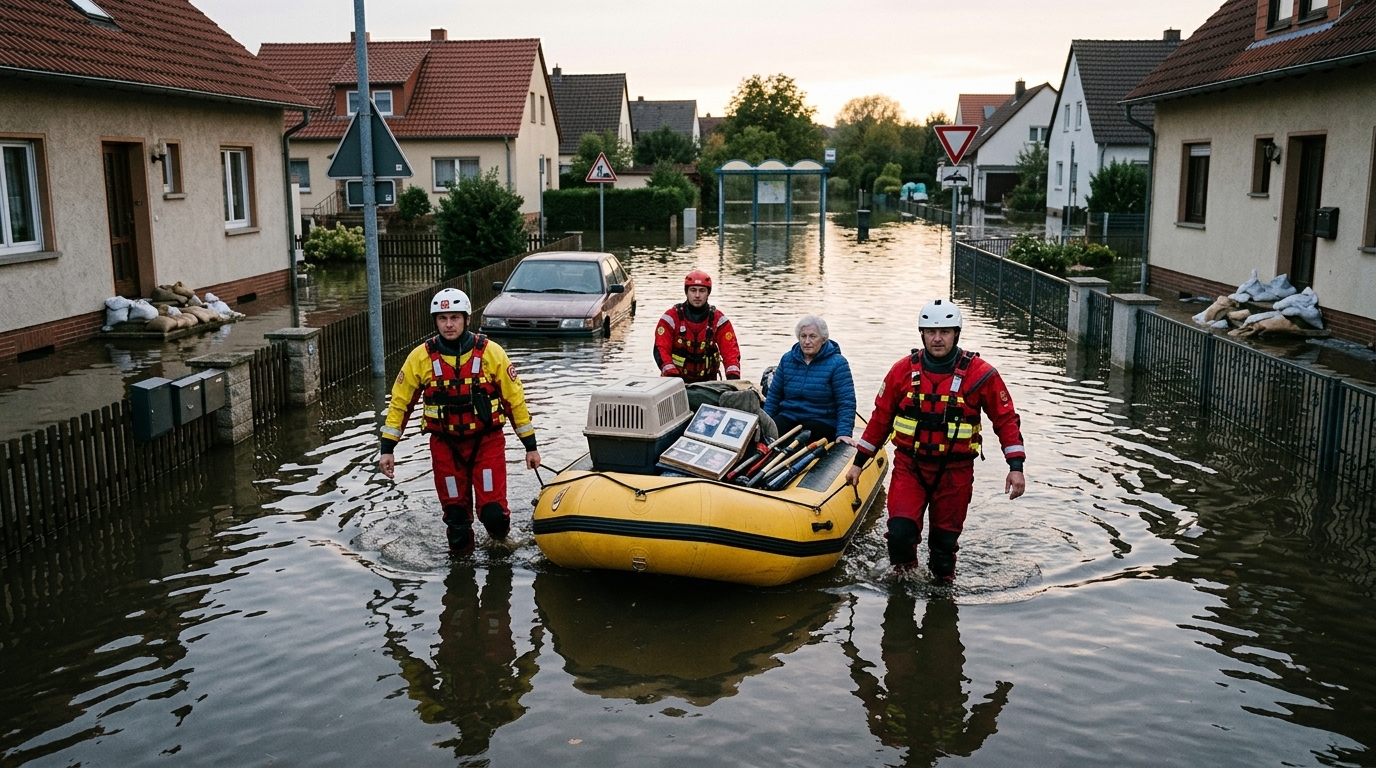
For the old continent, and specifically for the Mediterranean basin, the news is grim. Europe is the fastest-warming continent in the world, heating up at twice the global average rate. May 2026 saw extreme contrasts: while parts of Northern Europe experienced unusual rainfall and flooding, the South began to 'scorch' under early heatwaves and prolonged drought.
In countries like Greece, the transformation of extreme phenomena into a norm translates into a constant state of alert. Scientists warn that prolonged heat during the spring sets the stage for an explosive summer, dramatically increasing the risk of wildfires. Soil moisture is decreasing, vegetation is drying out prematurely, and water resources are under unprecedented pressure, directly affecting agricultural production and the rural economy.
From Prediction to Experience: Social Implications
Samantha Burgess, Deputy Director of Copernicus, emphasized that 'the climate continues to surprise us, but not in the way we would like.' Exceeding the 1.5°C threshold on a 12-month basis—a milestone target of the Paris Agreement—is now occurring with increasing frequency. While a temporary breach does not mean a definitive failure of international goals, it serves as a grim preview of what is to come if radical emission reductions are not achieved.
- Food Security: Unstable weather patterns destroy crops, leading to price hikes in basic commodities.
- Public Health: Prolonged exposure to high temperatures increases mortality and strains healthcare systems.
- Infrastructure: Power grids and urban infrastructure were not designed to withstand continuous thermal stress.
"We no longer live in a world of stability. Volatility is our only constant, and adaptation is no longer an option, but a necessity for survival," climate analysts state.
The international community stands at a crossroads. While the technology for the green transition exists, political will often lags behind the speed at which the climate is changing. The Copernicus data for May 2026 is a reminder that time is not just limited; it is running out. The need for systemic change in how we produce energy, consume resources, and protect our ecosystems is more urgent than ever.