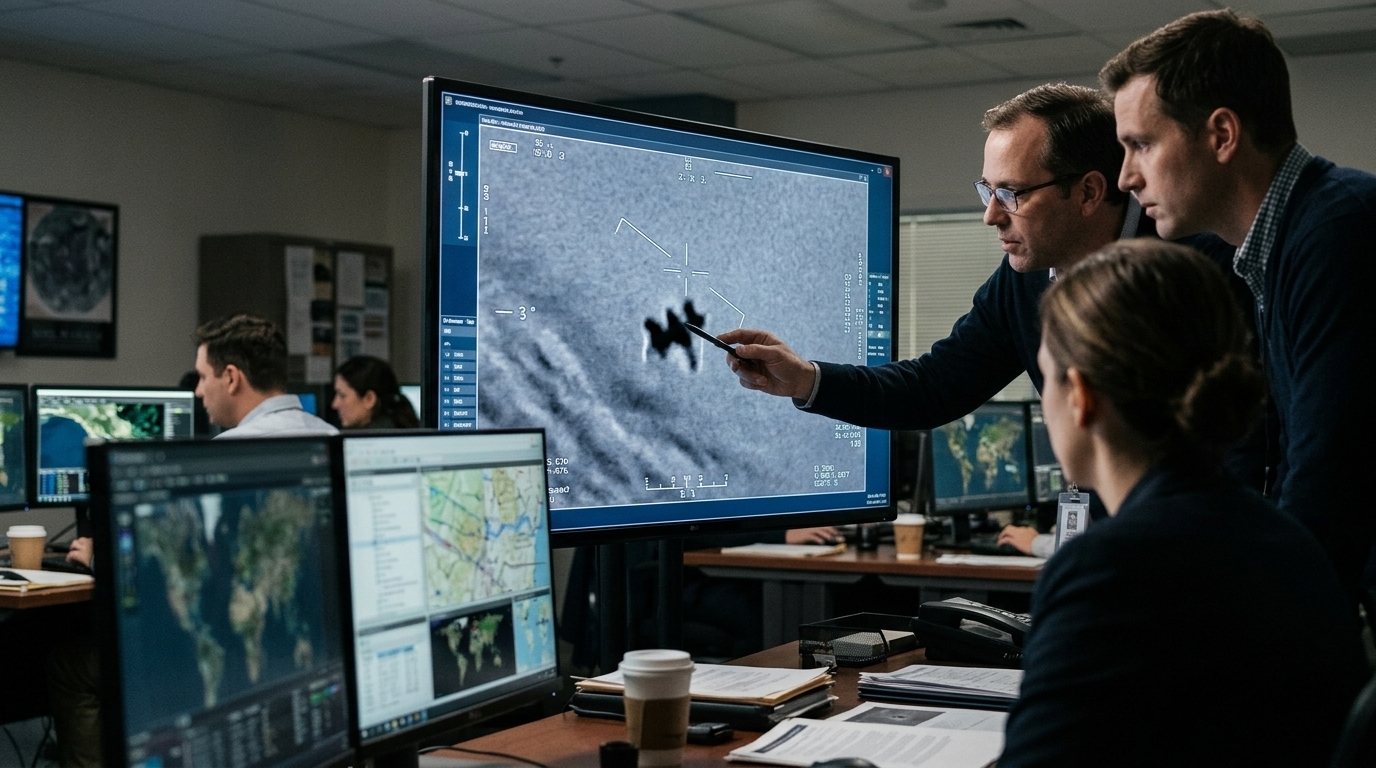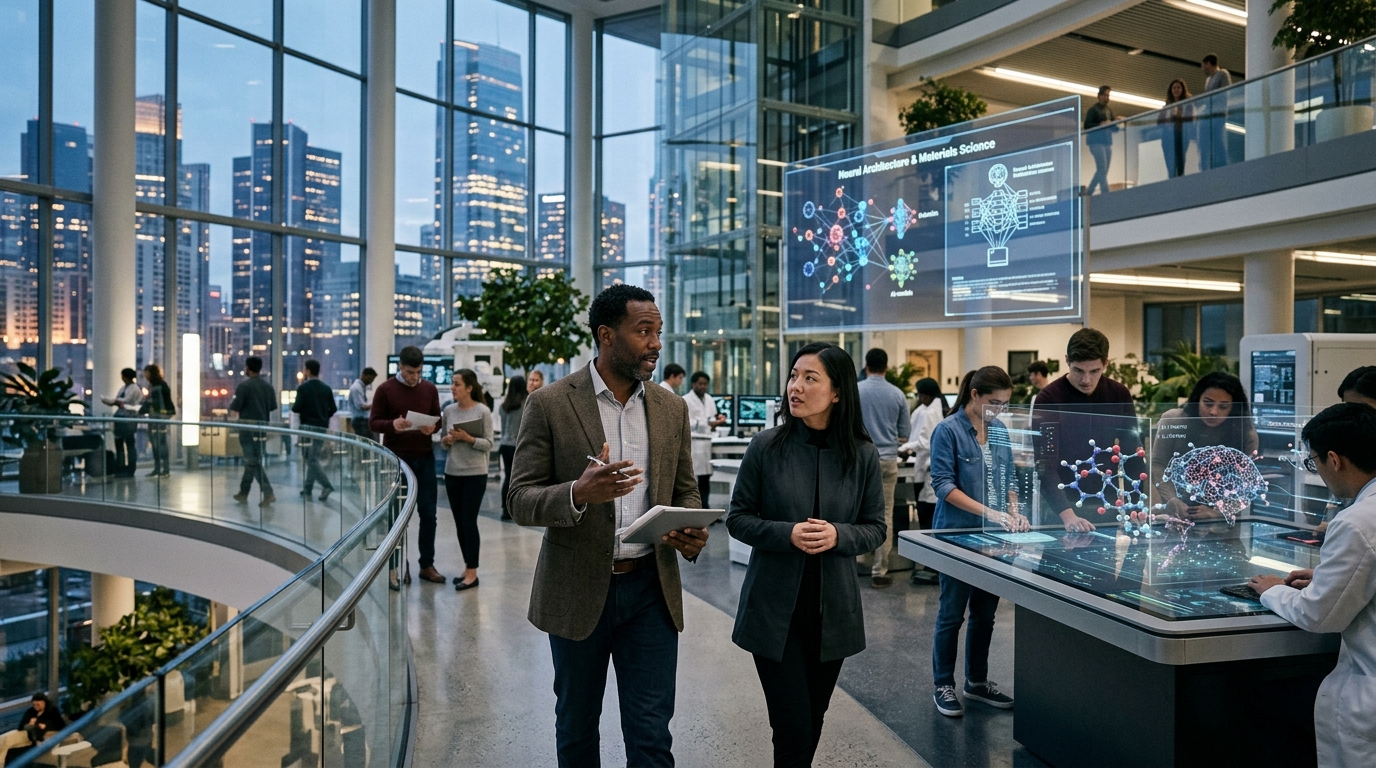
As we navigate the summer of 2026, the academic world stands at a pivotal crossroads. The era where a scientist was defined by their ability to perform painstaking laboratory measurements or memorize vast volumes of literature is fading. Today, at the world’s leading universities, the debate is no longer about whether Artificial Intelligence (AI) should be used in research, but how to train the next generation of researchers so they don't become mere observers of algorithms.
The Shift from Execution to Synthesis
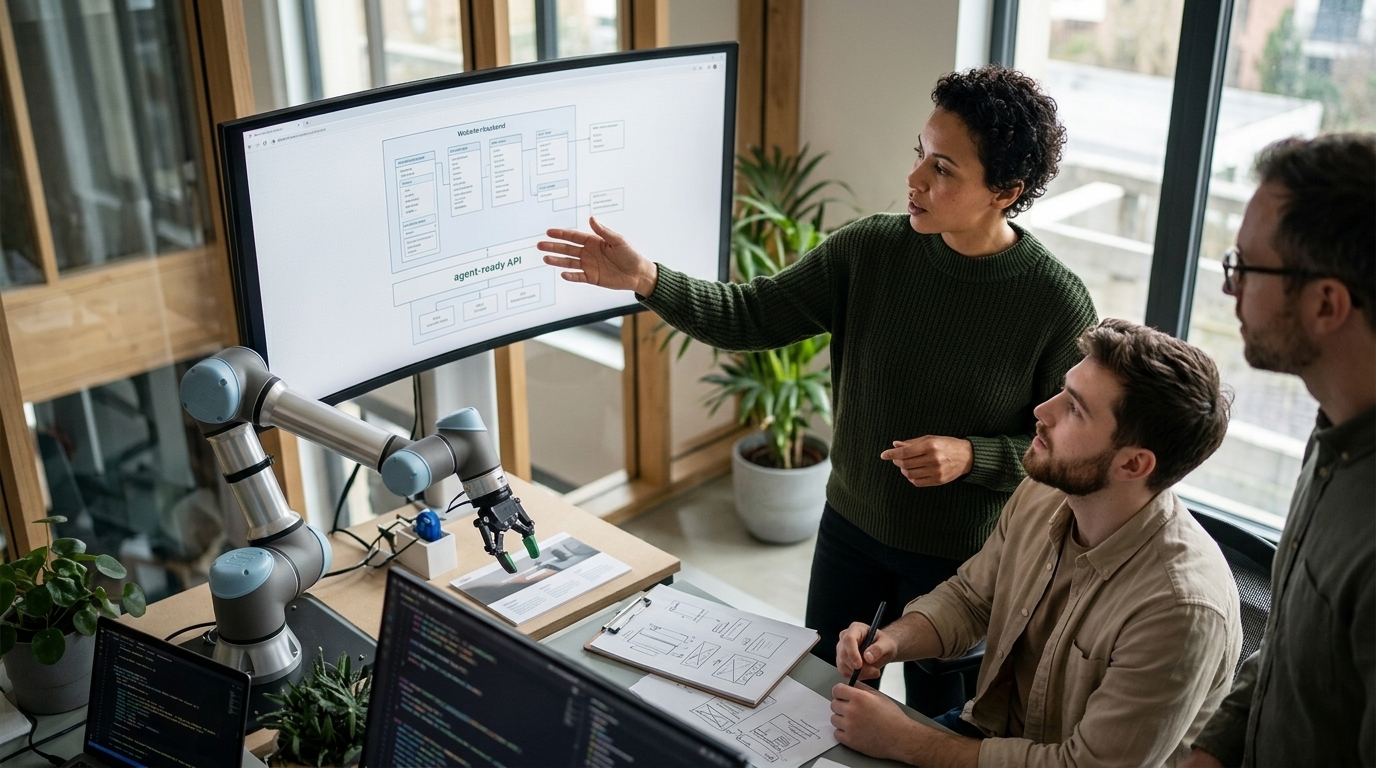
For decades, scientific education was rooted in "learning by doing"—often meaning manual repeatability. Chemistry students spent hours titrating solutions, and biologists spent days documenting observations under microscopes. However, with the advent of "self-driving labs" and models that predict protein folding in seconds, the value of manual labor is diminishing. The new emphasis is on synthetic thinking.
Modern scientists must now act as "conductors" of algorithms. The ability to pose the right research question (scientific-grade prompt engineering) and evaluate the validity of AI-generated results is now more critical than technical measurement skills. This necessitates a radical overhaul of curricula, integrating statistical analysis and the philosophy of science from the very first year of undergraduate studies.
The Challenge of the "Black Box" in Research
One of the primary concerns voiced by academics is the risk of "black box science." When an AI model suggests a new battery material or a drug candidate, the scientist must understand why it works. Educating new scientists must include a deep dive into explainability. If students rely blindly on AI suggestions, we risk losing the fundamental understanding of physical laws that underpins human progress.
- Integration of Computational Thinking across all STEM fields.
- Teaching AI Ethics as a mandatory core subject.
- Developing critical skills to identify "hallucinations" in synthetic data.
- Focusing on interdisciplinarity: Biologists must know coding; physicists must understand ethics.
"We are no longer training people who know the answers, but people who know how to ask the machines and how to challenge their answers," states a leading professor from MIT.
The New Scientist Model: The "Hybrid" Researcher
The transition is not without its hurdles. There is a growing concern about the "digital divide" in research. Universities with massive computing budgets (mostly in the US and China) could monopolize discovery, leaving smaller institutions behind. To counter this, higher education must pivot toward Open Science and collaborative frameworks that democratize access to AI tools.
In conclusion, building scientists in the AI era is not about replacing humans with machines; it is about amplifying human creativity. The scientist of the future will be less of a "technician" and more of a "visionary strategist," using AI to transcend the limits of human cognitive capacity. This new breed of researchers will be tasked with solving global challenges—from climate change to complex pandemics—at speeds that were once considered science fiction.