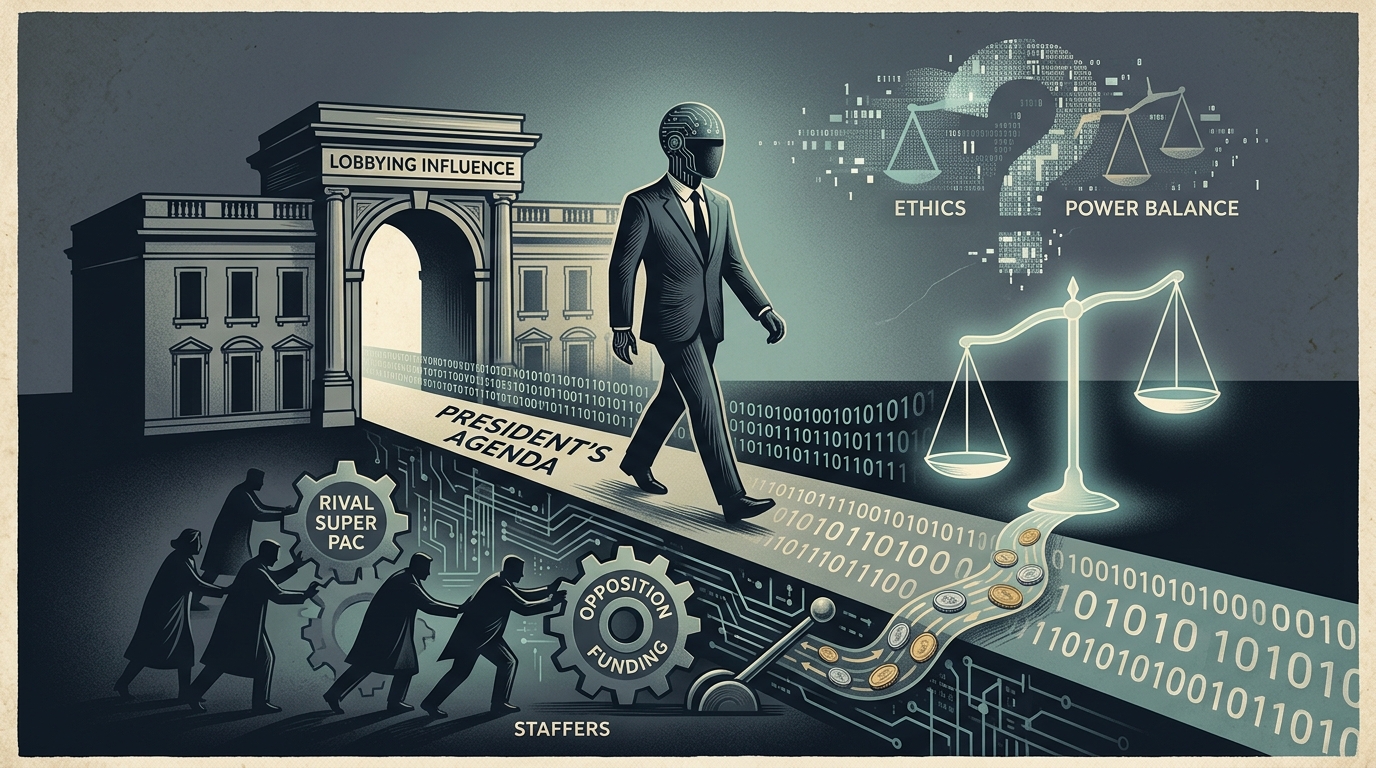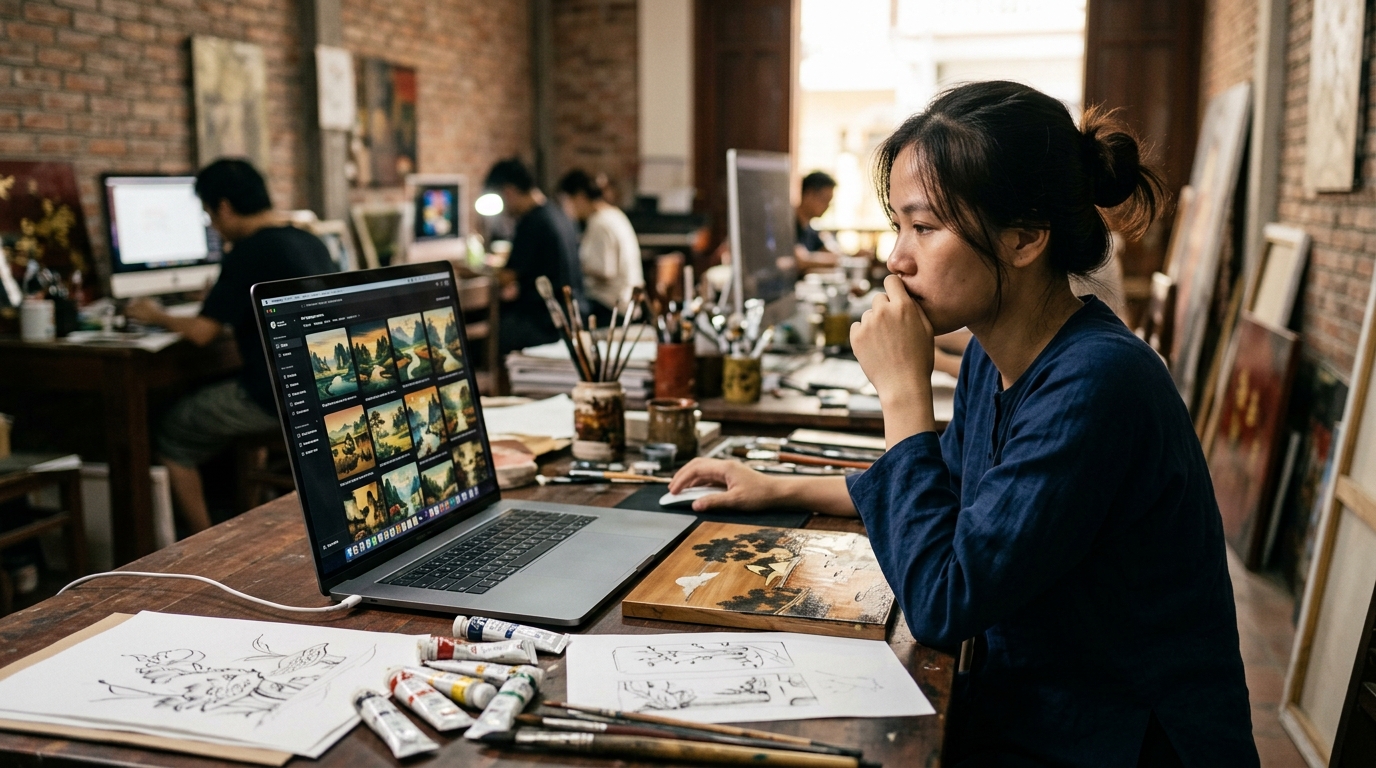
In the vibrant creative hubs of Hanoi and Ho Chi Minh City, a new digital storm is brewing. For years, Vietnam has been a rising star in the global creative economy, but the advent of Generative AI is casting a long shadow over the future of its artists. From traditional silk painters to cutting-edge digital illustrators, the community is grappling with a fundamental question: In an era where machines can mimic a lifetime of stylistic development in seconds, who truly owns the art?
The rise of AI-generated imagery has moved beyond a mere technological curiosity to become a direct threat to the livelihoods of Vietnamese creators. As global tech giants scrape the internet for training data, the unique cultural aesthetics and individual styles of local artists are being absorbed into vast algorithmic maws without consent, credit, or compensation. This isn't just a matter of copyright; it's a battle for the soul of Vietnamese creativity.
The Legal Vacuum and the Ethics of Data Scraping
Vietnam's legal framework regarding Intellectual Property (IP) is currently in a state of catch-up. While the country has made strides in aligning its laws with international standards, the specific challenges posed by AI training were largely unforeseen. Artists often find their portfolios—painstakingly built on platforms like Behance or ArtStation—used as fodder for models like Midjourney or DALL-E. When a user prompts an AI to create an image "in the style of" a specific Vietnamese illustrator, the machine delivers a derivative work that directly competes with the original artist's market.
This issue is particularly acute in Vietnam's massive outsourcing sector. The country is a primary destination for global gaming and animation companies seeking high-quality asset production. There is a growing fear that as AI tools become more sophisticated, the very artists who helped build these global franchises will see their own work used to train the software that eventually replaces them. This creates a cycle of self-cannibalization where the creator provides the fuel for their own obsolescence.
Cultural Appropriation and Algorithmic Homogenization
Beyond the economic impact lies a deeper concern regarding cultural identity. Vietnamese art is deeply rooted in the country's history, folklore, and social fabric. When AI models generate "Vietnamese-style" art based on uncurated datasets, they often strip away the context and meaning, leaving behind a hollow aesthetic shell. This process of algorithmic homogenization risks reducing a rich cultural heritage to a series of decorative patterns, controlled and monetized by entities far removed from the source culture.
"Art is a reflection of the human experience. When we allow machines to replicate it without understanding, we risk losing the narrative that defines us as a people," says a prominent digital artist from Ho Chi Minh City.
The danger is that the global AI market, dominated by Western and East Asian tech giants, will dictate the visual language of the future, effectively colonizing the digital creative space of developing nations like Vietnam. Without intervention, the unique voice of the Vietnamese artist may be drowned out by a sea of AI-generated derivatives.
Strategies for Resilience and Regulatory Reform
In response to these threats, the Vietnamese artistic community is becoming increasingly organized. There is a burgeoning movement toward using "adversarial" technology—tools like Glaze and Nightshade—that subtly alter pixels to prevent AI models from accurately learning an artist's style. These technological shields are a temporary fix, but they signal a broader resistance against the unauthorized use of creative labor.
Furthermore, there are growing calls for the Vietnamese government to implement a "sovereign AI" strategy that prioritizes local creators. This includes:
- Mandating transparency in AI training datasets.
- Establishing a licensing framework for the use of copyrighted works in AI development.
- Providing legal aid for artists to combat IP infringement.
- Fostering local AI initiatives that are built on ethical, opt-in data practices.
The path forward requires a delicate balance. Vietnam cannot afford to turn its back on AI, which offers immense potential for innovation and efficiency. However, that progress must not come at the expense of the human creators who are the bedrock of the nation's cultural and economic soft power. As the digital landscape continues to shift, the protection of intellectual property in the age of AI will be the defining challenge for Vietnam's creative industry.