In an era where digital saturation is the norm, a striking new study has revealed a profound shift in how the younger generation seeks help. Nearly one in five U.S. teenagers are now turning to Artificial Intelligence (AI) chatbots for mental health advice. This trend is not merely a testament to technological adoption; it is a stark reflection of a healthcare system that is often perceived as inaccessible, prohibitively expensive, or shrouded in stigma.
The Rise of the Algorithmic Confidant
The study highlights that adolescents are increasingly utilizing general-purpose AI like ChatGPT and Claude, as well as specialized wellness bots, to navigate the complexities of anxiety, depression, and social dynamics. Several factors drive this migration toward silicon-based support. Primarily, AI offers 24/7 availability—a feat no human practitioner can match. For a teenager experiencing a crisis at 2:00 AM, the immediate response of a chatbot provides a semblance of relief that traditional services cannot.
Furthermore, the perceived anonymity of a digital interface lowers the barrier to entry. Many young people fear being judged by parents, teachers, or even professional therapists. A chatbot, devoid of human prejudice, offers a safe space—or at least the illusion of one—to voice thoughts that might otherwise remain suppressed. However, this convenience comes with significant caveats. Large Language Models (LLMs) are designed to predict the next token in a sequence, not to understand the nuances of human suffering. The risk of 'hallucinations'—where the AI provides factually incorrect or dangerously misleading advice—remains a critical concern in clinical contexts.
Systemic Failures and Ethical Dilemmas
The reliance on AI for mental health does not occur in a vacuum. The United States is currently facing a chronic shortage of pediatric mental health professionals, coupled with a healthcare model that leaves many families underinsured. For a significant portion of the population, a free or low-cost chatbot isn't a secondary option; it is the only option. This reality places a heavy ethical burden on tech giants.
- The lack of specific regulation allows non-clinical AI tools to operate as de facto therapists without oversight.
- Data privacy is a paramount concern, as minors share their most intimate psychological vulnerabilities with corporate-owned algorithms.
- There is a growing risk of 'algorithmic self-diagnosis,' which may lead teens to bypass professional medical intervention for serious conditions.
Clinicians argue that while AI can mimic empathy through sophisticated natural language processing, it lacks the 'therapeutic alliance'—the fundamental human bond that is the cornerstone of effective treatment. Psychotherapy is an art of understanding context, subtext, and shared humanity, elements that currently lie beyond the reach of any code.
The Road Ahead: Augmented, Not Automated
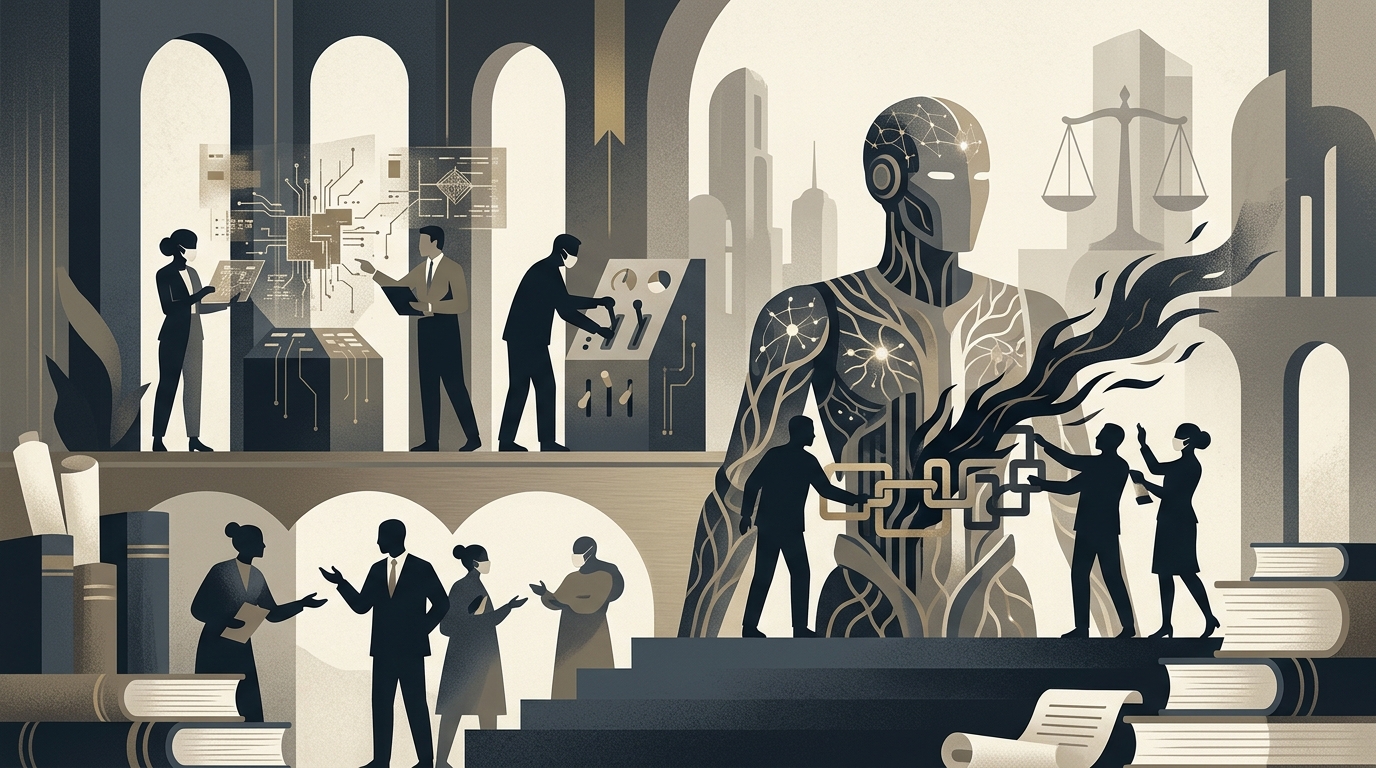
As we move forward, the goal should not be to banish AI from the mental health sphere but to integrate it with rigorous safety standards. A hybrid approach, where AI serves as a triage tool or a supportive bridge between human sessions, shows promise. However, this requires a robust regulatory framework that distinguishes between a 'wellness assistant' and a 'clinical device.'
"AI can listen, but it cannot witness. In the realm of mental health, being witnessed by another human being is where the healing begins," notes a prominent clinical psychologist.
Ultimately, the fact that 20% of teens are seeking solace in machines is a wake-up call. It highlights the urgent need to expand human-centric mental health resources while simultaneously establishing ethical guardrails for the digital frontier. AI may be a powerful tool, but the stewardship of a child's mental well-being must remain a human endeavor.