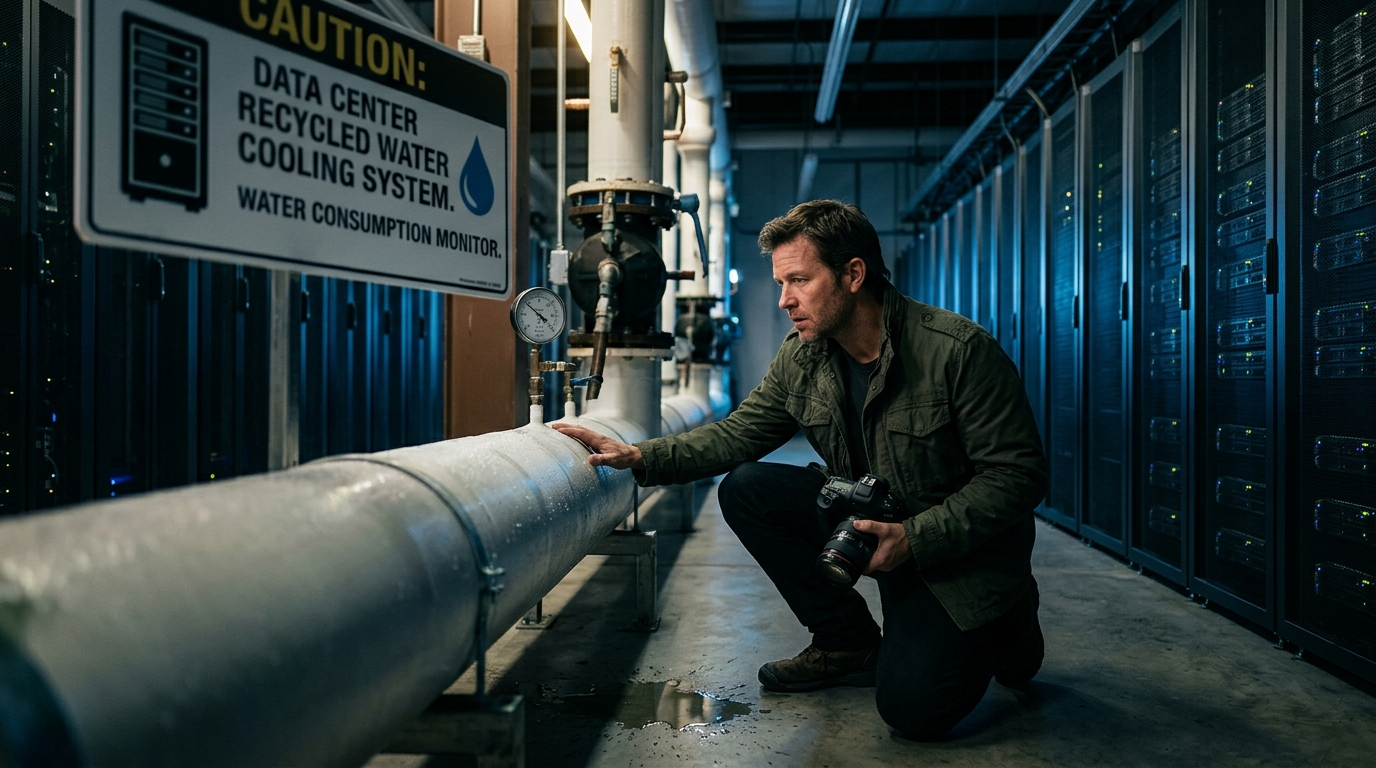
When we think of Artificial Intelligence, the image that comes to mind is usually ethereal: code running on invisible networks, data clouds, and digital assistants responding instantaneously. However, the reality of AI is deeply material and exceptionally thirsty. The massive data centers housing the computational power for models like GPT-4, Gemini, and Claude require millions of liters of water for cooling, creating a new environmental challenge in a world already plagued by water scarcity.
The Physicality of the Digital Realm
The operation of high-performance processors generates immense amounts of heat. To prevent system failure, data centers primarily use cooling systems based on water evaporation. According to recent studies from researchers at the University of California, Riverside, an exchange of 20 to 50 prompts and responses with an AI model can "cost" the environment approximately half a liter of water. When considering the millions of daily users, this figure becomes astronomical.
The problem is not limited to the use of models (inference) but begins with their training. Training GPT-3 at Microsoft's facilities in Iowa is estimated to have consumed 700,000 liters of fresh water—an amount sufficient to produce 370 BMW cars or 320 Tesla vehicles. With the advent of even more complex models, these requirements have multiplied significantly.
The Geopolitics of Scarcity and Corporate Responsibility
The location of data centers plays a decisive role. Often, tech giants install infrastructure in regions with low energy costs or tax incentives, which may, however, face severe water supply issues. In Arizona, USA, or parts of Chile and Uruguay, the presence of data centers has sparked social tensions, as local communities see their water resources diverted to cool servers instead of being used for drinking or agriculture.
Companies like Microsoft, Google, and Meta have pledged to become "water positive" by 2030, meaning they intend to return more water to the environment than they consume. However, critics point out that measurement methods are often opaque. For instance, the water consumed for generating the electricity that powers these centers (indirect consumption) is frequently omitted from official sustainability reports.
Seeking Sustainable Solutions
The tech industry is now called upon to innovate not just in algorithms, but in infrastructure. Some of the proposed solutions include:
- Closed-Loop Cooling Systems: Using refrigerants that do not evaporate, drastically reducing the need for water replenishment.
- Use of Seawater or Recycled Water: Although requiring more expensive infrastructure to prevent corrosion, this reduces pressure on potable water supplies.
- Computational Load Shifting: Routing heavy processing tasks to data centers located in cooler climates or regions with water abundance during nighttime hours.
The ethical dimension of the issue remains urgent. As the climate crisis deepens, society must decide if the speed of technological progress is worth the price of depleting our most precious natural resources. Transparency from companies and strict legislation from governments are no longer optional but necessary to ensure a sustainable digital future.