The promise of Artificial Intelligence (AI) was, from the outset, the democratization of knowledge and productivity. From Silicon Valley labs to European capitals, the narrative remains consistent: a technology so powerful it will level the playing field for every human on the planet, regardless of their background or economic status. However, as AI becomes increasingly integrated into our daily lives, cracks are beginning to appear in this utopian image. Access to AI is neither universal nor equitable, and the "digital divide" of the past is now transforming into a "cognitive cliff."
The $20 Monthly Wall
The first and most obvious barrier is economic. While models like ChatGPT or Claude offer free versions, the truly potent capabilities—those that provide a competitive edge in the labor market—are hidden behind subscription walls. For a user in the US or Europe, $20 a month might seem like a reasonable price for a productivity tool. However, for a student in sub-Saharan Africa or a freelancer in Southeast Asia, this amount can equal several days' worth of income.
This pricing strategy is creating a new class of "data-rich" and "data-poor" individuals. Those who can afford to pay for top-tier models gain access to better education, faster coding, and more efficient data analysis. The rest are confined to older, less accurate models, a fact that will inevitably lead to a widening of global economic inequality rather than its reduction.
Linguistic Hegemony and Cultural Exclusion
Another critical issue is linguistic bias. The vast majority of Large Language Models (LLMs) have been trained primarily on English-language data. This affects not only the AI's ability to communicate in other languages but also the way it "thinks." The values, traditions, and social norms embedded in these models are often Western-centric.
- Low-resource languages are treated as secondary, resulting in higher error rates and more frequent hallucinations.
- Cultural diversity is lost as AI tends to homogenize its responses based on dominant Anglo-Saxon patterns.
- Access to knowledge becomes filtered through a specific cultural lens, limiting critical thinking at a local level.
Even in countries with rich linguistic heritages, we see that while AI can understand the local language, its syntax and mode of expression often betray a "translated" logic, lacking the depth and idiomatic richness of the native tongue.
Infrastructure, Geopolitics, and Physical Accessibility
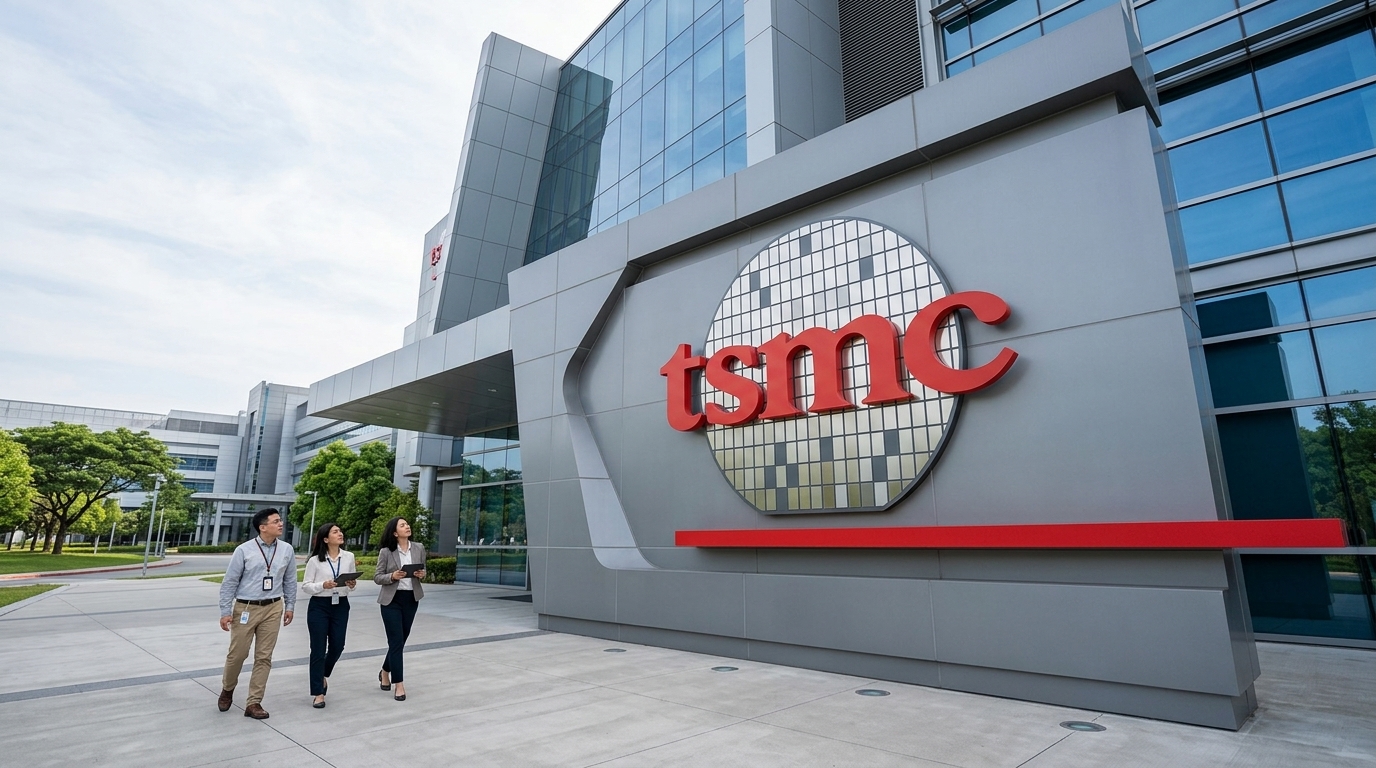
Beyond software, AI requires massive infrastructure. Access to computing power (GPUs) is now the new "oil." Countries that lack the capital or technological infrastructure to host their own models become digital vassals of major tech giants. Furthermore, geopolitical instability and trade restrictions (such as chip export bans) make AI a tool of power and diplomatic leverage.
"Artificial intelligence is not just code; it is the concentrated power of infrastructure and data. Whoever controls access to these, controls the future of human activity."
Finally, we must not overlook accessibility for people with disabilities. While AI has the potential to be the ultimate assistant for those with visual or hearing impairments, interface designs often overlook these needs. The complexity of the tools and the requirement for high-speed internet connections exclude millions living in areas with limited infrastructure.
Conclusion: Toward a Truly Inclusive AI
For Artificial Intelligence to become truly accessible, a coordinated effort from governments, international organizations, and the tech community is required. Developing open-source models, investing in local infrastructure, and creating multicultural datasets are essential steps. Access to AI should not be considered a luxury, but a fundamental right in the digital age. If we fail to bridge this gap now, we risk creating a world where intelligence—even artificial—is the privilege of the few.