For centuries, humanity has constructed its civilization upon the unshakeable belief in its own exceptionalism. We viewed ourselves as the center of the universe, the sole possessors of reason, and the exclusive creators of meaning. However, the history of science is a series of painful awakenings. Sigmund Freud famously noted that humanity has suffered three great narcissistic wounds: the first from Copernicus, who removed us from the center of the cosmos; the second from Darwin, who stripped us of the privilege of divine origin; and the third from Freud himself, who proved that we are not even masters of our own home, our unconscious.
Today, as we navigate the summer of 2026, we are faced with the fourth and perhaps most definitive wound: Artificial Intelligence. It is no longer a mere technological advancement but an existential challenge that calls into question the last bastion of our pride—our cognitive superiority.
The Dismantling of Cognitive Monopoly
Until recently, we believed that creativity, strategic thinking, and the synthesis of complex ideas were exclusively human traits. The emergence of models that not only process information but generate art, code, and scientific hypotheses with a speed that far exceeds our biological capacity has shaken this confidence. When a machine can write a poem that moves the soul or solve a physics problem that has baffled scientists for decades, what remains for the human?
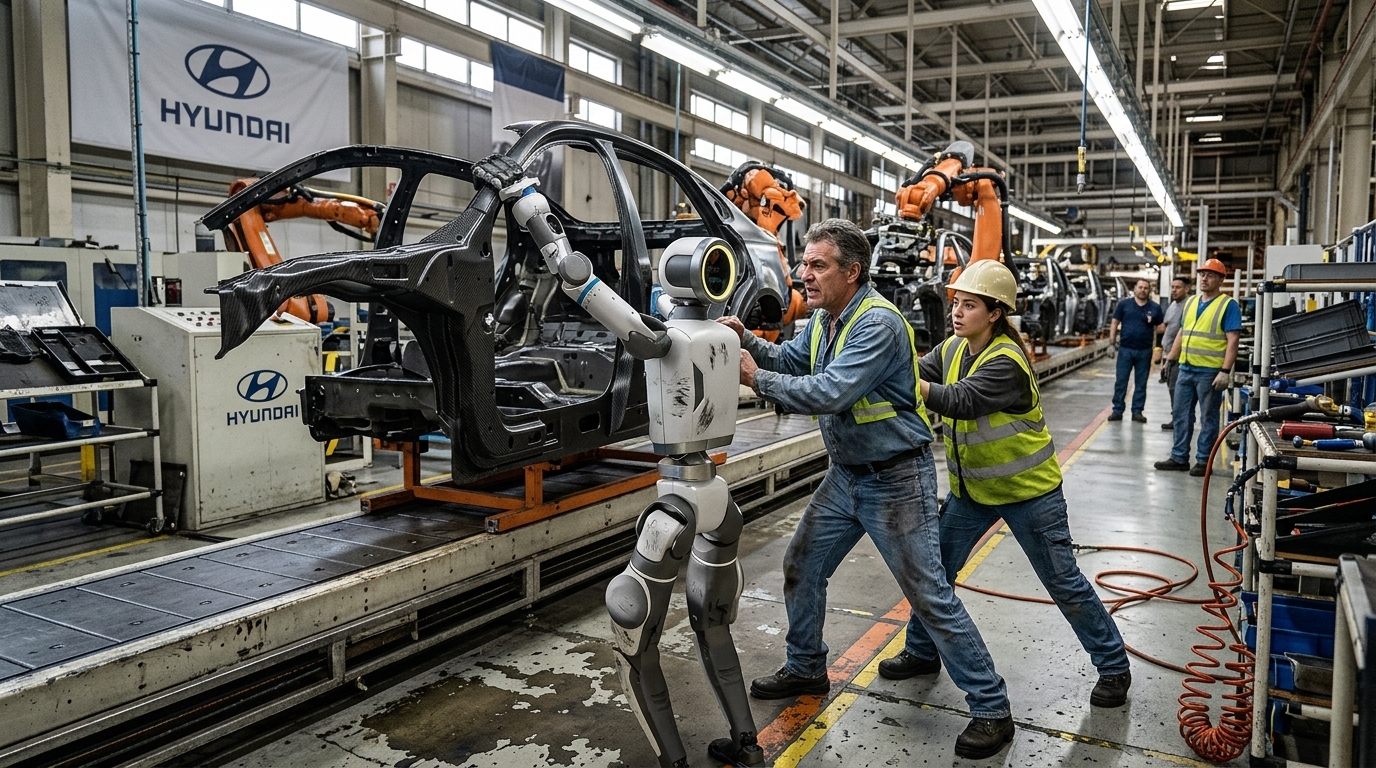
Countercurrents and other critical thinkers warn that AI is not just replacing jobs; it is replacing our sense of purpose. If intelligence—the very trait that gave us the name Homo Sapiens—can be produced artificially and in abundance, then its value as a marker of human superiority is dramatically devalued. Our pride takes a hit because we realize that the "spark" of genius may ultimately be a highly complex but predictable algorithm.
The Crisis of Meaning in the Age of Automation
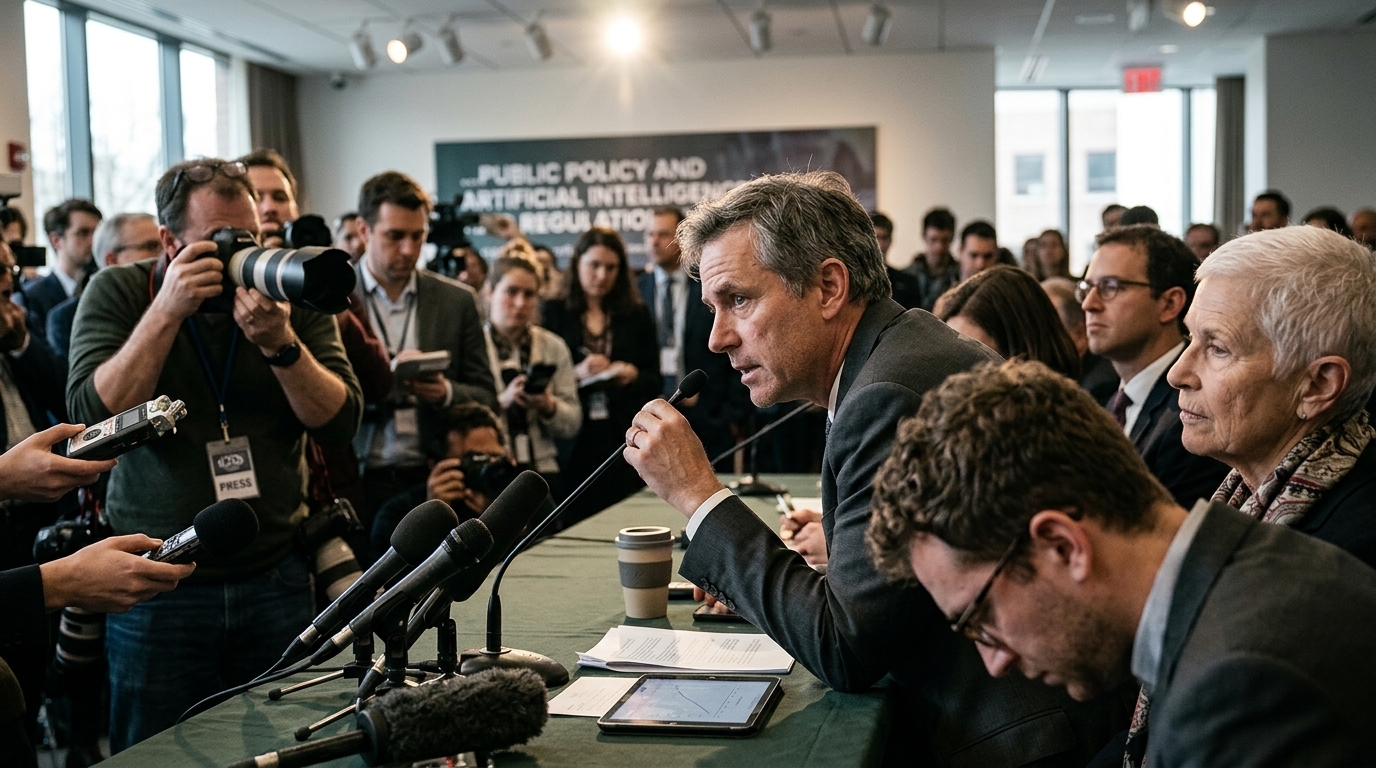
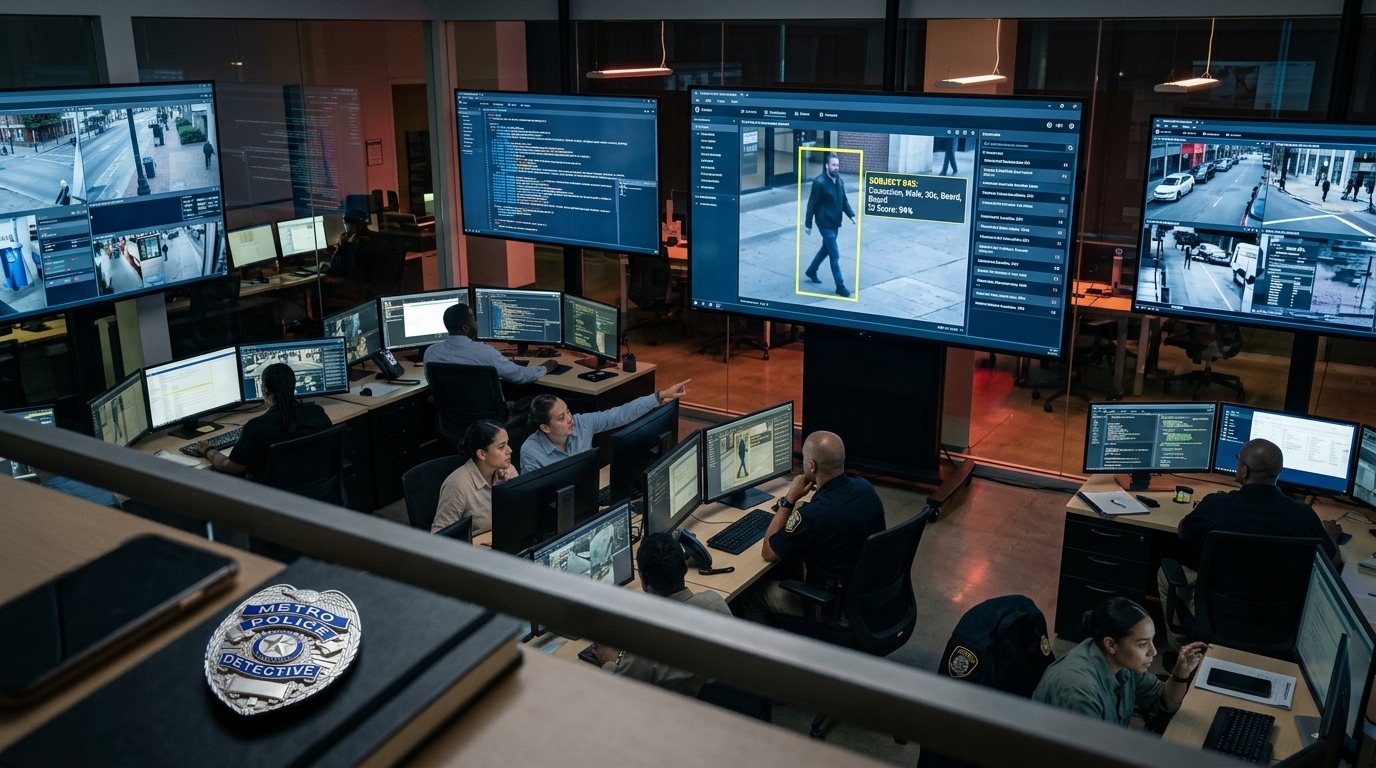
The question arising is not whether AI will destroy us in the manner of science fiction movies, but whether it will render us redundant in our own history. In a world where decisions regarding the economy, justice, and health are made by algorithmic "black boxes," humans risk becoming passive consumers of outputs. The loss of agency is the deepest wound.
- The erosion of authenticity: When content is mass-produced by AI, human expression loses its perceived value.
- The education crisis: Why learn a skill when the machine already possesses it perfectly?
- Psychological alienation: The feeling of being "second-best" on our own planet leads to a new form of existential malaise.
"Artificial Intelligence is not our mirror, but a lens that shows how fragile our idea of superiority has always been."
Toward a New Humanism
Perhaps, however, this wound is necessary. The deconstruction of our narcissism may force us to redefine the human condition not based on productivity or intelligence, but on empathy, ethical responsibility, and the capacity for lived experience. AI can think, but it cannot "feel" the weight of a decision or experience mortality.
The final blow to our pride might be the beginning of humility. Instead of trying to compete with machines in speed and processing, perhaps it is time to return to what makes us truly human: the ability to love, to suffer, and to seek meaning in a universe that owes us no answers. AI is the tool that shows us that man is not God, but a fellow traveler in creation.