In the heart of Arizona, the city of Tempe is embarking on a critical mission that extends far beyond the typical scope of local government: protecting its senior citizens from the dark side of Artificial Intelligence. As algorithms become increasingly adept at mimicking human voice and appearance, older residents find themselves in the crosshairs of a new, terrifyingly convincing generation of scammers. Tempe’s initiative is not just a computer literacy workshop; it is an act of social resistance against the technological weaponization of fraud.
The Anatomy of the Digital Threat
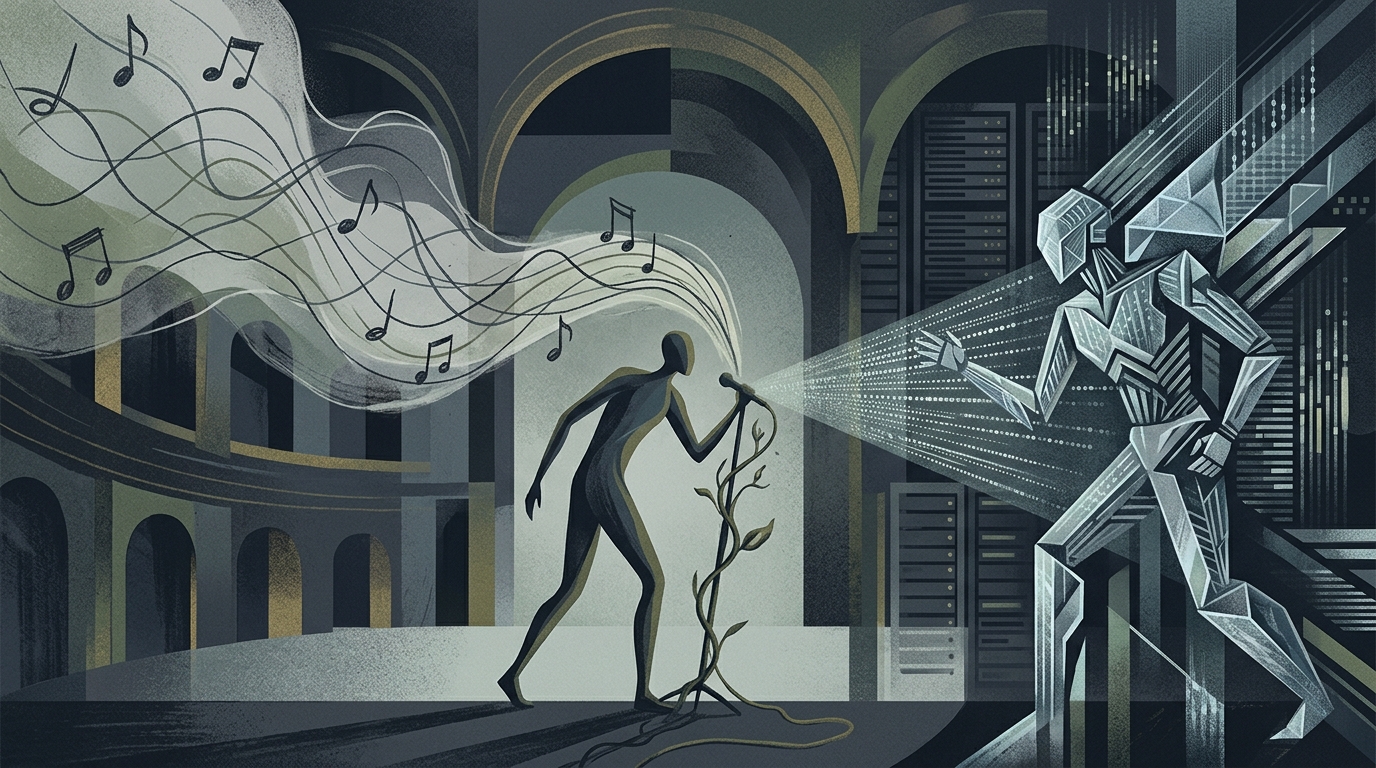
Artificial Intelligence has radically altered the rules of the game in phishing and social engineering. Until recently, phone scams relied on poor actors and generic scripts. Today, using voice cloning tools, a fraudster can use a voice sample as short as three seconds from social media to faithfully reproduce the timbre, tone, and emotion of a loved one. The result is the notorious "grandparent scam" 2.0, where the perpetrator poses as a grandchild in distress, urgently requesting money.
The psychological pressure exerted in these cases is immense. When an elderly person hears their grandchild's voice crying and asking for help after a supposed accident, logic often gives way to the protective instinct. Scammers exploit exactly this gap between technological advancement and human trust. The speed at which these tools have become accessible to the average criminal is unprecedented, leaving traditional law enforcement methods struggling to keep pace.
The Tempe Model: Education and Vigilance
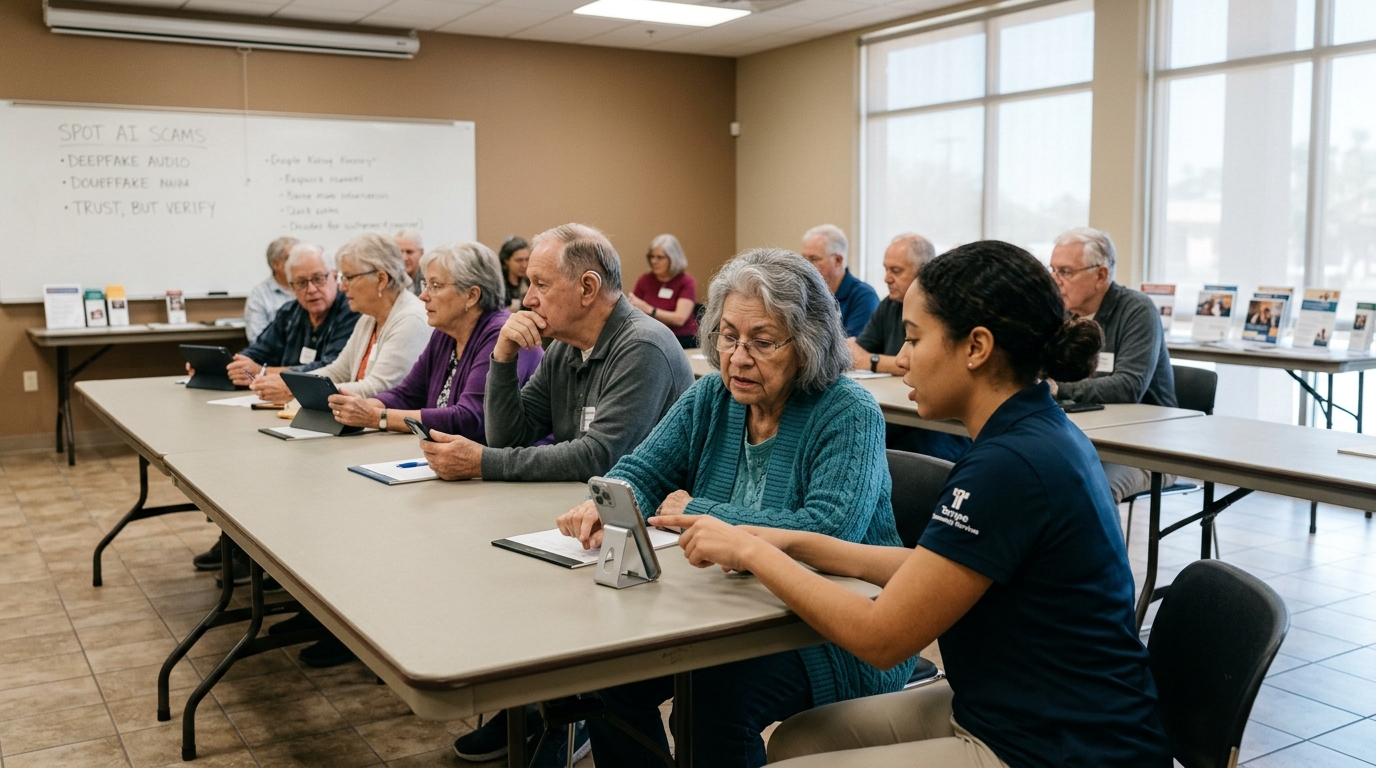
Recognizing the scale of the problem, Tempe authorities are organizing workshops where cybersecurity experts and police officers inform citizens about the capabilities of AI. The program focuses on three main pillars:
- Identifying Deepfakes: Teaching seniors how to spot unusual pauses, metallic sounds, or odd phrasing that might betray a synthetic voice.
- The "Safe Word" Strategy: A simple yet effective method where families agree on a secret word to be used only in real emergency situations.
- Verification via Alternative Channels: The instruction to hang up and call the person allegedly in danger directly, rather than acting under a state of panic.
"Technology is moving at a speed that legislation and social perception are failing to follow. Our only immediate defense is knowledge," a local police official noted during a briefing.
The Ethical Dimension and Corporate Responsibility
The case of Tempe highlights a broader ethical debate. While tech companies promote AI as a tool for progress, the ease of access to voice cloning tools raises serious questions of accountability. Is it ethical to release such tools to the general public without strict safeguards? In the European Union, the AI Act attempts to set some boundaries, but in the US, the landscape remains largely unregulated, leaving the burden of protection on citizens and municipalities themselves.
Furthermore, there is the risk of "double exclusion" for the silver generation. Not only do many seniors struggle to keep up with digital developments, but they are now also being asked to become suspicious of every digital interaction. This can lead to further social isolation, as the fear of fraud may deter them from using helpful communication technologies. The digital divide is no longer just about who can use a smartphone, but who can survive the digital environment safely.
Conclusion: Towards a More Human Technology
Tempe’s initiative serves as a beacon of hope, but also a warning. Protecting vulnerable groups in the age of AI cannot be left solely to the goodwill of certain municipalities. It requires a holistic approach that includes stricter legislation, responsible design by tech companies, and continuous intergenerational education. Technology must serve humanity, not trap it in a state of perpetual fear. As we move forward, the measure of a successful technological era will not be how powerful our algorithms are, but how well we protected those most susceptible to their misuse.