In an era where the digital revolution is redefining every aspect of human endeavor, Hollywood finds itself at the center of a fierce ethical and creative debate. Seth Rogen, the acclaimed actor, writer, and producer, recently took an exceptionally hard stance against the use of Artificial Intelligence (AI) in screenwriting. His remarks, initially reported by TMZ, were not merely a critique but an ultimatum: if you are using AI to write, then perhaps you aren’t a real writer and should seek a different career path altogether.
The Human Experience as a Unique Advantage
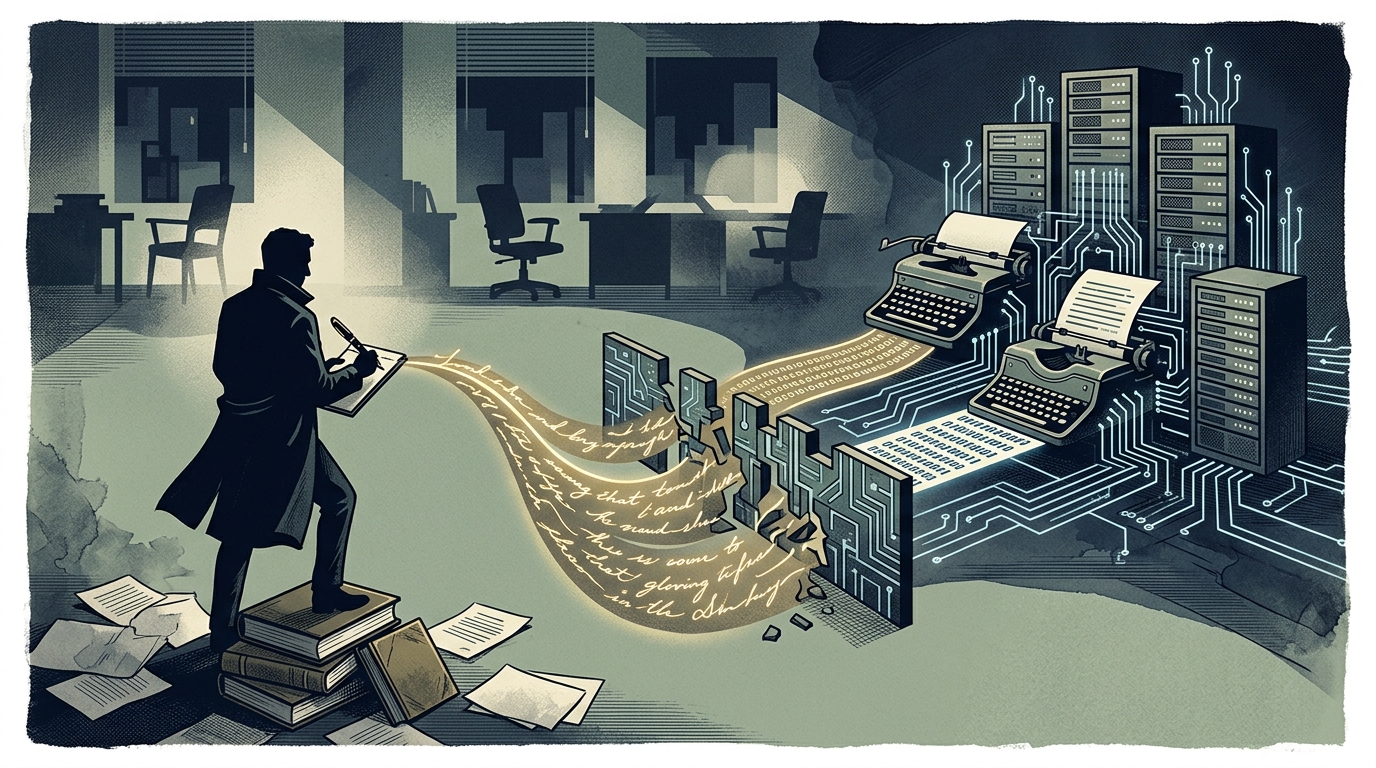
Rogen’s core argument is rooted in the belief that writing is an act of communication between human beings. According to him, the essence of storytelling lies not in syntax or the construction of a standard plot structure, but in the transmission of personal experiences, emotions, and a uniquely human perspective. "Writing is communication," Rogen emphasized. "If you’re not trying to communicate something from your own experience to another human being, then what exactly are you doing?"
This perspective highlights the greatest fear of many creators: the reduction of art to a "product" generated by algorithms. Artificial Intelligence, despite its ability to process vast amounts of data and replicate patterns, lacks the "spark" of originality that stems from lived experience. For Rogen, using AI in the creative process is not an assistive tool, but an admission of the creator's failure to connect with their audience on a fundamental level.
The Shadow of the Strikes and the Industry's Future
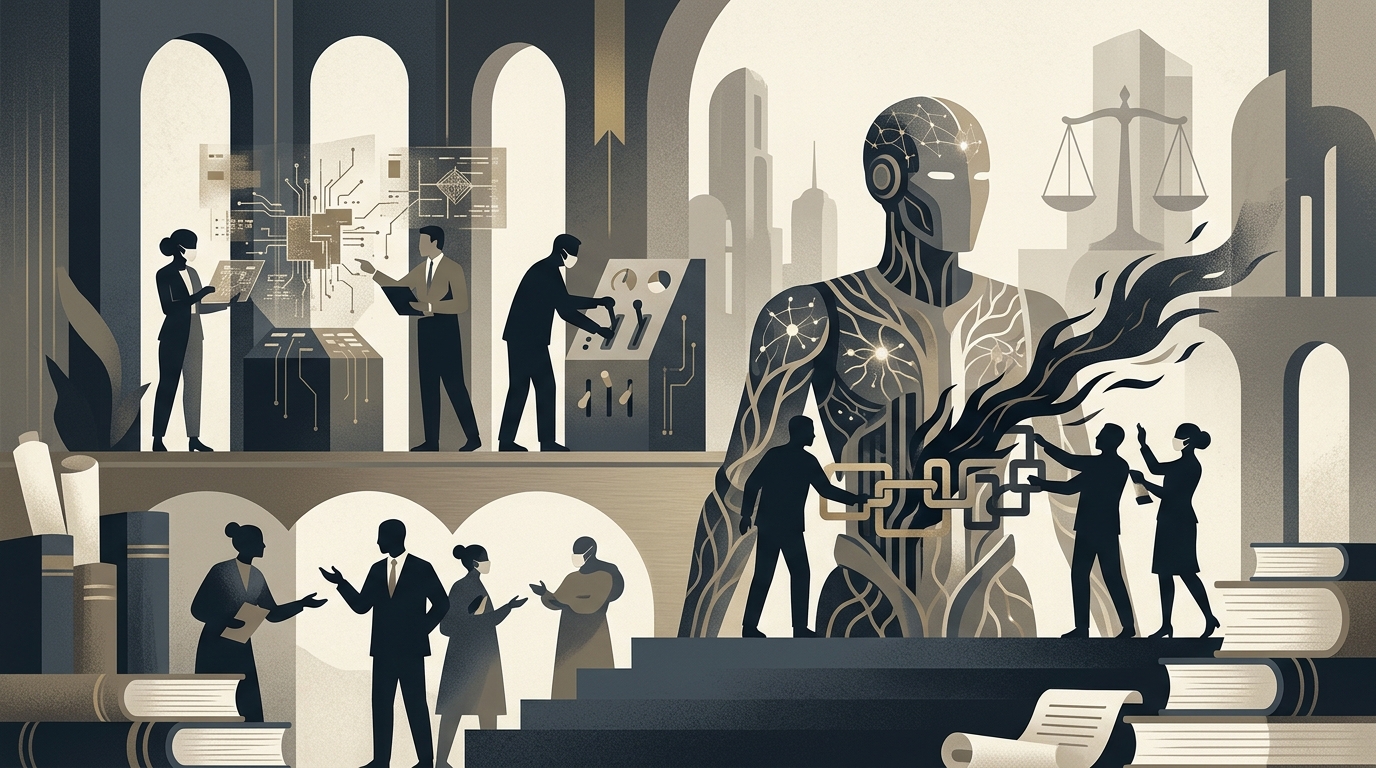
Rogen’s comments come at a time when the wounds from the major 2023 strikes by the Writers Guild of America (WGA) and SAG-AFTRA are still fresh. A central demand of those movements was the protection of jobs from the unchecked use of AI. While significant agreements were reached to limit the use of Large Language Models (LLMs), the technological pressure remains intense.
- Protection of writers' intellectual property from being used to train AI models.
- Ensuring AI is not used to write or rewrite literary material without human supervision.
- Maintaining human credits and authorship in a digital-first environment.
Rogen argues that the industry risks being flooded with "gray" content—stories that are technically proficient but emotionally hollow. The irony, of course, is that many major studios are already looking for ways to cut production costs through automation, creating a head-on collision between financial interests and artistic integrity.
The Trap of Algorithmic Uniformity
One of the strongest arguments against the use of AI in creative writing is the technology's tendency toward the mean. AI models are trained on existing data, meaning they are exceptionally good at replicating the "already known" and the "safe." In an industry already criticized for over-reliance on sequels, prequels, and established franchises, the introduction of AI could signal the end of disruptive creativity.
"If you feed a machine every script ever written, it will give you the most average script possible. And the average script is the worst thing you can watch," notes one industry analyst.
Rogen, having built his career on subversive comedies and idiosyncratic characters, understands that success often lies in the unpredictable and the "mistakes" that make a story human. Artificial Intelligence cannot make mistakes in the way a human does; it can only commit computational errors.
Conclusion: An Ethical Choice
The question Rogen poses is not technical, but deeply ethical and professional. If writers accept AI as their primary creative partner, they relinquish their claim to be artists. The challenge for Hollywood in 2026 and beyond will be finding the balance: how to use technology to enhance production without sacrificing the human soul that makes films and series worth our time. For Seth Rogen, the answer is simple: if you have nothing to say, don't let a machine say it for you.