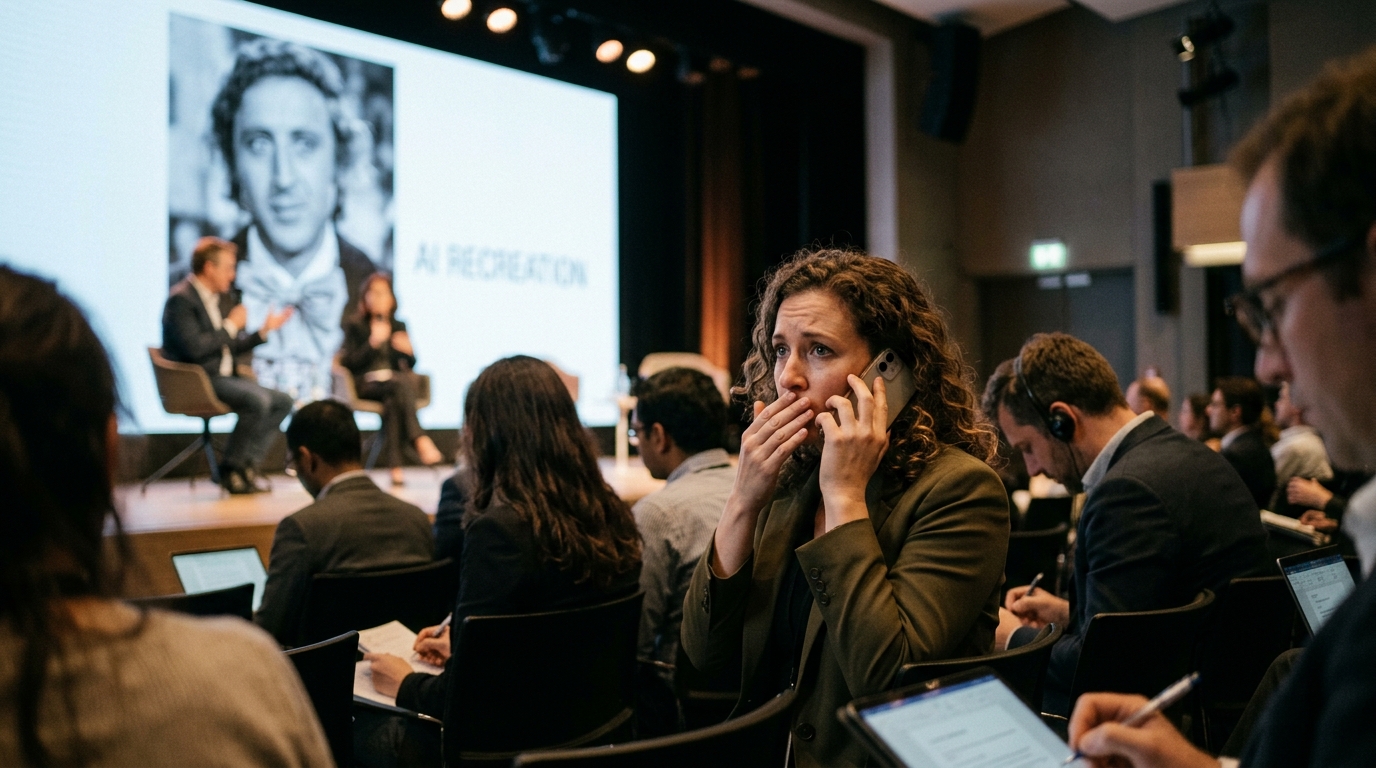
The news that Netflix has opted to use artificial intelligence to "resurrect" the voice of the late Gene Wilder for its new animated series based on the world of Willy Wonka has sparked more than just nostalgia; it has ignited a wave of fury and profound concern. This move, occurring at a time when the entertainment industry is still recalibrating following the historic 2023 strikes by actors and writers, reopens a fundamental question: Where does technological progress end, and where does sacrilege begin?
Gene Wilder, who passed away in 2016, is inextricably linked to the role of the eccentric chocolatier in the 1971 classic. His performance was characterized by a unique blend of tenderness, madness, and unpredictable humor—elements that many argue are impossible to replicate via an algorithm, no matter how sophisticated. Nevertheless, Netflix, having acquired the Roald Dahl Story Company, seems determined to leverage every facet of the intellectual property it owns, even if that means the digital reconstruction of deceased legends.
The Ethics of "Digital Necromancy"
The issue is not merely technical; it is deeply ethical. Using AI to reproduce the voice of an individual who can no longer grant consent constitutes a significant moral gray area. While Netflix claims to have secured permission from Wilder’s estate, the public and fellow performers are questioning whether heirs should have the right to "sell" a person’s identity post-mortem. Zelda Williams, daughter of the late Robin Williams, has been one of the most vocal opponents of this practice, describing it as a "disturbing effort to replace humans with cold replicas."
In the new Netflix series, the AI voice is used to narrate the story and provide guidance to the characters, aiming for a sense of continuity with the original material. However, critics argue this undermines the intrinsic value of live performance. If studios can simply recycle the voices and likenesses of past legends, what incentive remains for nurturing new talent? Furthermore, there is the risk of distorting an artist’s legacy, as AI could be programmed to say things Wilder might never have endorsed during his lifetime.
Legal Frameworks and Industry Blowback
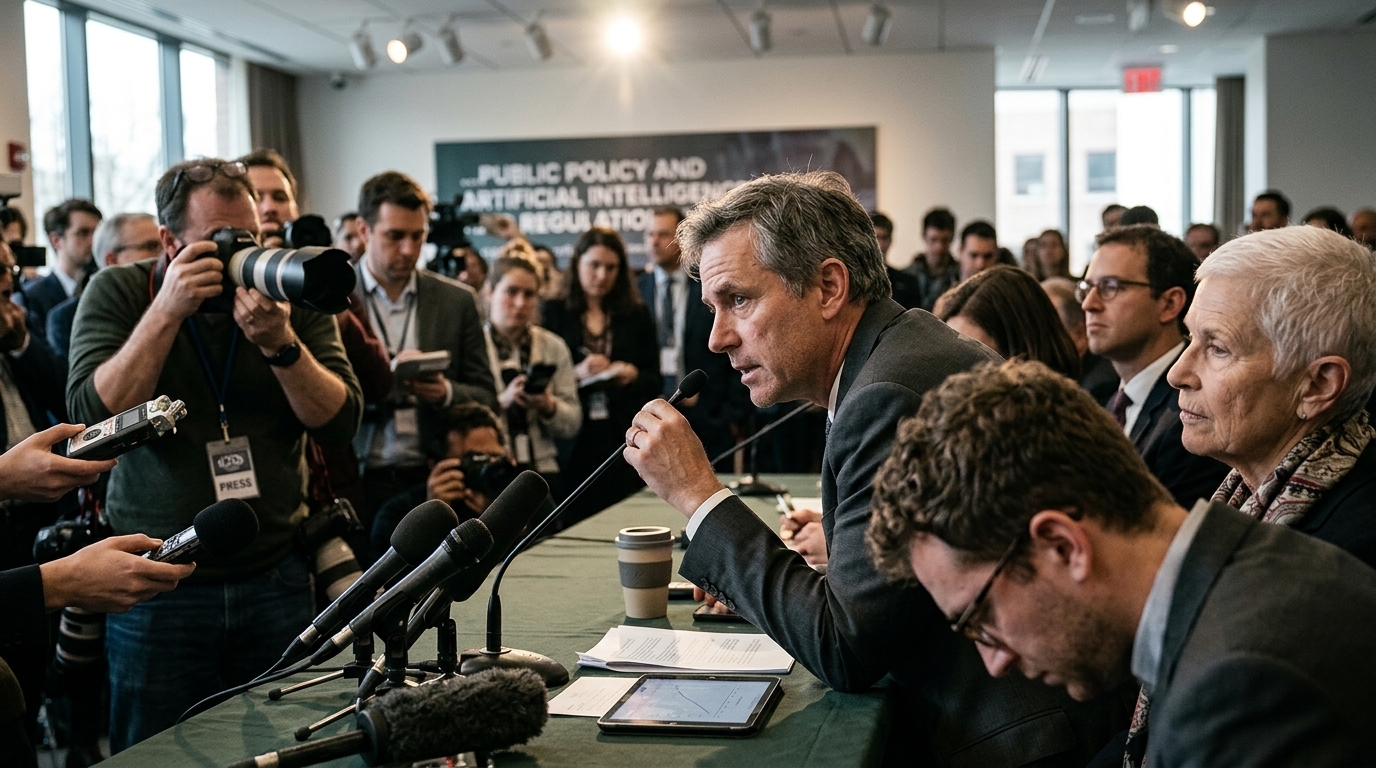
This case highlights the urgent need for robust legislation. In the United States, the "NO FAKES Act" aims to protect the likeness and voice of individuals from unauthorized digital replications. However, when estate consent is involved, the situation becomes legally convoluted. SAG-AFTRA (the actors' union) has expressed grave concern, emphasizing that human creativity should not be treated as a mere database for training machine learning models.
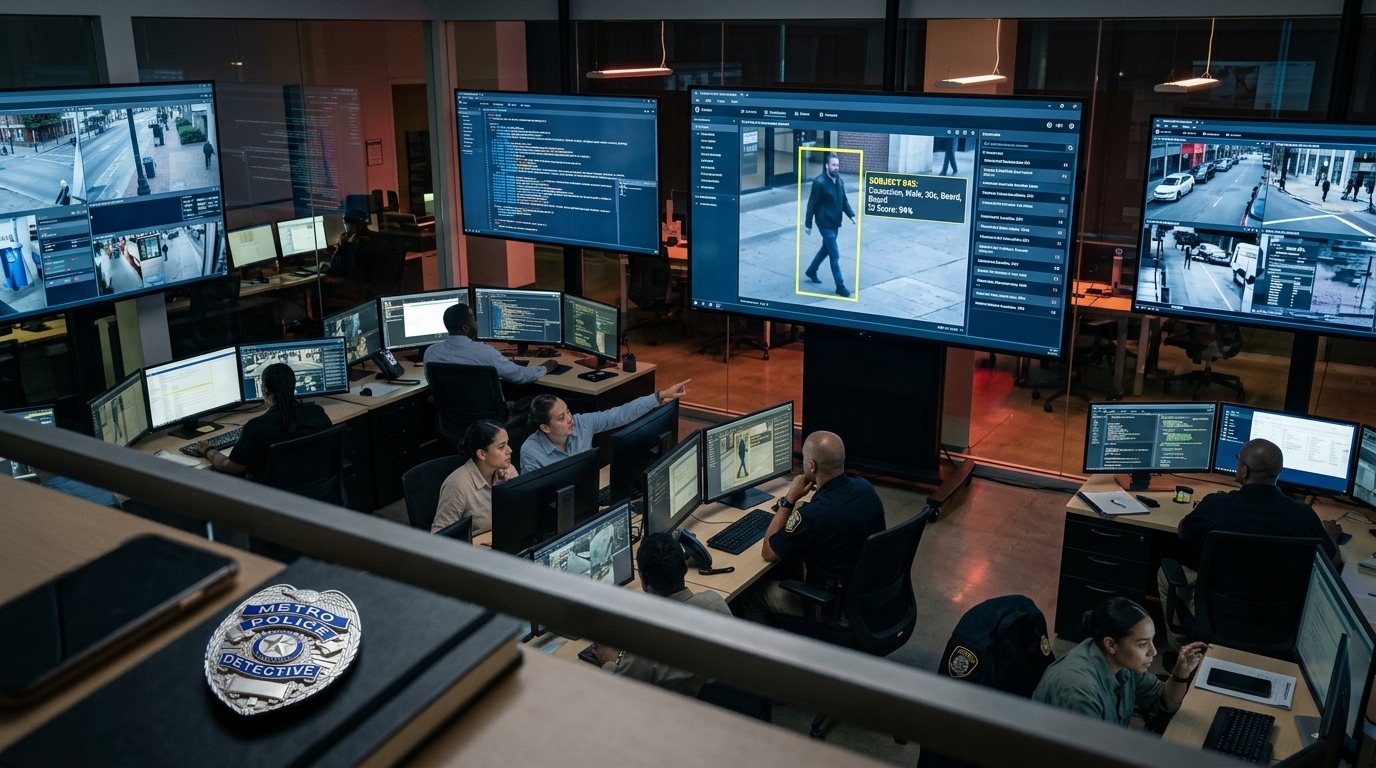
- RVC (Retrieval-based Voice Conversion) technology now allows for voice cloning with startling accuracy.
- Fans on social media have labeled the move as "ghoulish" and a "disrespectful cash grab."
- Netflix maintains that the AI was utilized with "respect and artistic care" to honor the actor’s memory.
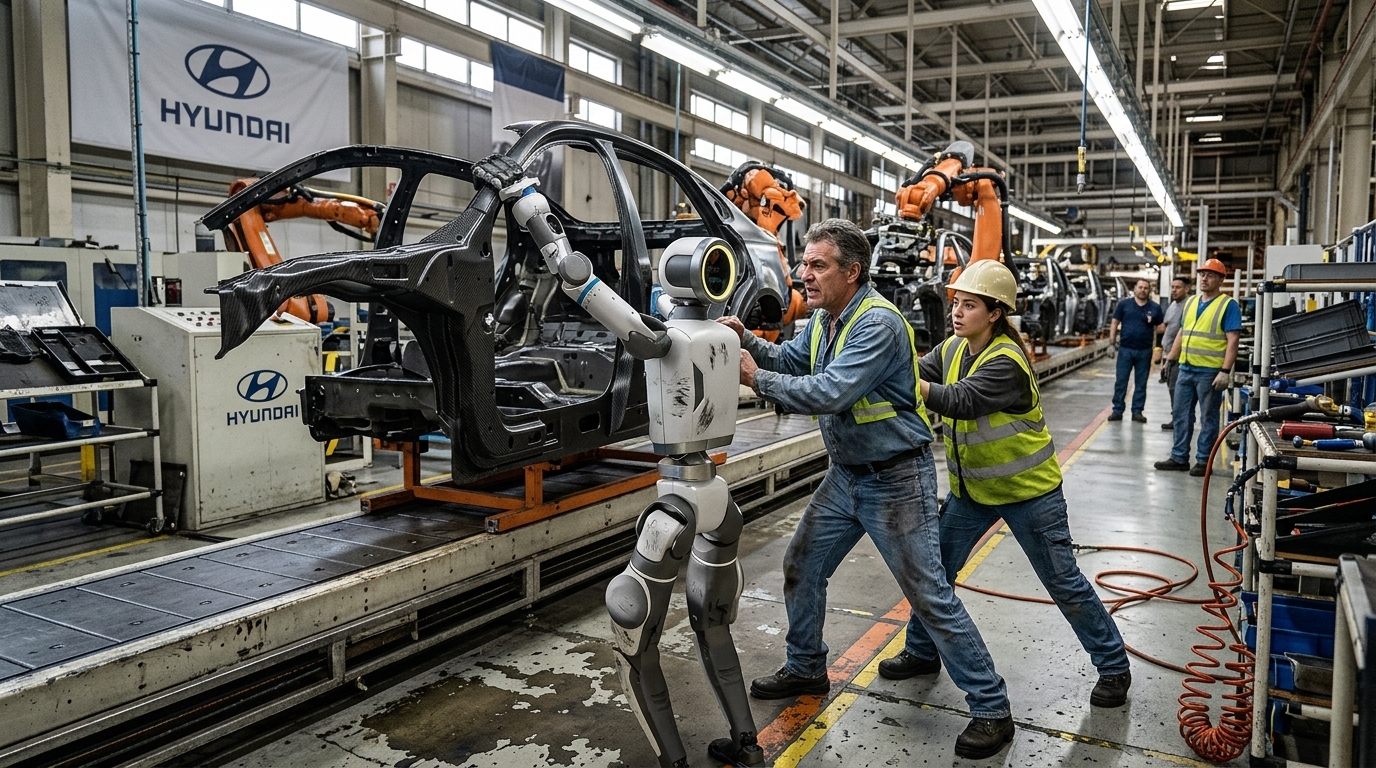
The economic dimension is equally pivotal. AI significantly reduces production costs, eliminating the need for extensive recording sessions with a voice actor or the high fees a top-tier impressionist would command to emulate Wilder. For a corporation like Netflix, under constant pressure from shareholders for profitability, AI appears as the ultimate resource optimization tool.
The Future of Entertainment
As we move through 2026, the Gene Wilder case will serve as a definitive precedent. If the public accepts this series, it is certain we will see more "digital ghosts" returning to our screens. Marilyn Monroe, James Dean, and Audrey Hepburn are already candidates for similar AI-driven projects. The question remains: Do we want an art form that is a perpetual loop of the past, or one that dares to create something new, even if it is imperfect?
"There is a thin line between a tribute and exploitation. When you strip the human breath from a voice, you strip the very essence of acting." - Anonymous Director via Euronews.
In conclusion, the controversy surrounding Netflix’s Wonka is a battle for the soul of creativity. It serves as a reminder that technology, however impressive, cannot replace the authenticity of the human experience. Gene Wilder’s legacy deserves more than a digital echo.