In the high-stakes world of Big Tech, where data is the new oil and reputation is the most fragile currency, Meta (formerly Facebook) finds itself once again in the crosshairs of global scrutiny. This time, however, the controversy stems not from algorithmic bias or privacy breaches, but from a relentless and personal legal crusade against a former high-ranking executive, Sarah Wynn-Williams. The author of the explosive memoir "Careless People," Wynn-Williams is being pursued by the tech giant for allegedly violating a non-disparagement agreement (NDA). Yet, Meta’s aggressive tactics appear to be backfiring, cementing its image as a corporate bully that would rather crush its critics than confront their truths.
The Anatomy of a Conflict: From Insider to Dissident
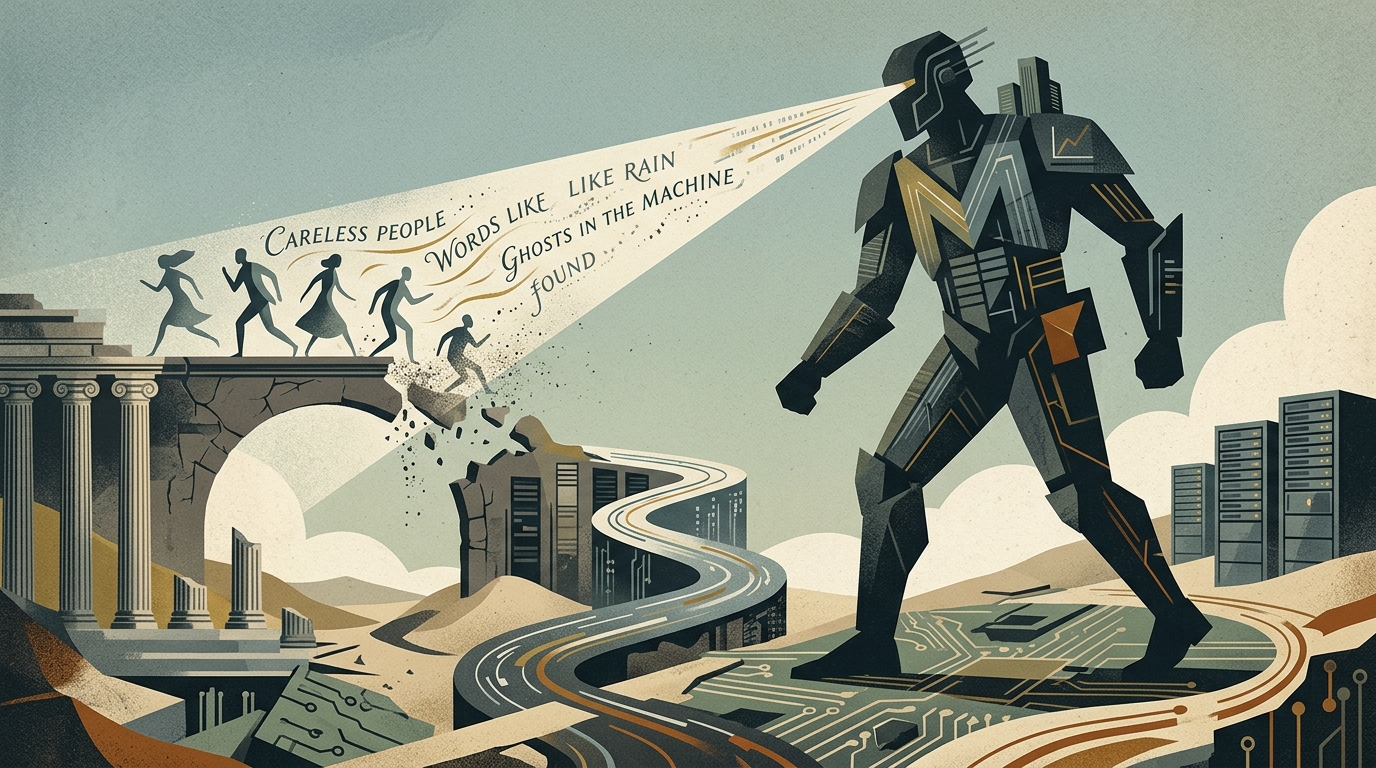
Sarah Wynn-Williams was no ordinary employee. As Meta’s Director of Global Public Policy, she occupied a front-row seat to the decision-making processes that shaped global discourse and impacted democracies. Her book, whose title alludes to the "careless people" of The Great Gatsby—Tom and Daisy Buchanan, who smashed things up and retreated back into their money—serves as a searing indictment of the company’s moral vacuum. Wynn-Williams describes a culture where growth consistently trumped safety and where accountability was a concept to be managed, not embraced.
Meta’s response has been characterized by overwhelming legal force. Citing the confidentiality clauses Wynn-Williams signed upon her departure, the company is seeking not only to halt the book’s distribution but also to claw back the severance payments she received. This "scorched earth" policy raises profound questions about the right to free speech and the weaponization of NDAs to silence narratives that are clearly in the public interest.
The Streisand Effect and Reputational Suicide
If Meta’s objective was to mitigate reputational damage, the outcome has been the exact opposite. In communications theory, this is known as the "Streisand Effect": the attempt to hide or censor information only results in its wider dissemination. The persistent pursuit of Wynn-Williams has transformed a niche corporate memoir into a symbol of resistance against Big Tech’s perceived tyranny.
- The legal pressure confirms to readers that the author’s claims are dangerous enough to cause panic within Meta’s leadership.
- The massive power imbalance—a trillion-dollar corporation versus a single individual—automatically generates public sympathy for the author.
- While such tactics may deter future whistleblowers, they simultaneously erode trust among users, employees, and regulators.
Meta argues that it is simply protecting its trade secrets and the sanctity of its contracts. However, when a contract is used to shroud systemic failures that affect society at large, legal validity clashes with moral legitimacy. The Wynn-Williams case highlights the urgent need for robust legislation to protect whistleblowers, ensuring that NDAs cannot be used as a shield for unethical or harmful corporate behavior.
The Legacy of Silence and the Future of Accountability
This case is about more than just Meta; it is about the broader ecosystem of Silicon Valley, where an "omertà" is enforced through golden parachutes and threatening legal letters. If Meta succeeds in financially and psychologically exhausting Wynn-Williams, it sends a chilling message that the truth carries a price tag few can afford. Conversely, if Wynn-Williams is vindicated in the court of public opinion, Meta will have suffered a defeat that no balance sheet can rectify.
"Tech companies have become the new sovereign states, but without the democratic checks and balances. Attempting to control the narrative through fear is evidence of their fragility, not their strength," notes a prominent tech ethics analyst.
Ultimately, the pursuit of the 'Careless People' author reveals a company struggling with its own reflection. As long as Meta refuses to accept criticism and opts for litigation over transformation, it will continue to validate the very title of the book: that it is run by people who, in the recklessness of their power, have forgotten the responsibility they owe to the world they helped create.