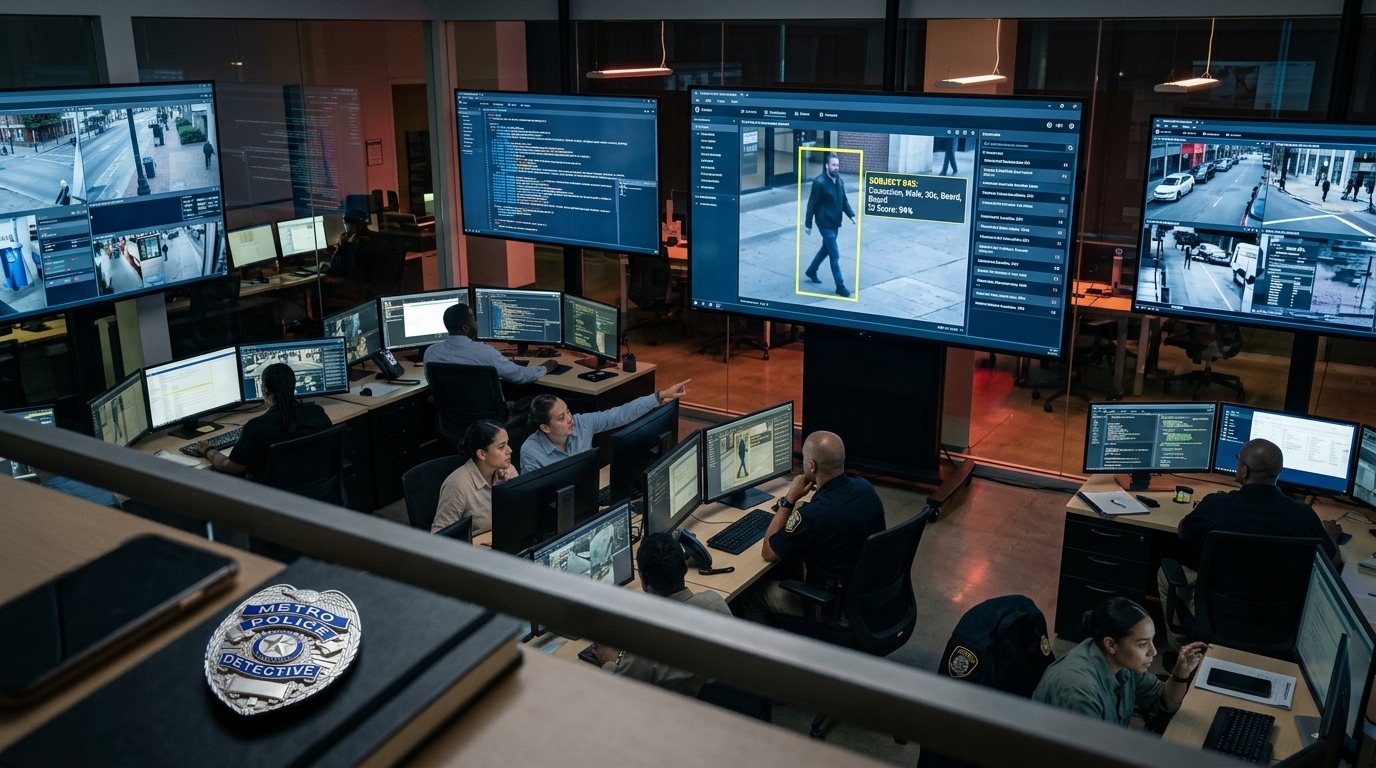
In the dawning era of generative artificial intelligence, the old adage "if the product is free, you are the product" is taking on a new, almost haunting dimension. Meta, the titan behind Facebook and Instagram, recently confirmed that it is utilizing public user posts—including photos and captions—to train its sophisticated AI models. This move is not merely a technical update; it represents a fundamental shift in how social media platforms treat personal expression and intellectual property.
The Machine that Feeds on Memories
Meta's new AI image generator, which is being integrated into WhatsApp, Messenger, and Instagram, does not create images from a vacuum. It is trained on the vast ocean of visual content uploaded by users over more than a decade. Every vacation photo, every artistic portrait, and every snapshot of a meal has become a "pixel" in the company's massive neural network. The core issue lies in the fact that most users never gave explicit consent for this specific use of their personal data.
Meta argues that this usage is covered under the terms of service that we all accept (and rarely read). However, the ethical dimension is starkly different: transforming personal memories into a commercial tool for AI content production alters the very nature of social networking. From a space of communication, Instagram is evolving into a vast data mine where users act as anonymous laborers fueling Silicon Valley's profitability.
The Regulatory Divide: Europe vs. The World
The response to this practice varies significantly based on a user's geographic location. In the European Union, thanks to the General Data Protection Regulation (GDPR), Meta was forced to pause its plans to use European citizens' data following pressure from regulatory bodies. European users possess a legal "Right to Object," which is far more robust than the standard privacy settings available in the United States or other regions.
For users outside the EU, the situation is more convoluted. Meta does not offer a simple "on/off" toggle. Instead, users must navigate labyrinthine settings menus or submit specific forms—a tactic known by user experience (UX) experts as "dark patterns." These are design choices intended to discourage users from exercising their rights by making the process intentionally frustrating.
The Art of Refusal: How to Opt Out
If you wish to protect your content from AI training, there are specific steps you can take, though their efficacy depends on your jurisdiction:
- Private Accounts: Meta has stated that it does not use content from accounts set to "Private." This is the most immediate and effective safeguard for individual privacy.
- Privacy Center: Within Facebook or Instagram settings, look for the "AI at Meta" section. Depending on your region, you may find an objection form there.
- Content Deletion: While extreme, removing public photos is the only way to ensure they aren't used in future model iterations.
It is crucial to understand that AI does not "see" photos as humans do; it deconstructs them into mathematical patterns. Even if you opt out today, models already trained on your data cannot easily "unlearn" what they have acquired. This highlights the urgent need for proactive legislation rather than reactive measures.
The Future of Digital Ownership
Meta's move is just the tip of the iceberg. As the race for AI supremacy intensifies, the hunger for high-quality data will only grow. The question we face is no longer just technical, but deeply political and social: Who owns our digital existence? If our photos are used to build tools that might eventually replace creators themselves, we are witnessing a paradoxical form of digital cannibalism.
Transparency must become the standard, not the exception. Users deserve to know when their personal moments become fuel for algorithms and must have the choice to say "no" without needing to be legal experts. The battle over Instagram's data is, in reality, a battle for our autonomy in the digital 21st century.