Madonna, an artist whose name is synonymous with constant reinvention and provocation, seems to have found an adversary she is unwilling to embrace: Artificial Intelligence. In recent statements, widely reported by international outlets and Fortune Greece, the "Queen of Pop" expressed her deep concern over the direction of modern creation. For her, AI is not merely a tool but an existential threat to the very essence of artistic expression.
AI as the "Antithesis of Art"
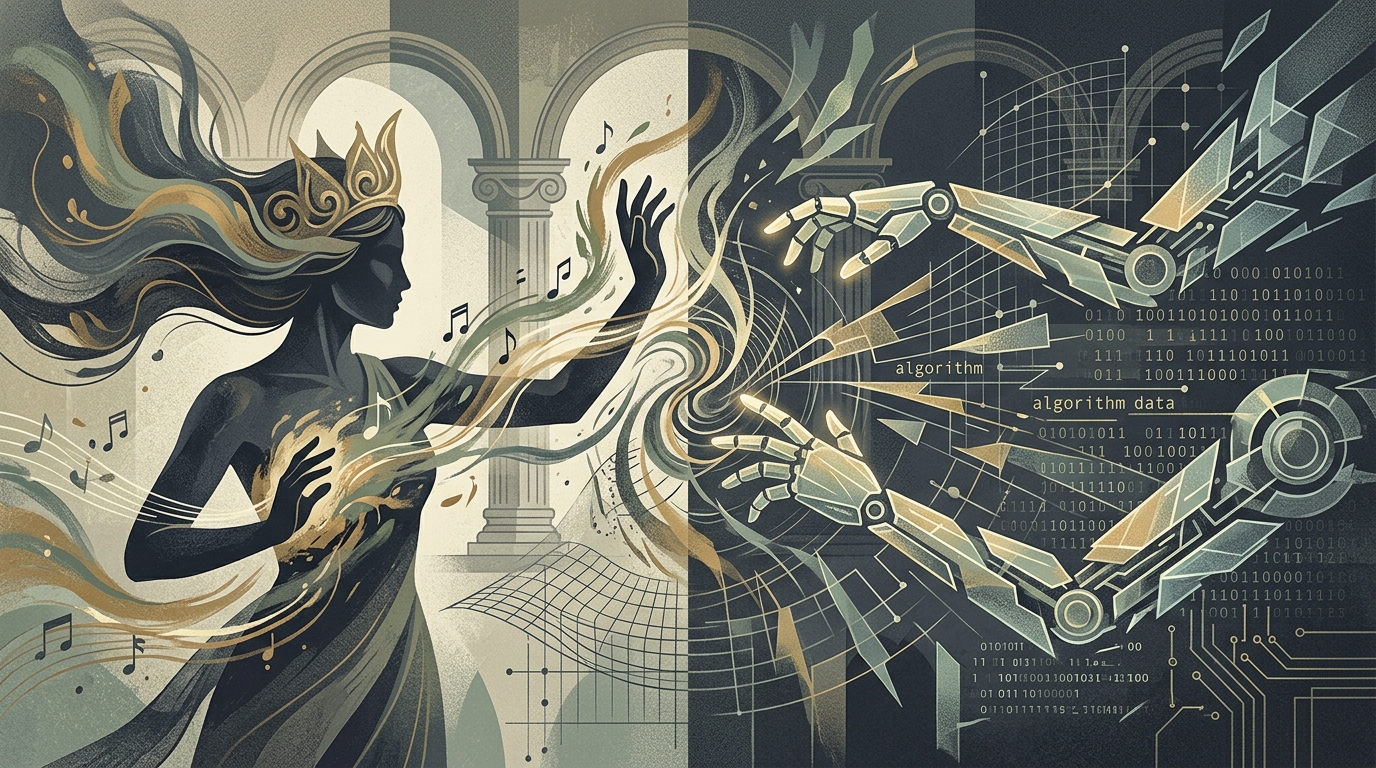
At the heart of Madonna's critique is the belief that art is a profoundly human process, inextricably linked to experience, pain, joy, and vulnerability. "Algorithms have no soul," she asserts, emphasizing that content production via AI lacks the "human error" that often serves as the birthplace of genius. Madonna argues that AI operates based on repetition and the recycling of existing patterns, which stands in stark contrast to the subversive nature of true art.
Her concern is not isolated. Many creators worldwide view AI as a machine that "devours" human labor to produce a homogenized product. Having built a four-decade career on authenticity and personal investment, Madonna believes that the automation of creativity will lead to a world of "plastic" aesthetics, where surprise and risk are absent.
Commodification and the Danger of Homogenization
Another significant aspect of her critique concerns how streaming platform algorithms and social networks already dictate artistic trends. AI is set to accelerate this process, creating works designed to "please" based on statistical data rather than to challenge or move the viewer. This "dictatorship of the average" is, according to Madonna, the death of the avant-garde.
- The loss of artistic ownership and the use of works without permission to train AI models.
- The devaluation of live performance and physical presence in art.
- The risk of replacing emerging artists with cheap, algorithmic alternatives.
- The erosion of the public's critical thinking as they grow accustomed to ready-made, predictable patterns.
Madonna points out that art must be a mirror of society, often uncomfortable and harsh. AI, conversely, tends to smooth out the edges, offering an experience that is digestible but void of content. "If you remove humanity from art, what is left?" she asks, posing the question that now preoccupies philosophers and technologists alike.
Ethical Dilemmas and the Future of the Industry
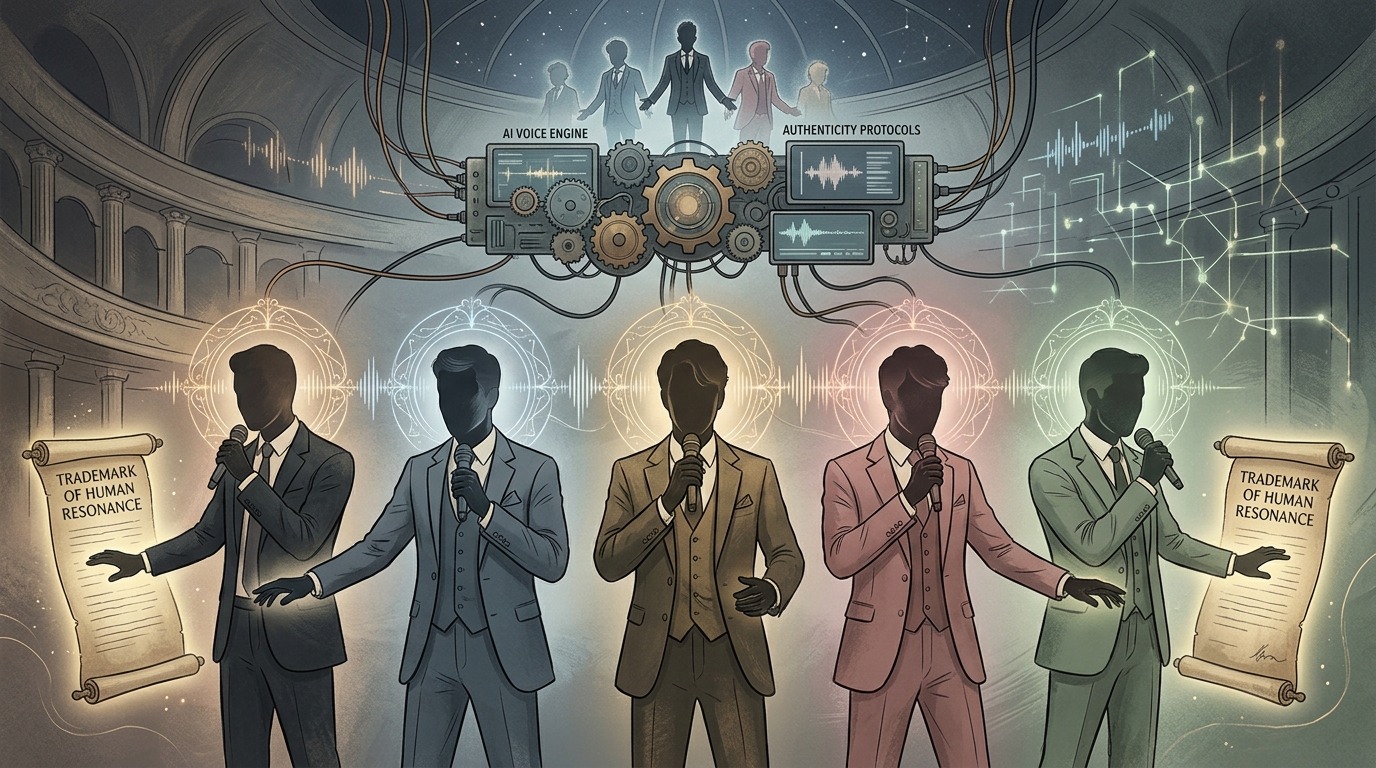
Beyond the aesthetic realm, there are ethical and legal issues at stake. The use of artists' voices or likenesses through deepfakes has already sent shockwaves through the music industry. Madonna, who has always fiercely protected her brand and image, sees AI as a tool for identity theft. The ability of a machine to produce a "new" Madonna song, using her voice without her involvement, is no longer science fiction but a reality threatening intellectual property rights.
"Art is an act of revolution. Artificial Intelligence is an act of conformity," the artist states, highlighting the chasm between human impulse and computational code.
In conclusion, Madonna's intervention comes at a pivotal moment. As technology integrates deeper into our daily lives, the debate over the boundaries between tool and creator becomes urgent. Madonna is not calling for a return to the past but for the protection of the element that makes art irreplaceable: the human soul. This battle concerns not just superstars, but every human being who believes that creativity is the ultimate expression of our freedom.