In an era where technological advancement moves at a pace that often outstrips our capacity for ethical reflection, one of the most iconic figures in modern culture, Madonna, has decided to draw a red line. An artist who built a four-decade career on subversion, provocation, and the adoption of every new trend, she now emerges as the most staunch opponent of Artificial Intelligence (AI) in the creative process. In recent statements highlighted by Variety Australia, Madonna characterized AI as the "opposite of making art," sparking a global debate on the essence of creativity in the 21st century.
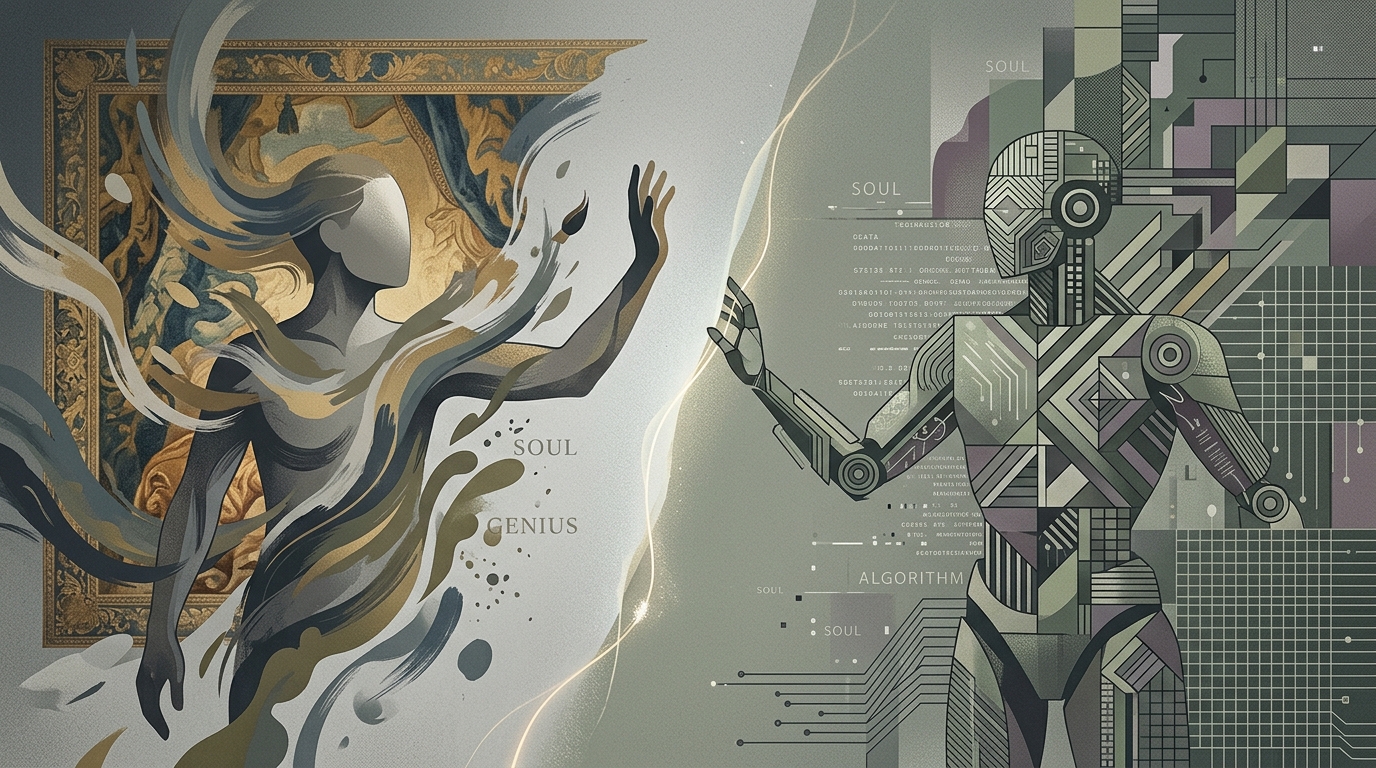
The Soul vs. The Algorithm
For Madonna, art is not a final product that can be optimized through computational power, but a process deeply rooted in human experience, pain, joy, and, most importantly, intention. Her critique focuses on the idea that AI, no matter how sophisticated, lacks the "ghost in the machine." Generating a song or a visual work via a prompt is considered by her to be an empty gesture that bypasses the labor and spiritual searching required for authentic expression.
This position is not merely a conservative reaction to change. Instead, it reflects a broader concern within the artistic world regarding the depersonalization of creation. When an AI model creates something, it does so by reassembling billions of data points produced by humans. "Art is the proof of our existence, our mistakes, and our uniqueness," Madonna seems to argue. Removing the human factor turns art into "content," a word that she and many other creators of her generation loathe.
The Ethics of Theft and Cultural Homogenization
Beyond the philosophical aspect, Madonna's intervention touches upon the burning issue of intellectual property. Generative AI models are trained on the works of artists without their permission and without compensation. This creates a paradox: the technology that promises to "democratize" art is actually feeding on the labor of those it seeks to replace. Madonna, having been a victim of leaks and piracy throughout her career, perceives AI as the ultimate form of appropriation.
Furthermore, there is the risk of cultural stagnation. AI operates based on probabilities and existing patterns. If the entertainment industry relies solely on algorithms to produce "hits," the result will be an endless recycling of the past. Art that shocks, that changes social norms, and that causes discomfort—elements that characterized Madonna's work—cannot emerge from an algorithm programmed to satisfy the average of public preferences.
The Challenge for the New Generation
Despite the backlash, the use of AI in music and cinema is growing rapidly. From using AI to "resurrect" John Lennon's voice in the last Beatles song to deepfake music videos, the technology is already here. Madonna, however, calls on young artists to resist the ease of use. She argues that the "perfect" image or the "perfect" sound produced by AI is actually uninteresting because it lacks the grit of real life.
In conclusion, Madonna's stance serves as a reminder that technology must remain a tool and not a substitute. The battle for the definition of art in the age of artificial intelligence has only just begun, and voices like Madonna's are essential to maintain the balance between innovation and human dignity. Art, ultimately, is an act of resistance against oblivion and mechanization, and Madonna declares herself ready to continue that resistance.